Clarity Bill Faces Senate Hurdles Amidst Political Shifts
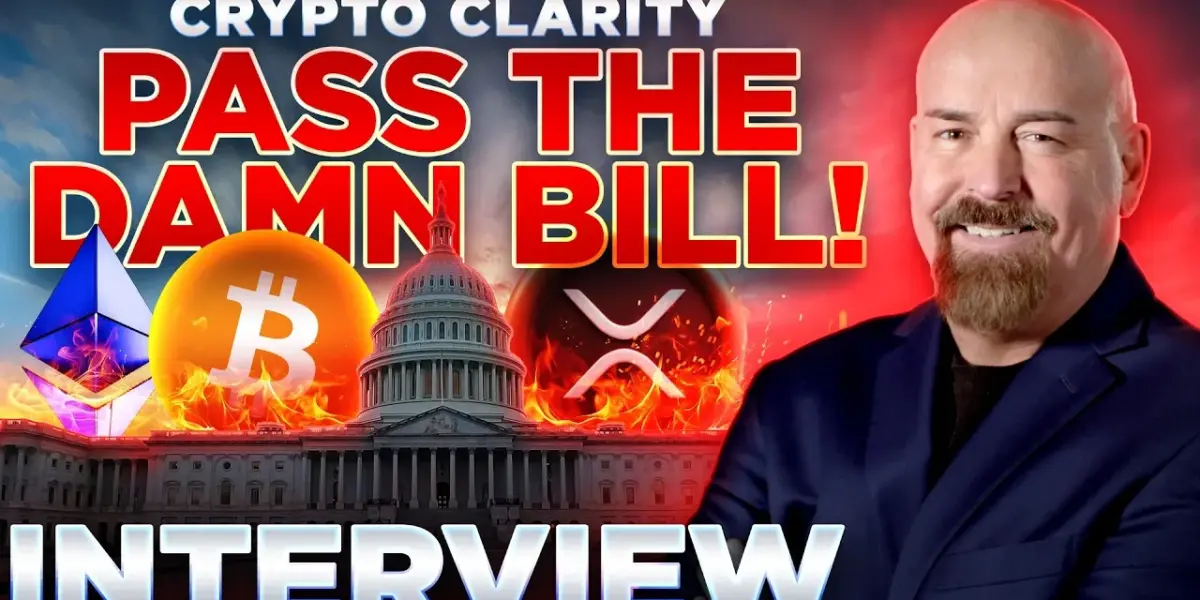
The Clarity Bill, crucial for crypto regulation, faces an uncertain future as the U.S. Senate navigates political shifts and upcoming mid-term elections. Candidate John Deaton discusses the legislative hurdles and the potential impact of election outcomes on the bill's passage. Concerns about 'regulation by enforcement' and the need for legislative certainty remain paramount for the industry.

Clarity Bill Faces Senate Hurdles Amidst Political Shifts
The path forward for the Clarity Bill, a key piece of legislation aimed at providing regulatory certainty for the cryptocurrency industry, is facing increasing uncertainty. Senator John Deaton, a candidate for U.S. Senate and a vocal advocate for crypto, discussed the bill’s prospects and the broader political climate influencing its potential passage. The bill’s markup, a crucial step in the legislative process, is hoped to occur before or shortly after the Easter break, with a goal of presenting a finalized product from the Senate Banking Committee by the end of April. However, Deaton expressed concerns that delays could significantly hinder the bill’s chances of becoming law.
Timing is Everything for Clarity Bill
Senator Deaton highlighted that the deeper the bill gets into the year, the more challenging it becomes to secure its passage. He urged his Democrat colleagues to finalize their input to allow for progress. The interview touched upon the potential impact of global events, such as the situation in Iran, on the legislative agenda. While international conflicts can divert attention and resources, Deaton suggested that a swift resolution to the conflict could refocus attention back to the Clarity Bill. However, he cautioned that as the mid-term elections approach and the summer months draw nearer, the political landscape becomes consumed by campaigning, making it less likely for significant legislation like the Clarity Bill to advance.
Political Landscape and Senate Races
The discussion also delved into the upcoming mid-term elections and their potential impact on the Senate. Deaton, who is running for the U.S. Senate in Massachusetts, emphasized the importance of his race, noting that it could be pivotal in determining the balance of power. He pointed out that if Republicans were to lose control of both the House and the Senate in the mid-terms, it could lead to a drastically different approach to cryptocurrency regulation, potentially with Senator Elizabeth Warren chairing the Senate Banking Committee. This scenario, Deaton suggested, would likely mean slim to no chances for the Clarity Bill to pass.
Regulation by Enforcement vs. Clear Rules
A significant concern raised was the risk of a ‘Gensler 2.0’ scenario, where regulatory bodies resort to ‘regulation by enforcement’ rather than clear legislative guidance. Deaton argued that this approach, exemplified by current SEC actions, could stifle innovation and drive businesses offshore. He expressed a preference for legislative clarity, even if it means compromise, stating, “we can’t let perfection get in the way of the good.” He acknowledged criticisms regarding passive yield on stablecoins, particularly for smaller projects, but reiterated that avoiding a harsh regulatory environment is paramount for the industry’s survival.
Key Issues and Candidate Stance
During a rapid-fire Q&A session, Deaton clarified his positions on several key issues. He stated he has no regrets about supporting the “Genius Act,” which he deemed necessary. He agreed that banning passive stablecoin yields could be seen as a form of bank bailout. Deaton expressed confidence in his ability to educate older politicians about digital wallets and stablecoins, attributing a lack of understanding partly to generational differences. He vowed to publicly call out any Republican on the banking committee siding with banks on the Clarity Bill. When asked to choose between DeFi advocates or the positions of Ripple and Coinbase on Clarity, Deaton opted for a nuanced approach, stating he would vote for the bill but would also file amendments to define functional decentralization and other critical aspects.
Broader Economic and Geopolitical Concerns
Beyond crypto regulation, the conversation touched upon other pressing issues. Deaton identified healthcare costs, housing, and energy prices as the top concerns for voters. He also expressed a strong stance against sending further funds to Israel for war efforts until full transparency is achieved. Regarding immigration, Deaton argued for common-sense policies and cooperation between federal and local authorities, rather than defunding agencies like ICE.
Future Outlook for Crypto and Politics
The interview concluded with predictions about the market’s reaction to the mid-term election outcomes. Deaton suggested that if gridlock occurs in Congress, the market might rally, as it often moves in opposition to expectations. The overarching sentiment from the discussion is that the passage of the Clarity Bill is heavily dependent on the political outcomes of the upcoming elections and the ability of lawmakers to prioritize regulatory certainty amidst a complex geopolitical and economic environment. Deaton’s Senate run is framed as a potential opportunity to bring a crypto-informed voice to Congress, crucial for educating policymakers and shaping the future of digital assets.
Source: CLARITY Countdown!🚨John Deaton INTERVIEW🔥 (YouTube)

Related Articles


Crypto Czar Resigns Amid CLARITY Bill Uncertainty
David Sacks, the U.S. "Crypto Czar," has resigned just before the CLARITY Bill's vote, creating uncertainty in the crypto market. The move raises questions about the future of digital asset regulation and investor confidence. Market volatility is expected as the industry awaits clarity on new rules.


Ripple CEO Slams Biden’s Crypto ‘War,’ Sees Industry Clarity Ahead
Ripple CEO Brad Garlinghouse criticizes the Biden administration's 'war on crypto' and expresses optimism for regulatory clarity. The company has seen significant business growth through strategic acquisitions, with corporate clients increasingly adopting digital asset solutions.
Senate Rejects Voter ID Bill: A Deep Dive into the Divide
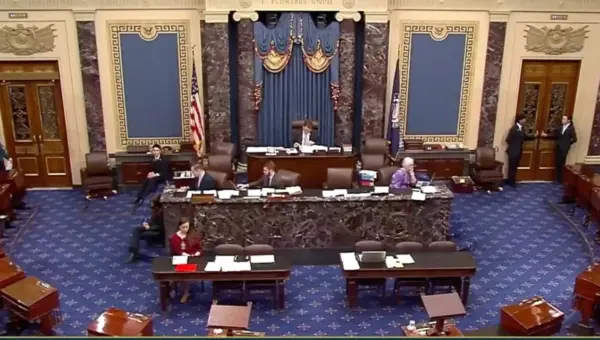
The U.S. Senate recently voted down a proposed amendment requiring photo ID to vote, splitting strictly along party lines. Republicans argued for election security, while Democrats raised concerns about voter suppression. This failure highlights deep divisions on election laws.