NASA’s Artemis II: Fighter Pilot Explains Lunar Mission
NASA's Artemis II mission, the first crewed lunar flight in over 50 years, has launched. A fighter pilot's analysis breaks down the powerful SLS rocket liftoff and the Orion spacecraft's journey. The mission aims to send four astronauts deeper into space than ever before, testing systems for future lunar landings.

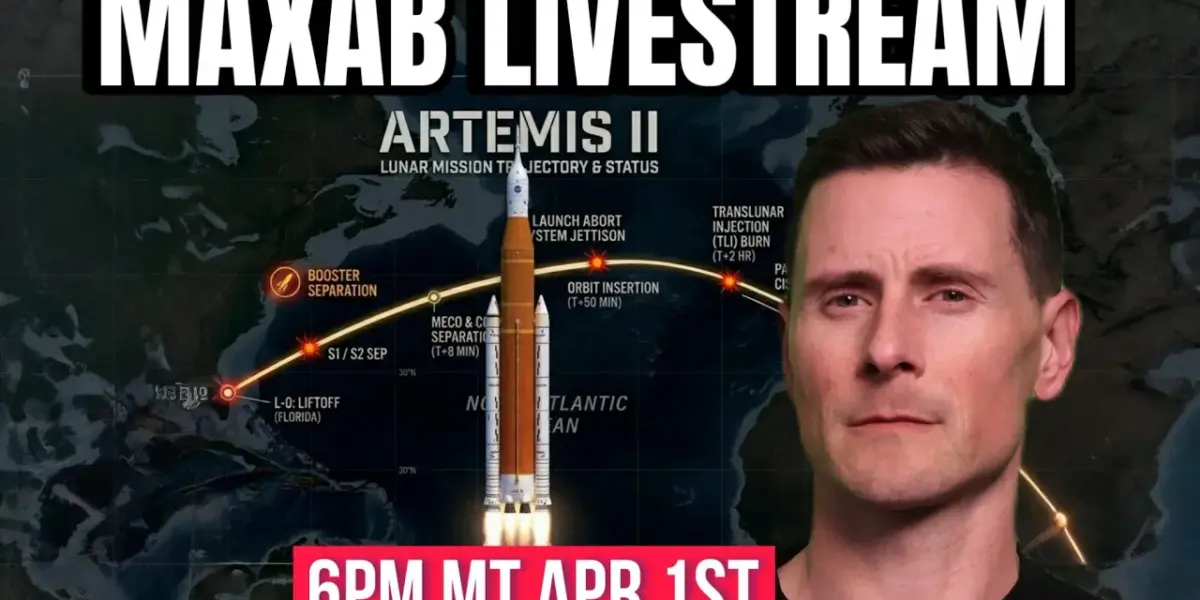
NASA Launches Historic Artemis II Lunar Mission
NASA has launched the Artemis II mission, marking a significant step in space exploration. This mission is the first crewed flight around the Moon in over 50 years. A fighter pilot, known as Max Afterburner, shared his expert analysis of the launch and the mission’s objectives. The mission sends four astronauts on a journey deeper into space than humans have traveled since the Apollo era.
SLS Rocket and Orion Spacecraft Details
The launch involved the massive Space Launch System (SLS) rocket. This rocket is the most powerful ever built by NASA. Its powerful engines are designed to lift heavy payloads, like the Orion spacecraft, into deep space. The Orion spacecraft is built to carry astronauts safely through the harsh environment of space. Max Afterburner broke down the powerful liftoff of the SLS rocket. He explained the complex sequence of events during the launch.
Lunar Flyby and Astronauts’ Journey
Artemis II will orbit the Moon, performing a lunar flyby. This means the spacecraft will travel around the Moon and then return to Earth. The mission aims to test Orion’s systems and the capabilities of the astronauts in deep space conditions. This test flight is crucial for future Artemis missions. These future missions plan to land astronauts on the Moon. The astronauts will travel farther from Earth than any previous human spaceflight. Max Afterburner provided commentary on the Orion spacecraft’s journey. He highlighted the critical maneuvers involved.
Strategic Implications
The Artemis II mission represents a return to deep space exploration for NASA. It signifies a renewed focus on lunar missions and potential future travel to Mars. The success of this mission builds on decades of spaceflight experience. It shows a commitment to advancing human presence beyond Earth orbit. The mission tests technology and procedures needed for long-duration space travel. This includes life support systems and navigation in deep space. The fighter pilot’s perspective offers insights into the operational challenges. He understands the demands placed on pilots and spacecraft systems.
Historical Context
This mission echoes the ambition of the Apollo program. The Apollo missions first landed humans on the Moon between 1969 and 1972. Artemis II aims to build upon that legacy. It will pave the way for sustained human presence on the Moon. The mission also serves as a stepping stone for even more ambitious goals. These include eventual human missions to Mars.
“The historic Artemis II launch is NASA’s first crewed mission around the Moon in over 50 years!”
Expert Analysis from Max Afterburner
Max Afterburner, a fighter pilot, offered a unique perspective on the Artemis II launch. His background in high-performance aviation provides insight into the complex engineering and operational aspects of spaceflight. He discussed the immense power of the SLS rocket. He also detailed the critical journey of the Orion spacecraft. His commentary focused on the technical details and the skill required for such a mission. The fighter pilot’s breakdown helps explain the mission’s significance to a wider audience. He emphasized the importance of this lunar flyby for future space exploration endeavors.
Broader Geopolitical Impact
The Artemis II mission underscores the United States’ leadership in space exploration. It demonstrates technological prowess and international cooperation potential. As nations increasingly explore space, such missions highlight national capabilities. They also foster collaboration on scientific and technological advancement. The success of Artemis II could inspire a new generation of scientists and engineers. It reinforces the importance of investing in space programs for national and global progress.
Entertainment and Education
The video featuring Max Afterburner’s reaction serves an educational purpose. It translates complex aerospace concepts into understandable terms. By using the perspective of a fighter pilot, it makes the mission relatable. This approach can engage the public in space exploration. It highlights the dedication and expertise required for such endeavors. The video aims to entertain while informing viewers about NASA’s ambitious goals. It encourages interest in science, technology, engineering, and mathematics (STEM) fields.
Source: Fighter Pilot Max Afterburner Reacts To ARTEMIS II Moon Mission LIVESTREAM | 6pm MT April 1st (YouTube)

Related Articles


US Reclaims Moon Lead, Igniting New Space Race
The Artemis II mission marks humanity's return to the Moon's vicinity after 50 years, showcasing stunning Earth views and global participation through the "Send Your Name to Space" campaign. This journey reignites US lunar ambitions, potentially sparking new international cooperation or competition in space exploration.


Trump Fires AG Bondi, Iran Tensions Rise, Artemis II Heads to Moon
Attorney General Pam Bondi has been fired by President Trump, with Deputy AG Todd Blanche stepping in as acting AG. Amidst rising oil prices and escalating tensions, the U.S. warns Iran as the Artemis II mission successfully heads towards the Moon. Golfer Tiger Woods was arrested for DUI and is stepping away for treatment.

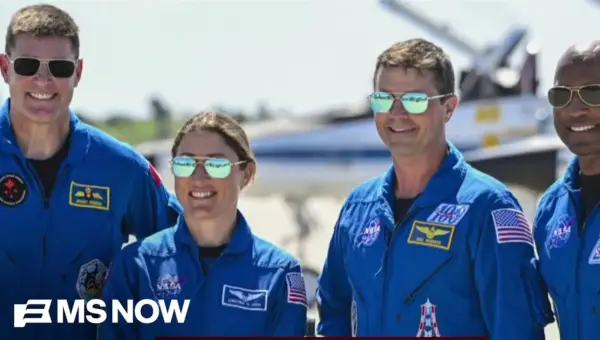
Astronauts Head to Moon Amidst Divided Nation
The Artemis II mission has launched, sending four astronauts towards the Moon in a journey that highlights both humanity's drive for exploration and the current divisions within society. While the launch captured global attention, it also sparked conversations about how fragmented media impacts shared national experiences.