US Ground Assault on Iran Could Dramatically Alter War
A potential U.S. ground assault in Iran could significantly alter the conflict's nature, raising strategic questions. Analysts debate whether to declare victory or escalate, with concerns over Iran's control of the Strait of Hormuz and broader geopolitical alliances.

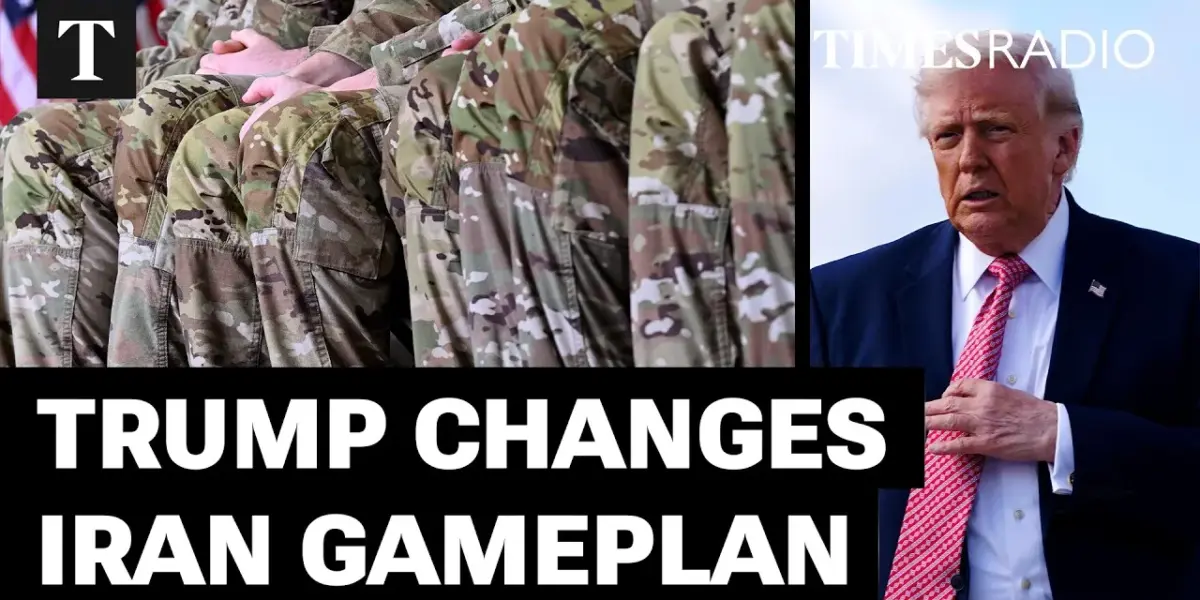
US Ground Assault on Iran Could Dramatically Alter War
A potential ground operation by the United States in Iran could fundamentally change the nature of the current conflict. This possibility raises questions about President Trump’s strategy and the long-term implications for regional stability. The ongoing situation leaves many uncertain about the path forward, with options ranging from declaring victory to a significant military escalation.
Assessing the Current Campaign Against Iran
Noah Rothman, a senior writer at National Review, believes the United States still has good options in its campaign against Iran. He argues that even if the conflict ended today, the Iranian regime would be in a weakened state. Its ability to project power and rebuild its missile arsenal has been significantly damaged. Key industries supporting the regime, including oil and steel, have been hit hard. These economic pressures could create divisions within the powerful Islamic Revolutionary Guard Corps (IRGC).
However, critics point out that the regime itself remains in power. Despite numerous strikes, Iran can still launch missiles and drones. It also retains control over the Strait of Hormuz, a critical global shipping lane. This control represents a significant point of leverage for Tehran.
The Unsustainable Strait of Hormuz Strategy
Rothman acknowledges the importance of the Strait of Hormuz but calls Iran’s strategy of controlling it “unsustainable.” He suggests that alternative routes and pipelines could undermine this leverage. China, a major buyer of Iranian oil, benefits from discounted prices. However, this could strain relations with allies like Pakistan. While some tankers have tried to navigate the strait by turning off their transponders, this is risky and could lead to disaster if a missile strikes one.
The world is unlikely to accept Iran’s disruption of energy supplies. This is especially true for European and East Asian nations that rely on oil and gas flowing through the strait. These countries, along with Gulf states like Kuwait, Bahrain, and Qatar, are feeling the pressure. The United Arab Emirates (UAE) has indicated a willingness to engage militarily to ensure stability.
Potential US Military Actions
Rothman suggests that the U.S. may need to take military action, possibly including ground operations, to weaken Iranian defenses around the Strait of Hormuz. He dismisses the idea of a large-scale ground invasion, comparing it to the situation in Iraq, where soldiers would be vulnerable. Instead, he proposes targeted operations on islands that Iran uses to launch missiles and drones.
These islands, such as Little and Big Tunb, and Abu Musa, are strategically located along the Strait. Disabling Iran’s anti-ship missile capabilities and fast-moving boats from these locations could be achieved with special operations forces. This approach would avoid occupying territory and align with the current fast-moving nature of the campaign.
Broader Geopolitical Concerns
The situation has wider implications for global alliances. President Trump’s recent comments about reconsidering U.S. membership in NATO have caused concern. While a president cannot unilaterally withdraw from a treaty ratified by the Senate, he can significantly weaken relationships with allies. This includes controlling troop movements and decisions on mutual defense.
Rothman notes that allies’ unreliability in providing access to air assets or transit airspace can indeed affect U.S. military planning. He points to past instances where denied airspace complicated operations. However, he also emphasizes that these relationships are repairable if all parties address legitimate grievances constructively.
Uncertainty and Future Outlook
Ultimately, the exact course of action remains unclear. Rothman admits he has no idea what President Trump will decide. The president could declare victory and withdraw, or he could prepare the U.S. and the world for a more significant commitment, including a potential ground operation. The uncertainty surrounding the strategy leaves many watching closely for the next developments in this complex geopolitical situation.
Source: US Ground Assault Would Change The Nature Of Iran War (YouTube)

Related Articles

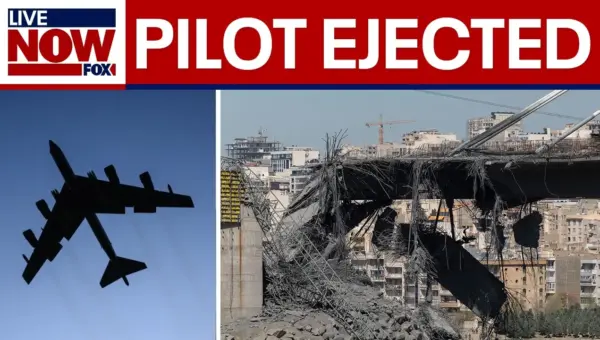
Iran Claims US Pilot Ejected; US Silent Amid Escalating Tensions
Iran claims a U.S. pilot ejected from a fighter jet over its territory, offering a reward for capture. The U.S. has not confirmed the report amid escalating regional tensions. Military experts discuss the strategic implications of U.S. strikes and the potential for internal change in Iran.

Trump Weighs War Exit Amid Iran Strikes and Internal Debate
President Trump is reportedly facing internal debate over how to end the escalating conflict with Iran, according to a new Time Magazine report. While publicly vowing to increase strikes, privately Trump seeks an "off-ramp" to declare victory and avoid domestic backlash, even as advisors express surprise at Iran's retaliatory attacks.


Trump Ousts AG Bondi, Eyes Zeldin as Successor
Pam Bondi is out as Attorney General after one year, with Deputy AG Todd Blanche serving as Acting AG. President Trump confirmed the departure, praising Bondi and hinting at a new private sector role. Lee Zeldin is reportedly being considered as Bondi's permanent replacement, amid ongoing speculation about other cabinet changes.