Birthright Citizenship Under Fire: Future of American Identity at Stake
A Supreme Court hearing is examining an executive order that could redefine birthright citizenship, a right historically tied to being born in the U.S. Experts warn that upholding the order would change what it means to be American and negatively impact families and the nation's future.

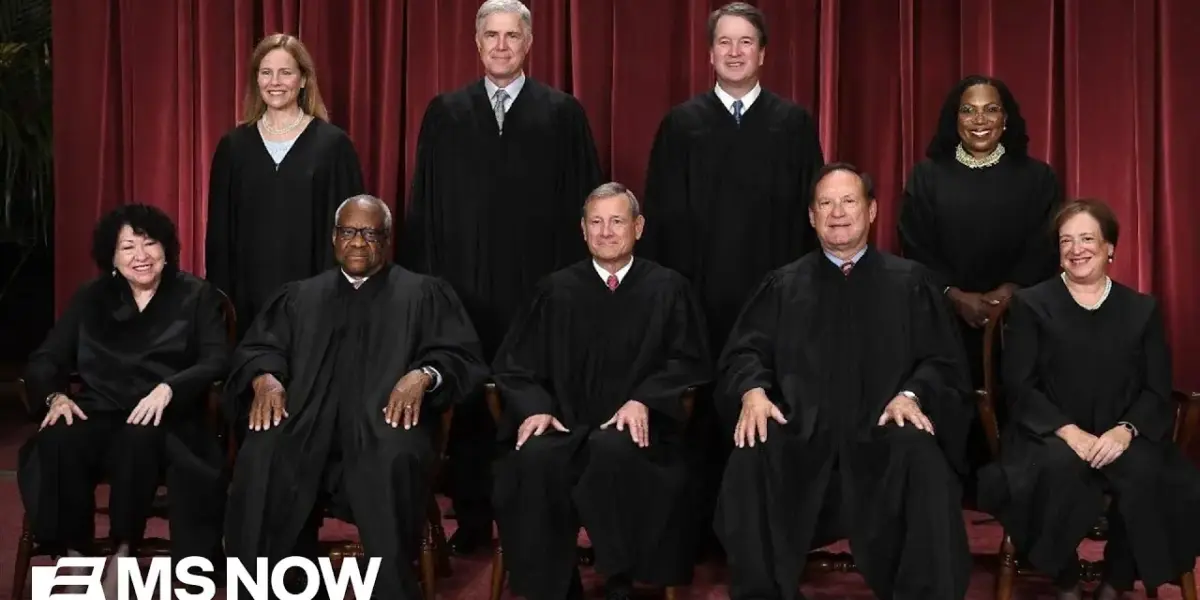
Supreme Court Hears Landmark Case on Birthright Citizenship
The future of who counts as an American is now in the hands of the Supreme Court. A recent hearing focused on a controversial executive order that could fundamentally change birthright citizenship, a right granted to those born on U.S. soil. Experts warn that upholding this order would redefine American identity and could lead to widespread negative consequences for families and the nation.
What is Birthright Citizenship?
Birthright citizenship, often referred to as jus soli, means that if you are born in the United States, you are automatically a citizen. This principle is largely based on the 14th Amendment to the Constitution, passed after the Civil War to ensure equal rights for all born in the country. It’s a concept that has been a cornerstone of American identity for generations.
“It’s about who we see ourselves as citizens, and much like the person who was interviewed outside the court, you know, I too descend from someone who fought in the Civil War for his freedom.”
The Executive Order’s Potential Impact
The executive order in question, if upheld, would challenge the long-standing interpretation of birthright citizenship. This isn’t just about individuals who cross the border illegally to have children. It could affect a much wider group, including those with work permits or who are here legally trying to build a life in the U.S. The order aims to create a hostile environment for immigrants, denying them and their children fundamental rights associated with being American.
Kimberly Atkins, a columnist for The Boston Globe and political analyst, explained the gravity of the situation. “It would mean changing what it means to be an American and putting that decision in the hands of the president, which is something, if we’re talking about the constitutional analysis, that it’s clear that our framers did not intend,” she stated. She believes the order is part of a broader anti-immigrant policy, designed to make the U.S. unwelcoming.
Stories from the Ground
Compelling testimony has emerged highlighting the real-life effects of such policies. One individual shared the story of his father, who came to the U.S. from Mexico, worked hard, and raised three sons who served as Marines. Despite his contributions and love for the country, his father was arrested by ICE and violently beaten. This experience left lasting physical and emotional scars on him and his family, demonstrating the human cost of harsh immigration policies.
“I share this not to assign blame, but to explain what these policies look like in real life. They affect families who have built their lives here,” the individual stated, emphasizing the trauma these actions inflict.
Challenging the Order
Attorneys General from several states are challenging the executive order, arguing that it goes against the core American experience. They point out that nearly everyone in the U.S. either came from somewhere else or descends from someone who did. “Birthright citizenship isn’t something that is common around the world. But I think the truth is it is something that is uniquely American. That’s the American experience. And changing that that would just rip it apart at the seams,” said California’s Attorney General Rob Bonta, who was present for the court arguments.
The attorneys general argue that birthright citizenship ensures individuals born in the U.S. are part of the nation’s future. They become active participants in democracy, voting, serving on juries, and contributing to a more just society. Losing this would mean losing the potential of these individuals to strengthen the country.
Political Motivations
Experts suggest that the push to challenge birthright citizenship is deeply rooted in political strategy, particularly aimed at energizing a specific base. Donald Trump has often prioritized his base over broader national interests. “Every single time, Donald Trump has been asked to choose between the base and what he thinks is right for the country, he chooses the base,” noted one analyst.
This strategy, however, carries significant political risks. Trump’s approval ratings among Latino voters, for instance, are low. By pursuing policies that could disenfranchise or alienate these communities, he may be jeopardizing crucial swing districts. Twelve swing seats in the House of Representatives have significant Latino or African-American populations, potentially impacting election outcomes.
There are concerns that this approach could alienate voters who previously supported Trump. Some DACA recipients and “Dreamers” who have had children born in the U.S. are reportedly reconsidering their support for his party due to these actions.
Looking Ahead
The Supreme Court’s decision on this executive order will have far-reaching implications, impacting not only immigration policy but also the very definition of American identity. The case highlights a fundamental debate about who belongs in the nation and what values it uphns. As the court deliberates, the nation watches, understanding that the outcome could shape the future for generations to come.
Source: 'Much bigger than the Constitution': Fate of future generations at stake in SCOTUS hearing (YouTube)

Related Articles

GOP Lawmaker Demands ‘Aggressive’ AG Replacement
GOP lawmakers are divided over border security funding as one representative calls for a more "aggressive" Attorney General. The debate over funding and the upcoming replacement for AG Pam Bondi highlight internal party struggles. Meanwhile, concerns about birthright citizenship and FEMA's low disaster fund add to the political landscape.

Trump Moves to Pay DHS Staff Amid Funding Stalemate
President Trump plans to sign an executive order to pay DHS employees amid a prolonged shutdown. This action comes as the department faces funding challenges and a review of its contracting policies. Expert Andrew Arthur discusses the need for congressional action and the push for greater accountability and efficiency within DHS.

Iran’s Regime Faces Pressure as US Focuses Inward
The U.S. faces a dual challenge: navigating complex foreign policy in Iran while grappling with deep domestic political divisions. The administration's strategy towards Iran is under scrutiny, with questions about its clarity and effectiveness. Simultaneously, the Supreme Court is hearing a pivotal case on birthright citizenship, potentially reshaping constitutional law.