Gold Surges as Geopolitical Tensions Rise
Gold prices have surged amid rising geopolitical tensions, with analysts divided on whether the broader market sell-off is nearing its end. The increasing use of the Chinese yuan for oil payments and the potential challenge to the US dollar's dominance are key factors driving investor sentiment towards safe-haven assets.


Gold Prices Soar Amid Global Uncertainty, Analysts Eye Market Bottom
Gold prices have experienced a significant surge, climbing over 720% since their March 23rd low and adding $3 trillion to the total crypto market cap in just a few days. This rally comes as geopolitical tensions escalate, particularly concerning Iran and the Strait of Hormuz. While some analysts like Tom Lee believe the broader market sell-off may be nearing its end, others point to gold’s performance as a key indicator of investor sentiment and a potential flight to safety.
Geopolitical Events Spark Gold Rally
The rising tensions involving Iran have sent shockwaves through global markets. Iran’s actions, including controlling the Strait of Hormuz—a critical chokepoint for global oil trade—have prompted a re-evaluation of investment strategies. Analysts suggest that Iran’s offer to allow ships safe passage if oil is paid for in Chinese yuan could have major implications. This move, coupled with China’s growing influence in payment systems, could challenge the dollar’s dominance and significantly impact the gold market.
Gold futures have surged past $4,800, reaching $4,784 per ounce at the time of recording. This marks a substantial increase from its recent low near $4,000. The precious metal’s climb is not just a response to the immediate conflict but also reflects a broader shift away from traditional currencies like the dollar. This trend is further amplified by concerns over potential supply chain disruptions, including rising costs for commodities like fertilizer, which could impact food supplies and consumer prices.
Market Sentiment and Potential Bottom
Despite the turmoil, some market watchers see signs of a potential market bottom. Tom Lee, a prominent market analyst, suggests that 90% to 95% of the sell-off might already be over. He points to several factors, including hedge fund positioning indicating capitulation, extremely negative retail sentiment, and the VIX (a measure of market volatility) closing above 30. Lee also notes that historically, stock markets tend to bottom early in wartime situations.
However, other perspectives highlight persistent risks. Jim Cramer mentioned that a potential end to the US-Iran conflict could influence the stock market. Yet, concerns remain about the lagging effects of the war on supply chains, energy costs, and the Federal Reserve’s potential interest rate decisions. The impact on consumer sentiment is also a key area of focus, as a significant downturn in consumer reaction could prolong market recovery.
The Yuan, Gold, and Dollar Dynamic
The situation with Iran and the Strait of Hormuz introduces a complex dynamic involving the Chinese yuan, gold, and the US dollar. Iran’s proposal to accept yuan for oil payments could significantly boost demand for the Chinese currency. This, in turn, could lead investors to sell dollars, buy gold, and then use that gold to acquire yuan for oil purchases. This intricate transaction could place China at the center of global trade, influencing exchange rates and the dollar’s standing.
The sheer size of the oil market, estimated at $4.1 trillion annually, compared to the gold market’s $485 billion, suggests that a significant shift in oil payments towards yuan could create unprecedented demand for gold. This could lead to substantial price increases for the precious metal. The long-term implications of this potential shift are still unfolding, and much will depend on ongoing negotiations and the resolution of the geopolitical situation.
Warren Buffett’s Perspective on Market Value
Even seasoned investors like Warren Buffett are weighing in on the current market conditions. While acknowledging that the market has seen significant downturns, with both the Dow and NASDAQ in correction territory, Buffett suggests that current valuations do not necessarily present compelling buying opportunities. He emphasizes that Berkshire Hathaway has weathered much larger drops, implying that even a 5-6% dip is not enough to trigger aggressive investment. His perspective underscores the ongoing uncertainty and the potential for continued volatility, even as some analysts look for signs of a market bottom.
What Lies Ahead?
The coming days are critical, with a scheduled speech from President Trump on Iran potentially shaping market expectations. Investors are closely watching for any indication of a ceasefire, a de-escalation of conflict, or a more aggressive stance. The market’s reaction to these developments, alongside the ongoing shifts in global finance and the performance of safe-haven assets like gold, will be crucial in determining the short-term trajectory of both traditional markets and the cryptocurrency space.
Source: Sell Off Over Soon?📉Crypto Market Update (YouTube)

Related Articles


China’s Global Reach Faces Setbacks Amidst Internal Turmoil
China's international influence is facing growing opposition and internal challenges. From strategic island disputes and diplomatic overtures towards Taiwan to domestic unrest and technological failures, Beijing's global ambitions are encountering significant setbacks. These events signal a complex geopolitical landscape where China's power is being tested on multiple fronts.
US Jet Downed in Iran: Stakes Skyrocket for Captured Crew
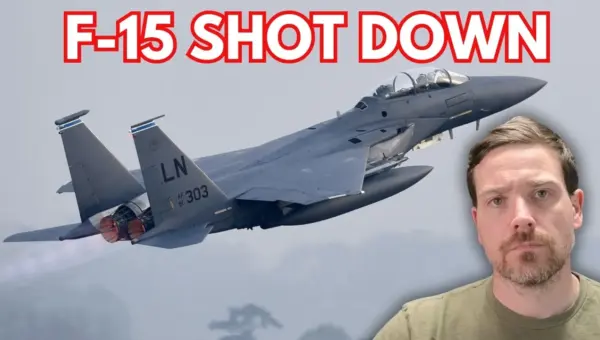
A US F-15 jet shot down over Iran raises tensions, with search efforts underway for the two crew members. The incident could become a major propaganda win for Iran if the crew is captured, potentially altering the war's outcome and public opinion.

US Fighter Jet Crashes in Iran; Rescue Mission Underway
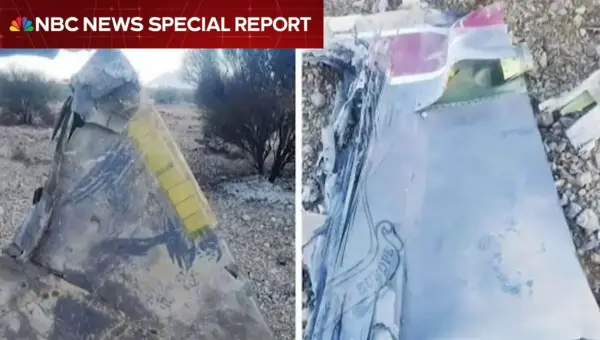
A U.S. F-15 fighter jet crashed inside Iran on Friday, prompting an urgent search and rescue mission. U.S. officials confirmed the incident, while Iranian state media reported the downed aircraft and offered a reward for the capture of the crew. The White House has been briefed, and the event raises questions about the ongoing U.S. military operations and potential escalation.