Bolton: Trump Lacks Iran Strategy, Risks Global Instability
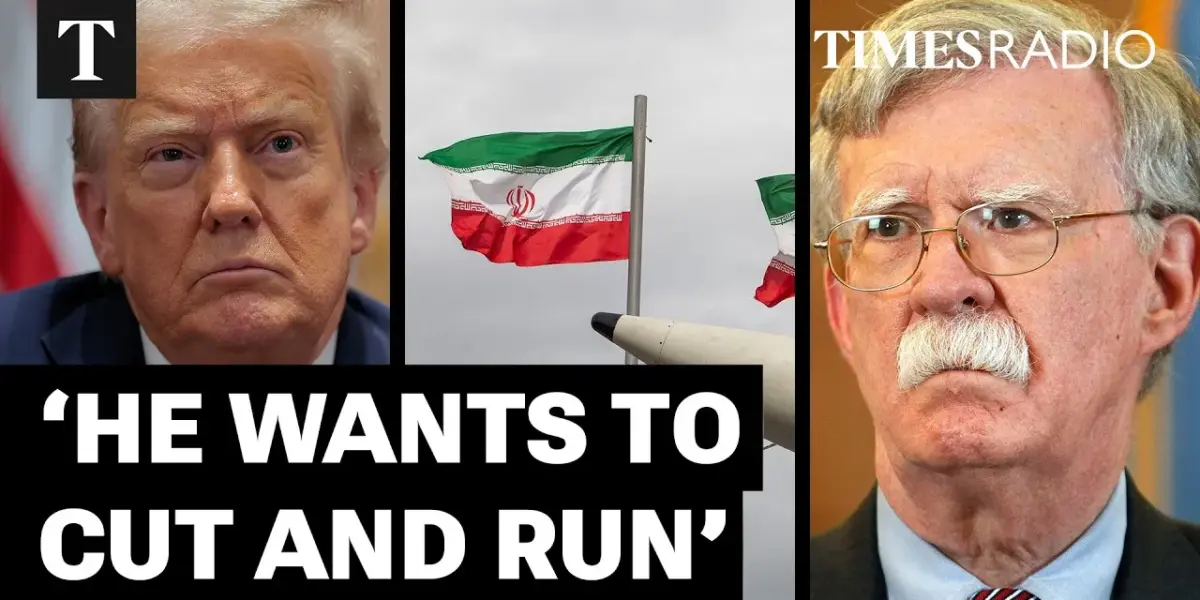
Former National Security Adviser John Bolton voiced strong concerns that President Trump is handling the Iran situation without a clear strategy, calling it "very dangerous." Bolton suggested Trump's actions are driven by domestic political pressures rather than long-term foreign policy goals, potentially jeopardizing global stability and oil markets. Experts also debated Iran's nuclear program and the risks of U.S. military actions.

Bolton: Trump Lacks Iran Strategy, Risks Global Instability
Former National Security Adviser John Bolton stated recently that President Trump is operating without a clear strategy regarding Iran, a situation he described as “very dangerous.” Bolton’s comments, made during a television interview, suggest that the President’s actions are reactive rather than based on a long-term plan. This lack of a defined strategy, Bolton argues, could have serious consequences for global stability and oil markets.
President’s Actions Called ‘Winging It’
Bolton, who served under Trump, expressed concern that the President seems to be making decisions on a day-to-day basis without a preconceived strategy. “He’s winging it day after day,” Bolton said, highlighting the unpredictability of the current approach. He noted that Trump’s public statements, such as interpreting an Iranian leader’s remarks as a request for a ceasefire, appear to be spontaneous reactions rather than part of a larger plan.
This approach, according to Bolton, is particularly risky given the ongoing hostilities. While acknowledging that significant damage may have been done to Iranian military assets and its nuclear program, Bolton questioned whether regime change, if it was ever a goal, is still Trump’s objective. He suggested that the President’s primary motivation might be domestic concerns, such as the price of gasoline and its potential impact on upcoming elections.
Concerns Over Strait of Hormuz and Global Markets
A key point of concern for Bolton is the potential closure of the Strait of Hormuz, a vital shipping lane for oil and other commodities. He stated that the risk of this vital waterway being closed has been ignored for decades. Bolton emphasized that leaving its security to the current Iranian regime is unacceptable and that future oil prices will likely reflect this risk.
The seizure of Iranian territory, such as the oil depot at K Island or landing sites near the Strait of Hormuz, was presented as a potential, albeit perilous, option. Bolton suggested that the only way to ensure the Strait’s security is to impose it on the regime. He also noted that allies like the UAE are considering joint operations with the U.S. to address these security concerns.
Ending the conflict without a deal to open the Strait of Hormuz would be a significant economic and strategic mistake, according to Bolton. It would signal to allies that the U.S. might abandon strategic realities for political expediency. This, he warned, would severely damage America’s credibility on the world stage.
NATO Withdrawal Concerns
Beyond Iran, Bolton also addressed concerns about President Trump’s desire to withdraw from NATO. He stated he has taken this possibility seriously since the 2018 NATO summit. Bolton dismissed arguments that congressional legislation prevents a withdrawal, asserting that the President has sole authority to exit treaties. He cited past instances, like withdrawing from the ABM and INF treaties, where Congress did not object.
Expert Disagrees on Iran’s Nuclear Ambitions
Jennifer Gavita, former Deputy Assistant Secretary for Iran and Public Diplomacy during the Obama administration, agreed that predicting Trump’s statements is difficult, suggesting the President himself may not know what he wants to say. She believes Trump is looking for an “off-ramp” from the conflict due to rising costs. However, she argued that it’s hard to claim victory while the Strait of Hormuz remains closed.
Gavita also corrected Trump’s assertion about a new Iranian president, clarifying that the current leader has been in place for two years and has limited authority over international agreements. She finds it unlikely that the Iranian president actually requested a ceasefire. Gavita characterized the messaging as incoherent, stemming from the President’s desire to exit the conflict.
Regarding Iran’s nuclear program, Gavita stated that based on her knowledge, Iran was not within weeks of acquiring a nuclear weapon. She noted that the previous leadership had not decided to weaponize its program, despite growing enrichment capabilities. She expressed concern that the current conflict could spur the new leadership towards developing a nuclear weapon, especially with a reported 200 kg of highly enriched uranium remaining in Iran.
Risky Options for U.S. Policy
Gavita acknowledged that seizing Iran’s enriched uranium could be discussed as a way to set back its nuclear ambitions. However, she described such an operation as highly risky. She noted that potential ground operations could aim to force the Strait of Hormuz open or seize enriched uranium, both carrying significant risks.
The presence of a third aircraft carrier in the region was highlighted as a sign of potential escalation, especially if the President does not intend to use such a significant military asset. Gavita concluded that there is considerable incoherence between the administration’s messaging and its actions.
Source: Trump ‘Winging It’ On Iran With ‘No Preconceived Strategy’ | John Bolton (YouTube)

Related Articles

US Forces Unleash Fury in Deadly Iran Rescue Mission
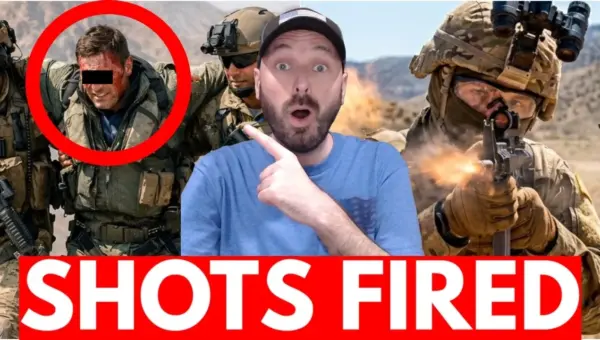
U.S. special forces executed a brutal and successful rescue mission in Iran to save a downed F-15 pilot. The operation involved intense combat and highlights America's commitment to its personnel. The event also coincides with reports of significant strikes against Iranian military leaders.
Iran Downs US Jet, Challenging Air Superiority Claims
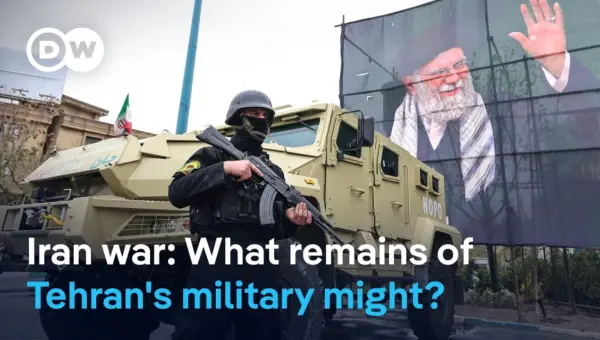
A U.S. fighter jet has been shot down over Iran, challenging official claims of complete air superiority. The incident has sparked a risky rescue mission for a missing airman and raises questions about the true effectiveness of U.S. military operations against Iran's evolving defenses. Experts suggest strategic goals remain unmet despite tactical successes.

Trump Picks Loyalists Over Law to Lead Justice Department
Donald Trump's search for a new Attorney General reveals a pattern of prioritizing loyalty over legal expertise. Critics argue this approach undermines the independence of the Justice Department, raising concerns about the rule of law.