Justices Skeptical of Trump’s Birthright Citizenship Order
The Supreme Court heard arguments on President Trump's executive order aiming to limit birthright citizenship. Justices appeared skeptical of the order, questioning its broad implications and the President's authority to redefine a key aspect of the 14th Amendment. The decision could significantly impact immigration policy.

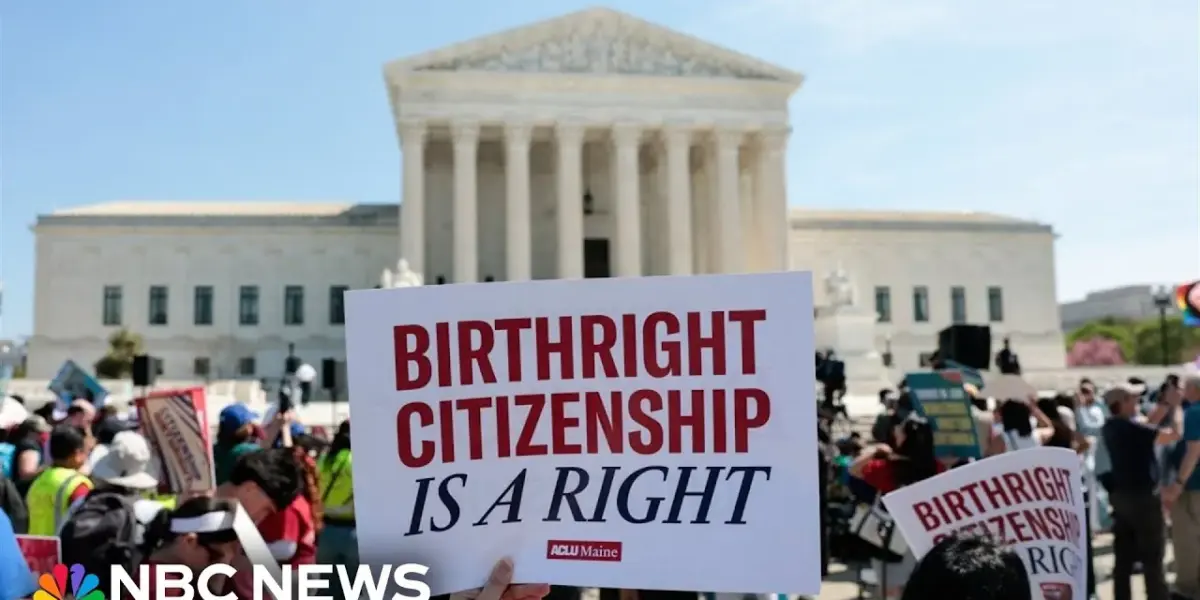
Supreme Court Weighs Trump’s Birthright Citizenship Order
The Supreme Court is considering President Trump’s attempt to limit birthright citizenship, a right guaranteed by the 14th Amendment. The President issued an executive order on his first day in office aiming to change the traditional understanding of this constitutional provision. The order itself was blocked by lower courts and has never taken effect. However, the hearing has drawn significant national attention, with protestors gathering outside the courthouse. President Trump himself attended the oral arguments, a historic first for a sitting president.
Skepticism Emerges in Courtroom
Based on the questions asked and comments made by the justices, there appears to be significant doubt about the President’s plan. Reporters at the scene are trying to understand the court’s leaning based on the interactions. The justices questioned the Solicitor General, who argued in defense of the President’s policy. They also heard from lawyers representing the ACLU and individuals affected by the proposed change. These litigants include a Honduran national expecting a child, representing a group facing similar circumstances.
The Core Issue: Redefining Citizenship
The central issue revolves around the broad implications of the President’s order. It proposes a dramatic change to who qualifies for citizenship. The 14th Amendment currently states that all persons born in the United States are citizens. There are only a few exceptions, such as children of foreign diplomats working for their home countries. The President’s order seeks to deny citizenship to children born in the U.S. to parents who are in the country illegally or overstayed their visas. It is important to note that the order does not appear to apply to those with green cards, meaning not all children born to non-citizens would be affected. This distinction creates a narrow target within a broad category of people.
Understanding Birthright Citizenship
Birthright citizenship, often called jus soli, is the right of any individual born within the territory of a state to become a citizen of that state. This principle is enshrined in the 14th Amendment to the U.S. Constitution, ratified after the Civil War. It states: “All persons born or naturalized in the United States, and subject to the jurisdiction thereof, are citizens of the United States and of the State wherein they reside.” This has long been understood to mean that anyone born on American soil is automatically a citizen, regardless of their parents’ immigration status. The exceptions are very limited, primarily covering children of foreign diplomats and invading forces.
Legal Arguments and Potential Impact
The legal arguments presented focused on the historical interpretation of the 14th Amendment and the scope of presidential power. Lawyers for the challengers argued that the amendment’s language is clear and has been consistently applied for over a century. They stressed that changing such a fundamental aspect of citizenship would require a constitutional amendment, not an executive order. The administration’s argument, presented by the Solicitor General, likely focused on the idea that the President has the authority to define who is “subject to the jurisdiction” of the United States, suggesting that those present unlawfully are not fully subject to U.S. law in a way that would grant their children citizenship. The justices’ questions seemed to probe the limits of this interpretation and whether it would open the door to further restrictions on citizenship.
What Happens Next?
The Supreme Court’s decision in this case will have significant implications for immigration policy and the definition of citizenship in the United States. The justices’ apparent skepticism suggests the President’s order may not survive legal challenge. However, the final ruling is not expected for several months. The outcome will clarify the boundaries of the 14th Amendment and the President’s authority to alter established citizenship rights through executive action.
Source: Supreme Court appears skeptical of Trump's effort to limit birthright citizenship (YouTube)

Related Articles
Trump’s Voting Order Faces Swift Legal Attack
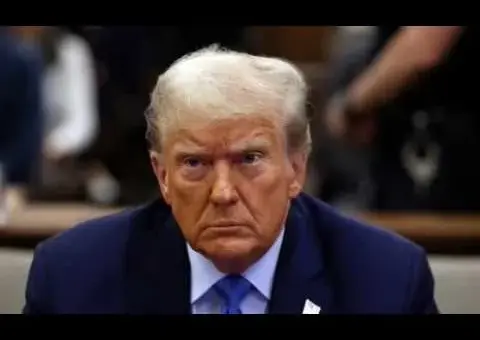
A new executive order by Donald Trump restricting mail-in voting faces a swift legal challenge from lawyer Mark Elias. The lawsuit argues the order is unconstitutional and aims to prevent its implementation before it can disenfranchise voters.

GOP Lawmaker Demands ‘Aggressive’ AG Replacement
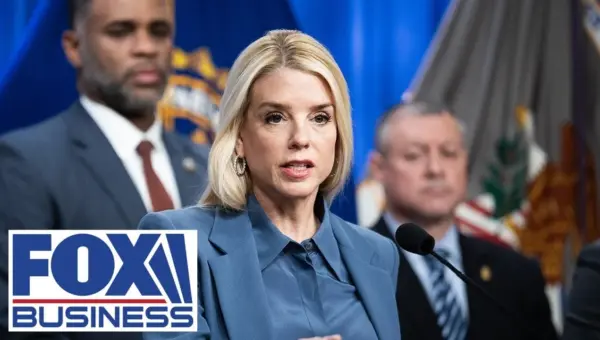
GOP lawmakers are divided over border security funding as one representative calls for a more "aggressive" Attorney General. The debate over funding and the upcoming replacement for AG Pam Bondi highlight internal party struggles. Meanwhile, concerns about birthright citizenship and FEMA's low disaster fund add to the political landscape.

Iran’s Regime Faces Pressure as US Focuses Inward
The U.S. faces a dual challenge: navigating complex foreign policy in Iran while grappling with deep domestic political divisions. The administration's strategy towards Iran is under scrutiny, with questions about its clarity and effectiveness. Simultaneously, the Supreme Court is hearing a pivotal case on birthright citizenship, potentially reshaping constitutional law.