Roberts Likely to Rule Against Trump on Birthright Citizenship
Former U.S. Attorney Harry Lippman predicts Chief Justice Roberts will likely rule against the Trump administration's attempt to restrict birthright citizenship. The case hinges on interpreting the 14th Amendment's 'subject to the jurisdiction' clause. Experts argue the administration's proposed exceptions are not supported by the Constitution's text or historical understanding.

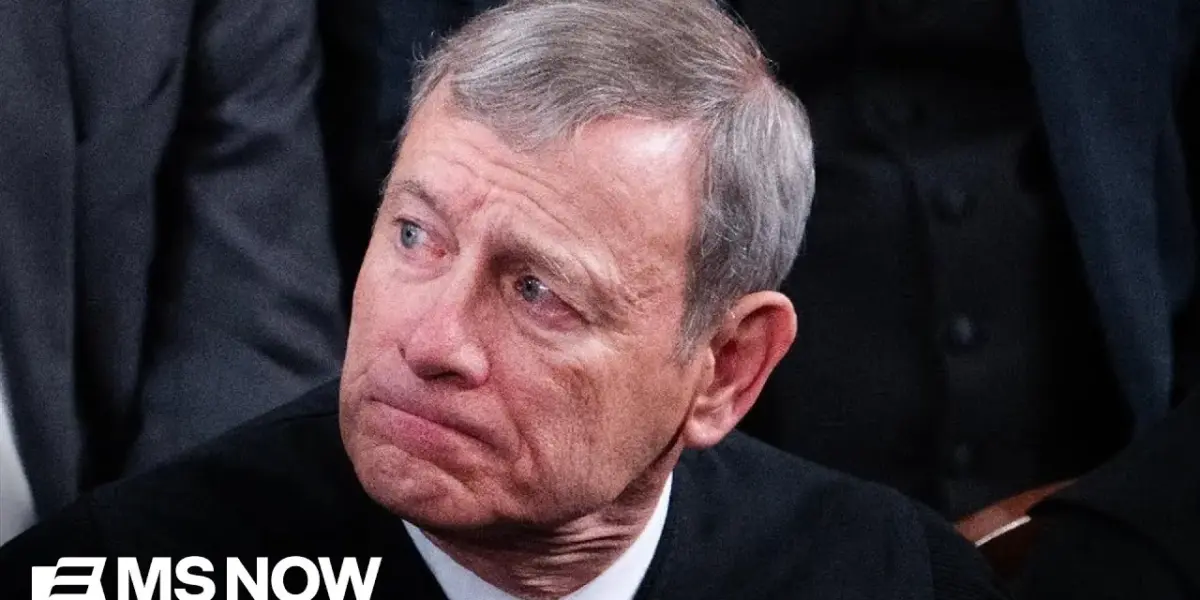
Chief Justice Roberts May Lead Supreme Court Against Trump Policy
In a significant legal debate surrounding birthright citizenship, former U.S. Attorney Harry Lippman believes Chief Justice John Roberts will likely rule against the Trump administration’s policy. The case centers on interpreting the 14th Amendment’s clause stating that all persons born or naturalized in the United States and subject to its jurisdiction are citizens. This interpretation is crucial for determining whether children born in the U.S. to parents without legal status are automatically granted citizenship.
Understanding “Subject to the Jurisdiction”
The core of the legal argument lies in the phrase “subject to the jurisdiction of the United States.” Lippman explains there are two ways to view this: a narrow, straightforward meaning and a broader, more encompassing one. The traditional understanding, he suggests, is that if you are physically present in the U.S., can obtain a driver’s license, and can be sued, you are part of the social contract and thus subject to U.S. jurisdiction. This aligns with the idea of citizenship being tied to being born within the nation’s borders.
The Trump administration’s efforts, however, aimed to redefine this clause. They argued that the parents’ legal status should be considered, potentially excluding children born in the U.S. from citizenship if their parents are not legal residents. This approach sought to create new exceptions to the long-standing principle of birthright citizenship.
Roberts’ Stance and Historical Context
Lippman points to Chief Justice Roberts’ apparent reaction during oral arguments as a key indicator of his likely decision. Roberts’ comment, “New World, same old Constitution,” suggests a view that the meaning of constitutional clauses should remain consistent, even if the world and its challenges have changed. This implies that the consequences of a ruling, such as a potential influx of immigrants, should not alter the fundamental interpretation of the 14th Amendment.
“That should have sent shivers down the spine of S.G. Sauer,” Lippman stated, referring to the government’s legal team. He believes Roberts supports the idea that the established meaning of the clause should prevail, regardless of changing circumstances. This suggests Roberts, and likely a majority of the court, will rule against the administration’s attempt to restrict birthright citizenship.
Exceptions to Birthright Citizenship
The discussion also touched upon existing, narrow exceptions to birthright citizenship. These include children born to foreign diplomats, who have diplomatic immunity, or children born to an invading army in controlled territory. These exceptions were well-recognized at the time the 14th Amendment was ratified. However, legal experts emphasize that these were understood as a closed set of circumstances, not a basis for creating new exceptions as times change.
“It’s not the case that people thought, if times and circumstances changed, you’d get a whole bunch of new exceptions,” explained one legal analyst, highlighting the administration’s argument as an attempt to introduce such new exceptions. This goes against the principle that the Constitution’s meaning is stable unless formally amended.
Consequences of Deporting U.S. Citizens
A significant concern raised is the potential consequence of deporting individuals who are, in fact, U.S. citizens. If the court upholds the principle of birthright citizenship, then children born in the U.S. who have already been deported would legally be considered U.S. citizens. This raises complex questions about repatriation and the government’s actions.
“You’ve deported U.S. citizens. I think there’s no question that this government has done that,” stated Chuck Rosenberg, a former federal prosecutor. He criticized the Trump administration’s tendency to act first and let courts sort out the legality later, noting that some harm inflicted by such actions may be irreversible. While optimistic about this particular case, he acknowledged that many past actions by the administration could not be undone.
The Supreme Court’s Recent History
The conversation also addressed public concern regarding the Supreme Court’s recent decisions, particularly in light of rulings like the overturning of Roe v. Wade. Listeners questioned whether their concerns about potential outcomes in this birthright citizenship case are justified given this history.
“I think they are, but in a different way,” responded one expert, referring to the concerns. The issue of “unscrambling the eggs” was brought up, describing how the administration’s actions, even if later deemed unlawful, can have permanent consequences. The example of temporary construction projects becoming permanent structures was used to illustrate how actions taken without full legal review can create irreversible situations.
International Comparison and National Identity
During the proceedings, the government’s counsel noted that the U.S. rule of near-unrestricted birthright citizenship is an outlier among modern nations, with most European countries having different rules. The argument suggested that the absence of such a rule in other countries has not led to a major humanitarian crisis.
However, the counterargument emphasizes that this outlier status is a reflection of a core American value. “The 14th Amendment made this grand statement that one’s ability to be a citizen doesn’t depend on who your parents are. That’s a very American, grandly democratic proposition,” was stated. This perspective frames birthright citizenship not just as a legal rule but as a fundamental part of the nation’s identity and its commitment to equality.
Justices’ Personal Histories and Legal Interpretation
A New York Times report examining the immigration histories of the nine Supreme Court justices was also discussed. The article highlighted that each justice’s family history involves immigration to the United States, often as laborers or factory workers, tracing a path to their current positions of influence.
While justices typically state they set aside personal opinions to follow the law, the question arose whether their lived experiences and family backgrounds inevitably inform their judgments. “Well, this always informs our judgment,” was the response. It was noted that everyone, including the justices, is shaped by their upbringing and family history. The commonality of these immigration stories across the justices reflects a broader American experience and understanding of foundational documents like the 14th Amendment.
Looking Ahead: Upholding Birthright Citizenship
Given the textual basis of the 14th Amendment, a 1952 statute echoing its language, and the nation’s historical understanding of birthright citizenship, the legal consensus leans towards upholding this principle. While the court could technically rule differently, such an outcome appears unlikely. The prevailing view among legal experts is that the court will likely affirm the established meaning of birthright citizenship, reinforcing a core tenet of American law and national identity.
Source: I believe Chief Justice Roberts 'will rule against' Trump admin: Fmr. U.S. Attorney (YouTube)

Related Articles


Trump Fires Attorney General Pam Bondi in Cabinet Shakeup
President Trump has fired Attorney General Pam Bondi, citing mounting frustration over her handling of key cases, including the Jeffrey Epstein files. Deputy Attorney General Todd Blanche will step in as acting Attorney General. Bondi's dismissal follows criticism regarding investigations into political opponents and public statements.


Trump Replaces Bondi, Shifting AG Role to Legal Focus
Pam Bondi has been replaced as Attorney General, with Geraldo Rivera suggesting her tenure became too political. President Trump has appointed Todd Blanche, seen as a more legally focused choice, signaling a shift in the office's priorities. This move aims to separate legal duties from political maneuvering.

Judges Block Trump’s Orders, Undermining His Authority
Federal judges have blocked several key Trump administration initiatives, including efforts to defund public media and end birthright citizenship. These rulings, some from Trump appointees, highlight the judiciary's role as a check on executive power and question the administration's legal strategies.