Trump’s Iran Exit Risks Ceding Key Strait to China
If the U.S. withdraws from protecting the Strait of Hormuz, it risks handing significant influence over this vital global oil route to China. This potential move could be seen as a major strategic blunder, especially given U.S. concerns about China's growing global power.


Trump’s Iran Exit Risks Ceding Key Strait to China
President Trump’s decisions regarding Iran could have a major, unintended impact on global trade. If the U.S. steps back from its role in protecting the Strait of Hormuz, it might be handing significant influence over this vital waterway to China. This move could be seen as a major strategic blunder, especially if Trump views China as America’s biggest global rival.
A Critical Global Chokepoint
The Strait of Hormuz is a narrow waterway connecting the Persian Gulf to the open ocean. It’s one of the world’s most important oil transit points. Around 40% to 50% of China’s total oil imports rely on this passage. Imagine a busy highway, but for oil tankers. If that highway gets blocked or becomes unsafe, it causes massive traffic jams and economic problems for everyone who needs to use it.
Unintended Consequences for U.S. Interests
The idea is that if the U.S. withdraws from ensuring the strait’s safety, Iran could gain more control. This could lead to Iran being able to dictate terms or even restrict the flow of oil. For China, which depends heavily on this oil, this situation presents both challenges and opportunities. China might be able to negotiate better deals for Iranian oil moving forward.
The U.S. stepping back from the Strait of Hormuz could be an unintended consequence that benefits China.
This scenario seems odd because President Trump has often identified China as a major threat to U.S. interests worldwide. By potentially allowing China to gain leverage over such a crucial global chokepoint, Trump might be inadvertently giving China a significant advantage. It’s like playing a game of chess and making a move that unexpectedly helps your opponent the most.
Historical Context and U.S. Role
For decades, the United States has played a key role in ensuring freedom of navigation through the Strait of Hormuz. This has been a cornerstone of U.S. foreign policy in the Middle East, aimed at stabilizing oil markets and supporting allies in the region. This presence has helped maintain a certain level of predictability for global energy supplies.
China’s Growing Dependence
China’s reliance on imported oil has grown significantly as its economy has expanded. The Strait of Hormuz is a critical artery for delivering this energy. Any disruption there directly impacts China’s economic stability and growth. Therefore, China has a strong interest in seeing the strait remain open and secure, even if it means navigating complex relationships with countries like Iran.
The “Own Goal” Scenario
The analysis suggests that if Trump’s administration exits its protective role in the Strait of Hormuz, it could be a self-inflicted wound for U.S. foreign policy. It’s being described as a “hell of an own goal” because it appears to work against stated U.S. objectives regarding China. If the goal is to counter China’s growing influence, then ceding control of a vital trade route seems counterproductive.
Future Outlook
The future of the Strait of Hormuz’s security remains a complex issue. It involves the interests of the U.S., Iran, China, and many other nations. Any U.S. withdrawal or reduction in its security role would likely create a vacuum. How that vacuum is filled, and by whom, will have significant implications for global energy security and international relations.
Why This Matters
This situation matters because the Strait of Hormuz is not just a regional issue; it’s a global one. The stability of oil prices and the flow of energy affect economies worldwide. If a key transit point becomes less secure or controlled by fewer hands, it can lead to price volatility and economic uncertainty. For countries like China, securing their energy imports is a matter of national importance. For the U.S., maintaining stability and countering rivals are key foreign policy goals. The decisions made today about this vital strait will shape global trade and power dynamics for years to come.
Potential Implications
If the U.S. steps away, Iran might feel emboldened to exert more control, potentially leading to increased tensions. China, seeking to secure its energy needs, might deepen its ties with Iran, which could alter regional power balances. This could also force other major oil-consuming nations to reassess their own security arrangements for vital shipping lanes.
Conclusion
The complex interplay between U.S. policy, Iranian actions, and China’s energy demands makes the Strait of Hormuz a critical flashpoint. Whether a U.S. withdrawal from this area is a strategic move or an unintended consequence remains to be seen. However, the potential for handing significant influence over a global chokepoint to a strategic rival like China is a serious consideration that warrants careful analysis.
Source: If Trump walks away from Iran, is he handing China control of the Strait of Hormuz? (YouTube)

Related Articles

US Policy Shift Stuns Allies, Weakens Global Security
US policy shifts regarding Ukraine, the Strait of Hormuz, and NATO are raising concerns among allies and creating global instability. Critics point to a lack of strategic planning and diplomatic consultation, potentially emboldening adversaries and undermining international security.
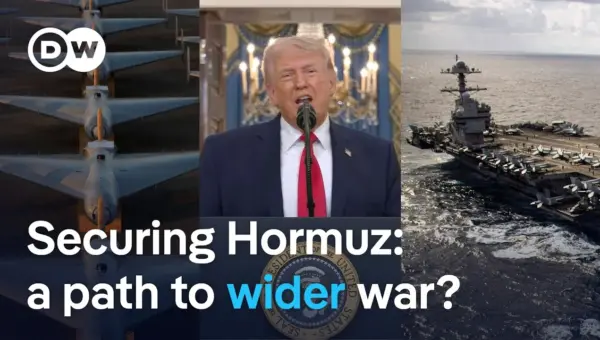
Strait of Hormuz Tensions Risk Wider Middle East War
Efforts to secure the vital Strait of Hormuz risk triggering a wider Middle East war, according to UN warnings and security analysts. The narrow waterway is crucial for global trade, and forcing it open against Iran's objections could escalate regional tensions dramatically. Experts highlight the complex geography, Iran's remaining military capabilities, and the involvement of regional players as key factors in the volatile situation.
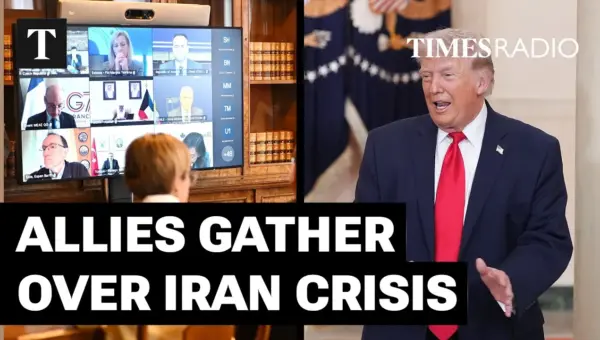
UK Leads Global Effort to Secure Strait of Hormuz
The UK has rallied over 40 countries to address the crisis in the Strait of Hormuz, a vital global energy route. The initiative seeks diplomatic and economic solutions amidst rising tensions and calls for a stronger European role. Experts suggest that negotiation, rather than military action, is key to securing the strait's passage.