US Policy on Iran: Repeating Failed Strategies?
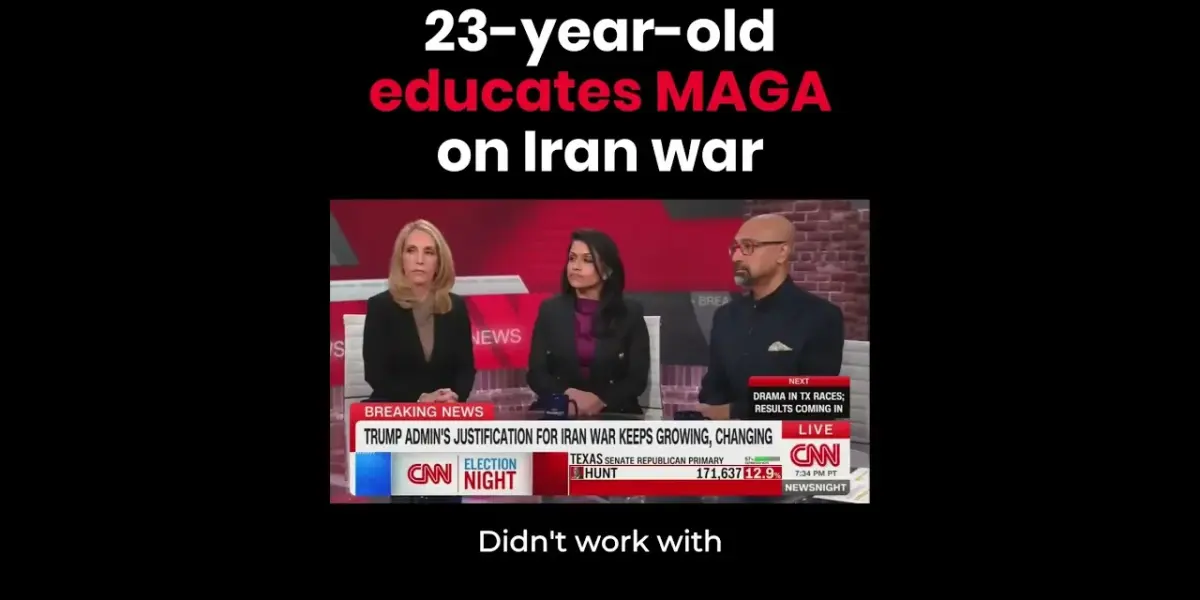
The U.S. has a long history of trying to change the Iranian regime, often by focusing on removing leaders. However, this strategy, seen in past failures like Libya and Iraq, lacks a solid plan for what comes next. Conflicting political messages add to the concern about a clear U.S. foreign policy.

US Policy on Iran: Repeating Failed Strategies?
The idea of seeing the Iranian government change is something many people want. However, the United States has tried to make this happen for many years without success. Even leaders like George W. Bush and Barack Obama, and more recently Donald Trump, have pursued similar goals. They often focus on removing the current leaders, believing this will fix everything. But history shows this approach doesn’t work on its own.
Think about what happened in Libya when Muammar Gaddafi was removed. Things didn’t get better; they actually got worse. Similarly, taking out Saddam Hussein in Iraq led to more problems, not solutions. The core issue is that removing a leader without a clear plan for what comes next often creates a bigger mess.
The Danger of No Backup Plan
It’s not enough to simply get rid of a leader you see as a problem. You need a solid plan to build new, lasting institutions that can create stability. This means having a strategy for how a country will be run after the old system is gone. The current administration’s actions suggest a lack of such a plan. We haven’t seen a clear roadmap for what happens after any potential leadership change in Iran.
This uncertainty is concerning. It seems like there isn’t a well-thought-out transition plan in place. In fact, some reports suggest that key individuals who might have been considered replacements for Iran’s Supreme Leader have been removed. This adds another layer of confusion and instability to the situation.
Conflicting Messages and Misunderstandings
Adding to the confusion are mixed signals from political figures. For example, Senator Marco Rubio has expressed views that seem to contradict those of Donald Trump. Even Donald Trump himself has sent conflicting messages at times. This makes it hard for allies and observers to understand the consistent U.S. policy.
Furthermore, comments from figures like Senator Markwayne Mullen suggest a misunderstanding of what a real conflict or war entails. Debates around such serious topics need clarity and a firm grasp of the facts. When leaders seem unsure about fundamental concepts, it raises questions about their ability to make sound foreign policy decisions.
Why This Matters
The effectiveness of U.S. foreign policy directly impacts global stability and security. When strategies are unclear or based on repeating past mistakes, it can lead to unintended and negative consequences. For Iran and the surrounding region, a lack of a clear plan could prolong instability and suffering.
For decades, the U.S. has sought to influence or change regimes in various countries. The approach often centers on sanctions or supporting opposition groups. However, these methods have rarely resulted in the stable, democratic societies that are often the stated goal. The focus seems to be on the immediate removal of a leader, rather than the long-term rebuilding process.
Implications, Trends, and Future Outlook
The trend of focusing on leader removal without a comprehensive follow-up plan is worrying. It suggests a reactive rather than proactive approach to foreign policy challenges. This can leave power vacuums that extremist groups might fill, or it can lead to prolonged civil conflict.
Looking ahead, the U.S. needs to develop more sophisticated strategies. These strategies must consider the complex social, political, and economic factors within a country. Simply hoping that removing one person will solve deep-seated issues is a gamble that history shows is likely to fail. A focus on supporting civil society, fostering internal reforms, and building broad-based coalitions might offer a more sustainable path to positive change.
The situation in Iran, and the U.S. approach to it, highlights a broader challenge in international relations. How do nations effectively promote democracy and stability abroad without causing more harm than good? The answer likely lies in moving beyond simplistic solutions and embracing nuanced, long-term strategies.
Source: Adam Mockler Sets The Record Straight Live On TV (YouTube)

Related Articles
US Weighs NATO Future Amidst Global Security Shifts
The U.S. is reportedly re-evaluating its commitment to NATO, with "everything on the table" regarding alliance contributions. Experts warn that leaving the current Iranian regime in power poses a "disastrous outcome" for global security and stability.
China’s Iran Gambit: A Risky Game of Two Faces
China's public calls for peace in the Iran conflict mask a private strategy of buying discounted oil, reports suggest. This "double game" now risks China's economy through rising oil prices and supply chain stress, potentially costing billions.

Trump’s Iran Strategy Falters, Sparking Global Oil Pain
President Trump's recent speech defending his administration's actions in Iran has drawn widespread criticism for its lack of clarity and strategic direction. The address coincided with growing global concerns over oil prices and potential energy crises, as international diplomats met to address the Strait of Hormuz while the U.S. was absent. Domestic polls also show a significant disapproval of Trump's handling of the conflict.