Artemis II Astronauts Launch to Moon in Historic Mission
NASA's Artemis II mission is set to launch astronauts on a historic 10-day journey around the Moon, marking the first crewed deep space mission in over 50 years. The flight aims to test vital systems and includes diverse crew members, highlighting a new era of lunar exploration. High-definition video will capture the mission, with future plans for lunar landings and sustained presence.

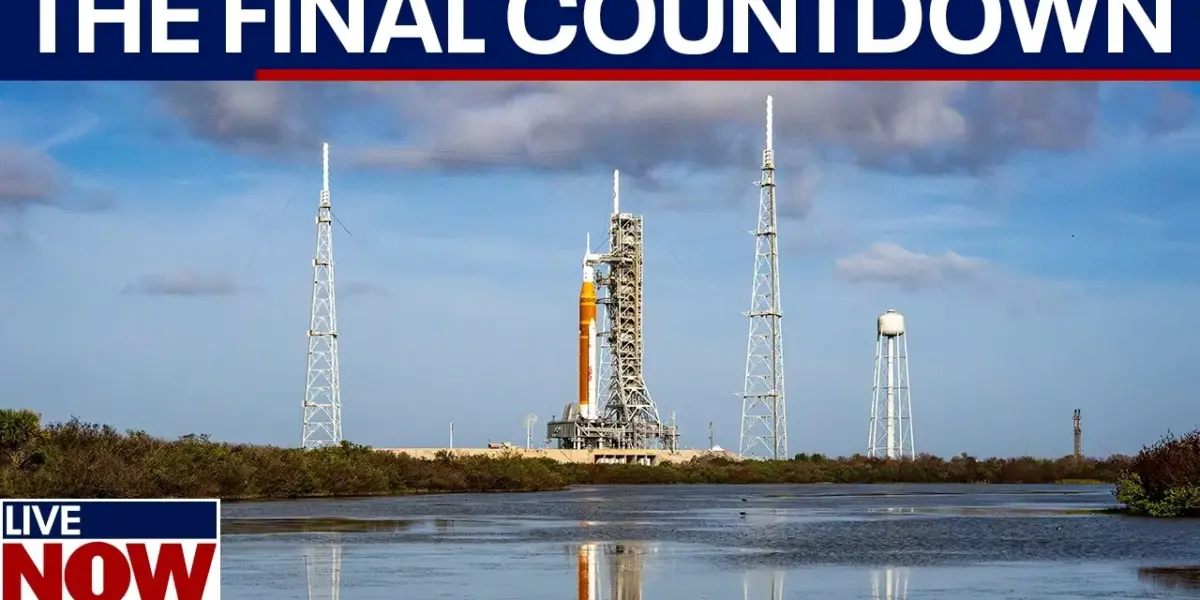
Artemis II Astronauts Launch to Moon in Historic Mission
NASA’s Artemis II mission is on track to launch astronauts around the Moon, marking a significant return to deep space exploration for the first time in over 50 years. The mission, set to lift off within a two-hour window starting at 6:24 p.m. Eastern Time, will send four astronauts on a 10-day journey. This historic flight aims to test crucial systems and pave the way for future lunar missions and potential human presence on the Moon.
A New Era of Lunar Exploration Begins
The Artemis II mission represents a monumental step for NASA and international space partners, aiming to re-establish humanity’s presence on the Moon. The program is designed not just for short visits but to build infrastructure for longer stays, fostering scientific discovery and commercial opportunities. This endeavor is a broad coalition, with the US leading but bringing allies like Canada, Europe, and Japan along for future lunar exploration.
Meet the Artemis II Crew and Their Milestones
This mission carries historical significance beyond its technical objectives. The crew includes the first Black man and the first woman to venture beyond Earth’s orbit, alongside the first Canadian citizen to leave Earth orbit. This diversity reflects NASA’s goal for the Artemis program to be more representative of the world it serves. Such inclusivity is seen as vital for maintaining public support, a lesson learned from the Apollo era, where waning public interest contributed to the program’s end.
Understanding the Artemis II Hardware
The Artemis II mission utilizes advanced technology, including the Orion spacecraft and the Space Launch System (SLS). Orion is the crew capsule where the four astronauts will live during their journey. It is described as a compact, gumdrop-shaped module, slightly larger than a couple of phone booths, offering a snug but functional living space. The SLS, a massive rocket, is the powerhouse that will propel Orion and its crew into space. This rocket is NASA’s first moon rocket since the Saturn V, which carried astronauts to the Moon decades ago. The agency is also using three-letter acronyms, or TLAs, for these components, with Orion and SLS being key examples.
What Success Looks Like for Artemis II
The primary measure of success for Artemis II is the safe return of the astronauts. Beyond that, mission success involves verifying that all hardware functions as expected, communications and life support systems operate flawlessly, and the launch and flight performance of the SLS rocket meet all planned parameters. This mission serves as the ultimate real-world test, providing invaluable data to ensure future missions can proceed with confidence. Simulations and tests are vital, but the true understanding of these complex systems comes from executing the mission itself.
High-Definition Views from the Moon
For those eager to witness the journey, the mission promises stunning visuals. Unlike the grainy footage from the Apollo missions, Artemis II will provide beautiful 4K imagery from the Orion spacecraft for most of the trip. While a brief period will be lost when Orion travels behind the Moon, preventing direct communication, modern technology like CCDs and digital cameras will ensure high-definition video streams. This advanced video capability is a direct benefit of technological progress since the 1960s and 70s.
Future Steps: Artemis III and Beyond
Artemis II is a critical stepping stone for future missions. Artemis III, planned for the following year, will be a test flight in Earth orbit, practicing docking with a large vehicle, potentially a Starship from SpaceX or a vehicle from Blue Origin. These private companies are developing human landing systems that will dock with Orion in lunar orbit, allowing astronauts to transfer and descend to the Moon’s surface. The actual lunar landing is tentatively scheduled for Artemis 4, ideally around 2028. This ambitious timeline requires private companies to successfully develop and test their lunar landers, a complex undertaking that may extend into the years following 2028.
A Return to Deep Space Exploration
The Artemis program signifies America’s re-entry into deep space exploration after a 54-year hiatus since the Apollo missions concluded in 1972. This return is not just about reaching the Moon again; it’s about establishing a sustainable presence, conducting groundbreaking scientific research, and opening new economic frontiers. The mission’s success will build momentum, confirming that humanity is indeed heading back to the Moon and beyond, with the potential to unlock fundamental scientific questions about our solar system and Earth’s history.
Launch Window and Patience
The launch window for Artemis II opens at 6:24 p.m. Eastern Time and closes at 8:24 p.m. Eastern Time. If the launch cannot occur during this window, NASA has several subsequent opportunities over the next few days and weeks. The exact timing of launches is dependent on celestial mechanics, including the Moon’s orbit and lighting conditions, often allowing for only about a week-long launch opportunity per month. Mission planners emphasize patience, acknowledging the immense complexity and difficulty of spaceflight, especially after a long break. The effort to return to the Moon is a testament to human ingenuity and perseverance.
Source: Artemis II moon mission: Astronauts on track for launch (YouTube)

Related Articles


Trump Fires AG Bondi, Iran Tensions Rise, Artemis II Heads to Moon
Attorney General Pam Bondi has been fired by President Trump, with Deputy AG Todd Blanche stepping in as acting AG. Amidst rising oil prices and escalating tensions, the U.S. warns Iran as the Artemis II mission successfully heads towards the Moon. Golfer Tiger Woods was arrested for DUI and is stepping away for treatment.


Astronauts Head to Moon Amidst Divided Nation
The Artemis II mission has launched, sending four astronauts towards the Moon in a journey that highlights both humanity's drive for exploration and the current divisions within society. While the launch captured global attention, it also sparked conversations about how fragmented media impacts shared national experiences.


Moon Missions Spark New Space Race: Fuel & Power
Renewed moon missions are fueling a new space race, driven by the potential for rocket fuel production and strategic control. However, concerns about space weaponization and the lack of clear property rights in this lawless frontier add a complex geopolitical layer to lunar ambitions.