UAE Leads Charge as Allies Falter in Strait of Hormuz
The UAE is taking a leading role in securing the Strait of Hormuz, prompting questions about NATO's limited involvement. This strategic shift could impact global energy markets and international security partnerships.

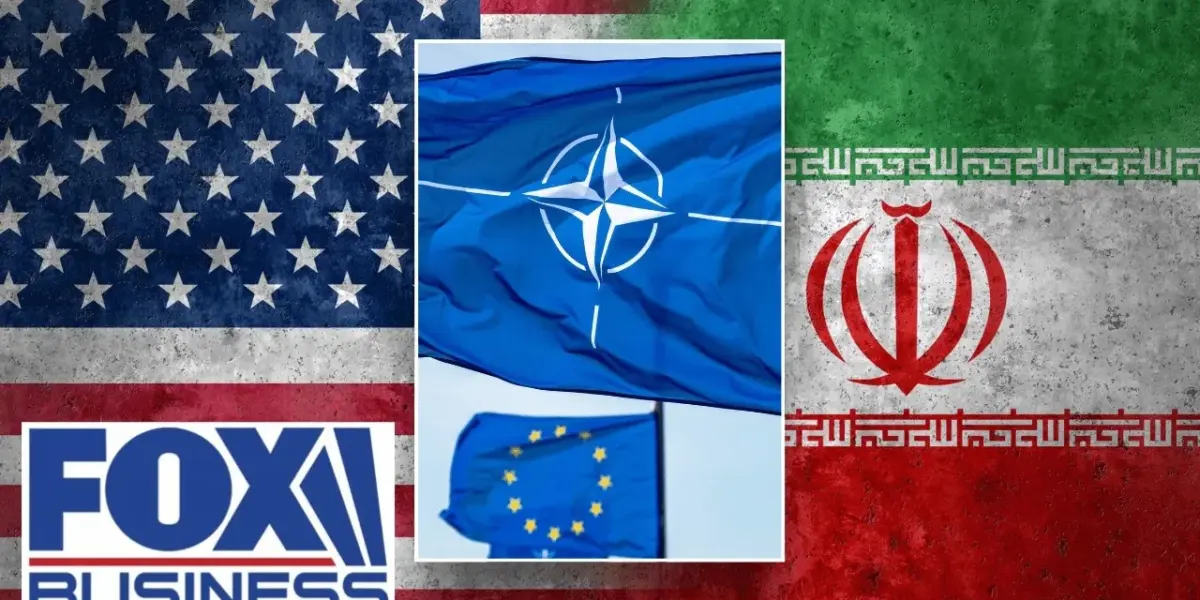
UAE Takes Lead in Strait of Hormuz Operations Amidst NATO Inaction
In a significant shift in regional security dynamics, the United Arab Emirates (UAE) has emerged as a key player in ensuring the free flow of commerce through the vital Strait of Hormuz. This development comes as traditional allies, particularly within NATO, have been criticized for their limited involvement in recent military and political actions aimed at countering an extreme Islamic regime. The UAE’s proactive stance highlights a growing need for international cooperation while simultaneously exposing a lack of commitment from some Western partners.
Strait of Hormuz Operations Gain Momentum
The Strait of Hormuz is a critical waterway, serving as a major chokepoint for global oil shipments. Ensuring its openness is vital for both regional economic stability and the worldwide supply chain. The UAE’s commitment to reopening the strait and taking an offensive role is seen as a crucial step. They are now leading the charge among Arab nations to guarantee unimpeded passage, a move that benefits not only their own strategic location but also the broader international community.
NATO Allies Under Scrutiny for Limited Action
While the UAE steps up, there is noticeable criticism directed at key NATO members such as England, France, and Spain. These nations have been described as largely sitting back and doing little to address the ongoing situation. This inaction stands in stark contrast to the UAE’s decisive engagement. The situation raises questions about the effectiveness and commitment of existing alliances when facing significant geopolitical challenges.
US Considers Strategic Reassessment Amidst Alliance Concerns
The United States, despite being a global superpower, cannot shoulder all responsibilities alone. Recent remarks from Secretary of State Marco Rubio suggest a potential reconsideration of troop presence in Europe. This consideration stems from the fact that NATO allies are not consistently allowing the U.S. to utilize their bases. The implication is clear: if these bases cannot be used, the fundamental purpose of NATO’s forward deployment becomes questionable. Rubio’s comments have certainly captured attention and may prompt a broader reevaluation of military commitments.
Market Impact: What Investors Should Know
The situation in the Strait of Hormuz has direct implications for global energy markets and international trade. The active role of the UAE and the potential for increased security in the region could lead to greater stability in oil prices. Investors closely watch these developments as disruptions in this waterway can cause significant price volatility. The lack of participation from some NATO allies might also signal a shift in global power dynamics, potentially impacting long-term investment strategies in defense and energy sectors. The successful resolution of these tensions could foster a safer and more economically favorable global environment.
Short-Term and Long-Term Implications
In the short term, the increased activity in the Strait of Hormuz, led by the UAE, is likely to provide some reassurance to markets concerned about supply disruptions. However, the underlying tensions and the perceived lack of unified action from NATO could create ongoing uncertainty. Long-term, this event may encourage a realignment of security partnerships and a greater emphasis on regional cooperation. It could also lead to increased defense spending by nations directly affected by regional instability, presenting opportunities for defense contractors. The economic perspective suggests that securing vital trade routes like the Strait of Hormuz is paramount for sustained global growth.
“We would love to see our NATO friends, if you want to call them friends at this point, step up because we may be the world’s superpower, but we can’t do everything.”
A New Era of Regional Security?
The current geopolitical climate, marked by the UAE’s leadership and the questioning of traditional alliances, may herald a new approach to regional security. The successful conclusion of operations in the Strait of Hormuz promises a safer world and improved economic conditions. This situation underscores the evolving nature of international relations and the need for adaptable strategies in maintaining global stability.
Source: NATO SHOWDOWN: Allies criticized for lack of action (YouTube)

Related Articles


Oil Shock: Hormuz Closure Triggers Global Financial Crisis
A prolonged closure of the Strait of Hormuz could trigger a global financial crisis, leading to soaring energy prices, bond market instability, and a stock market crash. Analysts warn of potential job losses and asset devaluation, with limited safe havens for investors.


China’s Global Reach Faces Setbacks Amidst Internal Turmoil
China's international influence is facing growing opposition and internal challenges. From strategic island disputes and diplomatic overtures towards Taiwan to domestic unrest and technological failures, Beijing's global ambitions are encountering significant setbacks. These events signal a complex geopolitical landscape where China's power is being tested on multiple fronts.
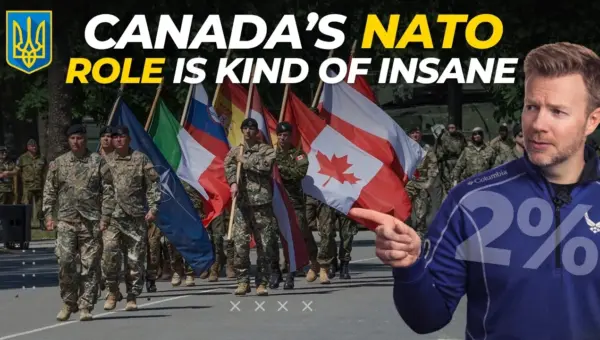
Canada Hits NATO’s 2% Defense Spending Target
Canada has finally met NATO's 2% of GDP defense spending target, a goal set in 2014. However, the country's actual military contributions and aid to Ukraine have been significant for years, often exceeding what the spending percentage reflects. Analysts emphasize that actual capabilities and strategic actions matter more than a simple financial benchmark.