Iran Rebuffs Trump’s Bold Claims Amidst Rising Tensions
Iran has rebuffed Donald Trump's assertive claims about U.S. policy and potential regime change, signaling a lack of seriousness towards diplomacy. This comes amidst rising economic fallout and threats in the Middle East, while also exposing divisions within Trump's political base and affecting election outlooks.

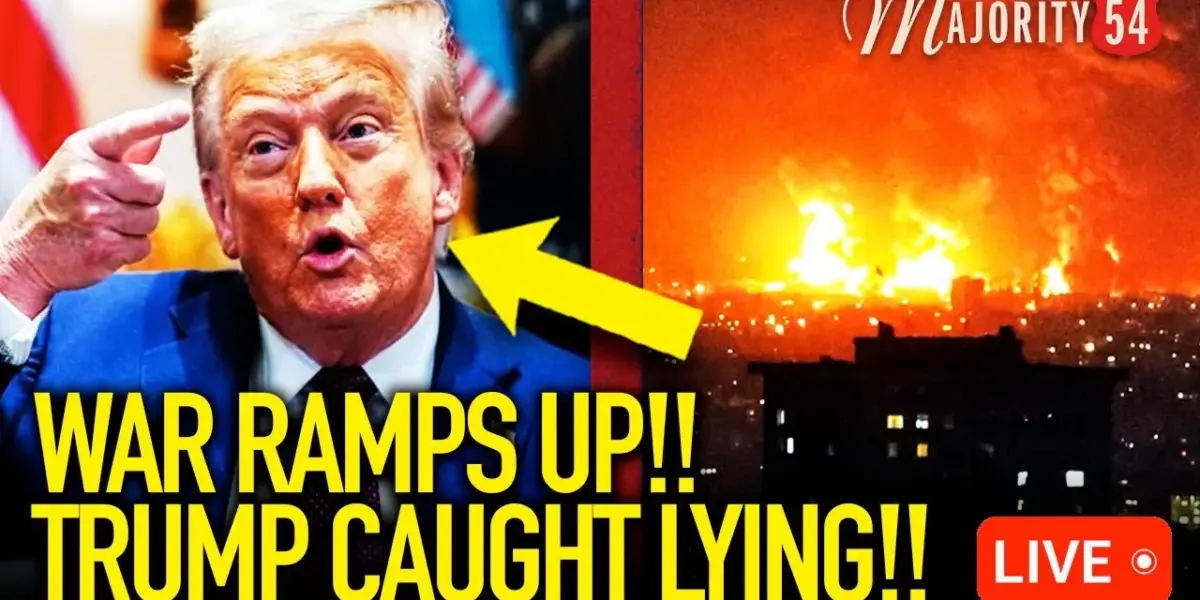
Iran Rebuffs Trump’s Bold Claims Amidst Rising Tensions
Former President Donald Trump recently made strong statements about U.S. policy toward Iran, suggesting a potential withdrawal within weeks and the installation of a “new regime.” However, Iran has signaled that it does not take these diplomatic threats seriously. This disconnect highlights a complex and potentially volatile situation in the Middle East.
Economic Fallout and Escalating Threats
Trump’s remarks come at a time of increasing economic strain in the region. Attacks on important infrastructure and trade routes are becoming more common. Threats in the Strait of Hormuz, a vital shipping lane, are also growing. A wider conflict could have serious consequences for global markets and U.S. allies. The situation is particularly concerning for countries that rely on stable oil prices and secure trade routes.
Internal Divisions in MAGA World
The handling of the Iran situation has also exposed divisions within Trump’s own political circle, often referred to as MAGA world. Some prominent figures are openly criticizing Trump’s approach. These critics are raising new questions about leadership and the overall direction of the movement. This internal debate suggests a lack of unified strategy or agreement on how to handle foreign policy challenges.
Shifting Political Landscape and Election Outlook
Beyond foreign policy, new polling data reveals shifts in party identification. Trump’s approval numbers remain historically low. These trends could significantly impact the upcoming election cycle. The analysis suggests that voters may be reconsidering their political allegiances. The low approval ratings could pose a challenge for Republican candidates in the future.
Why This Matters
The statements made by Trump, and Iran’s dismissive response, are more than just political rhetoric. They reflect deep-seated tensions that have global implications. The Strait of Hormuz is crucial for the world’s energy supply; any disruption there could send oil prices soaring and disrupt economies worldwide. This situation tests the effectiveness of diplomacy versus aggressive posturing. It also shows how foreign policy decisions can impact domestic politics and election outcomes. The internal disagreements within the MAGA movement also suggest a potential fracturing of a key political force.
Historical Context
U.S.-Iran relations have been strained for decades, marked by a complex history of diplomatic breakdowns, sanctions, and military standoffs. The 1979 Iranian Revolution and the subsequent hostage crisis set a difficult tone. More recently, the Joint Comprehensive Plan of Action (JCPOA), or Iran nuclear deal, was a major point of contention. Trump withdrew the U.S. from the deal in 2018, imposing severe sanctions. Iran’s current stance of dismissing U.S. diplomatic overtures can be seen as a reaction to this history, suggesting a deep mistrust of U.S. intentions and a belief that only direct, verifiable actions, not just words, will lead to meaningful change.
Implications and Future Outlook
The current situation suggests a potential for miscalculation. If Iran does not believe the U.S. is serious about diplomacy, they may feel less pressure to de-escalate. This could lead to more aggressive actions, further destabilizing the region. For global markets, increased geopolitical risk often translates to higher energy prices and market volatility. U.S. allies in the region, such as Saudi Arabia and the UAE, are also watching closely, concerned about their own security and economic stability. The internal debates within the MAGA camp could also shape future Republican foreign policy stances, potentially leading to more isolationist or unpredictable approaches.
Looking ahead, the path forward is uncertain. Will diplomatic channels reopen and prove effective, or will rhetoric escalate into further conflict? The economic consequences, both regionally and globally, will depend heavily on how these tensions are managed. The upcoming elections in the U.S. will also play a role, as different administrations may pursue vastly different strategies toward Iran and the broader Middle East.
Source: LIVE: Trump REBUKED by IRAN after FAKE DEALS (YouTube)

Related Articles
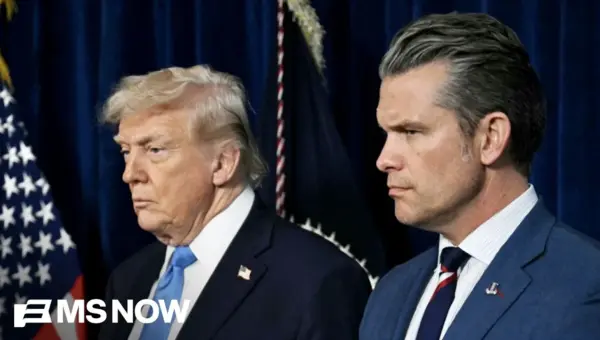
US Pilot Missing in Iran After Jet Shot Down
A U.S. Air Force pilot is missing and presumed captured in Iran after his F-15E fighter jet was shot down. The incident marks the first known instance of a U.S. aircraft being downed over Iran. A second U.S. jet also crashed in the Persian Gulf, with its pilot safely rescued. The situations contrast with earlier U.S. assurances of military invincibility.

US Forces Prepared for Rescue, Veteran Says
A U.S. Army veteran asserts that American forces are well-prepared for complex operations like search and rescue missions. He also stated that the U.S. has achieved significant strategic wins against Iran's nuclear and missile programs. The discussion also covered NATO's importance and the need for European allies to increase their defense contributions.

Iran Escalates Tensions; Sports Betting Harms Student Athletes
The U.S. and Iran face escalating tensions following the downing of an F-15 jet, with the Strait of Hormuz remaining a critical flashpoint. Meanwhile, the booming sports betting industry is creating a hostile environment for college athletes, leading to increased harassment and calls for stricter regulations.