Rolex Outperforms Stocks: A Watch Doubles in Value
A Rolex watch bought for £5,400 has more than doubled in value to £12,000 over eight years, outperforming traditional investments. While a success story, experts caution it highlights luck over strategy.


Luxury Watch Outshines Stocks, Property in Investment Returns
A single luxury watch has delivered returns far exceeding those of traditional investments like stocks and property. The timepiece, purchased for £5,400 over eight years ago, is now valued at approximately £12,000. This represents more than double the initial investment, a performance that significantly outperforms the speaker’s other investment ventures.
The Unexpected Investment Performer
The watch in question, a Rolex, serves as a striking example of how certain alternative assets can generate substantial wealth. While the speaker acknowledges the success, they caution against viewing this as a universally sound financial strategy. The significant appreciation in value highlights a growing trend where luxury goods are increasingly recognized for their investment potential, moving beyond their primary use.
The initial cost of the Rolex was £5,400. Today, its market value has surged to around £12,000. This impressive growth means the watch has more than doubled in price since its purchase eight years prior. Such a return is remarkable when compared to typical market performance in equities or real estate over a similar period.
Comparing Returns: Watches vs. Traditional Assets
The speaker explicitly states that this single watch investment has “completely crushes any kind of returns that I’ve ever had on any kind of stock investment or property.” This assertion suggests a significant gap in performance. While stocks and property can offer steady growth and income, they often come with volatility and market risks. Luxury watches, particularly in-demand models, can appreciate based on scarcity, brand prestige, and collector interest.
For context, typical annual returns for the stock market might range from 7% to 10% over the long term, although this can vary widely. Property returns also fluctuate based on location and market conditions. A watch doubling in value in eight years equates to an average annual return of approximately 9.5%, not accounting for compounding. However, the jump from £5,400 to £12,000 represents a 122% total return, a figure that is difficult to match consistently with stocks or property without taking on significant risk.
Market Impact and Investor Considerations
The performance of this Rolex underscores the growing appeal of luxury goods as an alternative investment class. This market includes items like high-end watches, classic cars, fine art, and rare collectibles. These assets often appeal to investors seeking diversification beyond traditional financial markets. Their value can be driven by factors such as limited production runs, historical significance, and the desirability of specific brands or models.
For potential investors, understanding the dynamics of the luxury goods market is crucial. Unlike stocks, which are traded on public exchanges and have readily available financial data, the value of luxury items can be more subjective and opaque. Factors influencing their appreciation include:
- Scarcity: Limited production or discontinued models often see higher demand.
- Brand Reputation: Established luxury brands like Rolex have enduring appeal.
- Condition: The physical state of the item significantly impacts its value.
- Provenance: A watch’s history, including ownership and service records, can add value.
- Market Trends: Popularity can shift based on cultural influences and collector preferences.
The Role of Luck in Investment Success
Despite the impressive financial outcome, the speaker issues a strong caution: “Just because a poor financial decision turned out okay for you does not mean that it was a wise financial decision. It means you got lucky.” This statement is critical for any investor to consider. While this particular Rolex purchase proved profitable, it may have been driven by factors beyond a calculated investment strategy, such as timing the market perfectly or an unexpected surge in demand for that specific model.
Replicating such success requires more than just buying a luxury item. It involves deep market knowledge, identifying assets with genuine appreciation potential, and understanding the risks involved. The luxury goods market can be volatile, and not all items will increase in value. Some may even depreciate, especially if they are not rare or in high demand.
Long-Term Implications for Investors
The Rolex’s performance suggests that alternative assets can play a role in a diversified investment portfolio. However, they should be approached with careful research and a clear understanding of their unique risk-reward profile. For investors considering similar avenues, it is important to:
- Educate Yourself: Understand the specific market for the asset you are considering.
- Assess Liquidity: Determine how easily you can sell the asset when needed.
- Factor in Costs: Consider insurance, maintenance, and potential storage costs.
- Diversify: Do not put all your investment capital into a single alternative asset.
While this Rolex story is compelling, it serves as a reminder that exceptional returns often come with unique circumstances or a degree of good fortune. Prudent investment decisions still rely on thorough research, risk management, and a well-diversified strategy across various asset classes.
Source: The Rolex That “Beat” Investing (YouTube)

Related Articles


Walmart Stock Soars as Luxury Goods Plummet: Recession Looms
An unusual economic indicator, the Walmart recession signal, is flashing red as Walmart's stock soars while luxury goods stocks fall. This pattern has accurately predicted past recessions, suggesting that tighter household budgets are driving consumers to seek value. The trend signals potential economic hardship ahead.

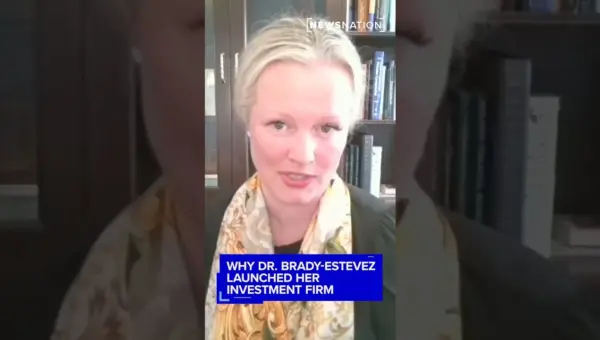
UAP Tech Spurs New Investment Frontier
A new investment firm is exploring technologies derived from Unidentified Aerial Phenomena (UAP). Dr. Brady-Estevez's company aims to support innovators in this underfunded field. The move could legitimize UAP research and potentially lead to significant technological breakthroughs with global impact.


Artemis II Launch Fuels Space Sector Optimism
NASA's Artemis II mission has launched, sending four astronauts on a lunar flyby. This historic flight test is expected to boost investor confidence in the growing space sector. Companies involved in rocket manufacturing and satellite technology could see increased interest.