Slovakia, Hungary Undermine EU Unity on Ukraine Aid
Slovakia and Hungary are undermining European Union unity on support for Ukraine. Prime Minister Fico's divisive rhetoric in Slovakia is eroding his influence and the nation's credibility within the EU. Hungary's parallel actions further fracture the bloc's response.

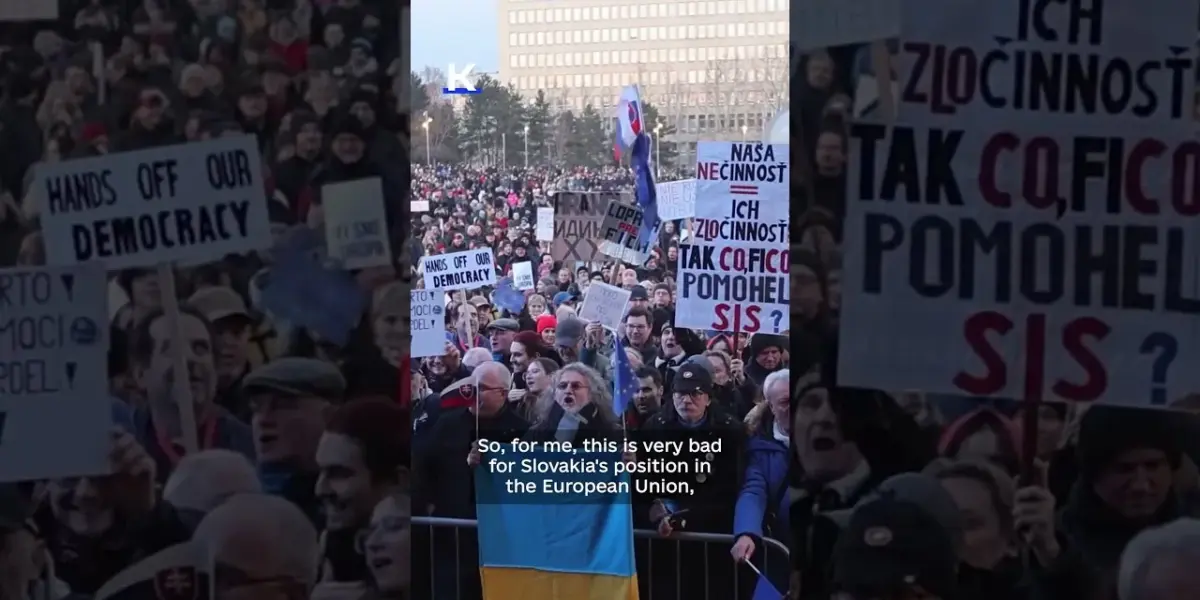
Central European Allies Fracture EU’s Ukraine Support
Recent actions by Slovakia and Hungary are significantly weakening the unified front of the European Union in its support for Ukraine. This division poses a serious challenge to ongoing efforts to provide crucial aid and maintain diplomatic pressure on Russia.
Slovakia’s Shifting Stance
Slovakia, under the leadership of Prime Minister Robert Fico, has adopted a stance that critics argue is detrimental to both Slovakian credibility and European unity. Fico’s rhetoric, which some dismiss as a pragmatic facade, is increasingly seen as divisive within Slovakia. He appears to be mobilizing and polarizing Slovak society by framing the conflict in Ukraine in a way that undermines solidarity.
This approach carries significant consequences for Slovakia’s standing within the European Union. Observers note that regardless of his pronouncements, whether made domestically or in Brussels, Fico is experiencing a decline in his influence. This erosion of credibility limits Slovakia’s ability to shape EU policy and potentially isolates the nation from its partners.
Hungary’s Parallel Opposition
Hungary has also demonstrated a consistent pattern of opposing or delaying EU initiatives related to Ukraine. This has included blocking or watering down sanctions against Russia and resisting financial aid packages for Kyiv. Hungarian Prime Minister Viktor Orbán has often cited national interests and concerns about the economic impact of sanctions as reasons for his government’s position.
These actions by Hungary, while often framed differently than Slovakia’s, contribute to the same outcome: a fractured EU response. This creates openings for Russia to exploit divisions and potentially weakens the collective bargaining power of the European bloc.
Strategic Implications
The fracturing of EU unity on Ukraine support has several critical implications. Firstly, it jeopardizes the flow of essential military and financial aid to Ukraine. When key member states hesitate or actively obstruct aid packages, Ukraine’s ability to sustain its defense efforts is directly impacted. This can prolong the conflict and increase the human cost.
Secondly, it emboldens Russia. A divided EU signals a potential weakening of resolve and a reduced appetite for sustained pressure. This could encourage Moscow to continue its aggression, believing that Western unity is not as strong as it appears. It also creates uncertainty for Ukraine about the long-term commitment of its Western partners.
Furthermore, internal EU divisions can affect the bloc’s global standing. A united EU is a powerful geopolitical actor. When that unity falters, the EU’s ability to project influence on other international issues is diminished. This can also create challenges for NATO, as many EU members are also NATO allies.
Historical Parallels
Historically, periods of geopolitical crisis often test the cohesion of alliances and international bodies. The Suez Crisis in 1956, for example, saw significant divisions within Western powers, demonstrating how differing national interests can complicate collective action. While the current situation is distinct, the principle remains: maintaining unity among diverse national interests requires constant diplomatic effort and shared strategic vision.
The current divisions within the EU echo past challenges where some member states prioritized perceived national interests over collective security goals. The success of unified action often depends on overcoming these internal disagreements to present a cohesive front against external threats.
What This Means on the Ground
For Ukraine, the wavering support from key EU members means uncertainty regarding future aid. Delays in military supplies can affect battlefield operations, potentially leading to missed opportunities or increased defensive pressures. Financial aid is crucial for Ukraine’s economy, and its disruption can lead to instability.
For European security, a weakened EU response to Russian aggression could embolden Moscow. This might lead to increased pressure on other Eastern European nations and a general destabilization of the region. It also places a greater burden on countries that remain steadfast in their support for Ukraine.
The actions of Slovakia and Hungary highlight the complex interplay between national politics and international diplomacy. While leaders are accountable to their domestic constituencies, their decisions in a crisis like the one in Ukraine have far-reaching consequences for regional and global stability.
Source: Central Europe’s shift against Ukraine, explained (YouTube)

Related Articles


US Pilot Feared Lost in Iran; Search Underway
The U.S. military is conducting a search operation inside Iran for an American pilot whose fighter jet may have been downed. Details are limited, with uncertainty over whether the plane was shot down or suffered mechanical failure. The operation highlights the complexities of rescue missions in hostile territory and occurs amid heightened regional tensions.

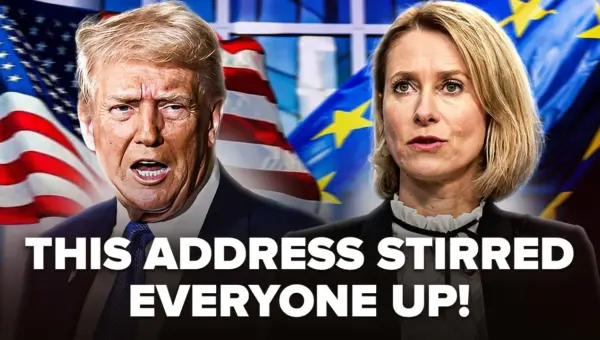
US Policy Shift Stuns Allies, Weakens Global Security
US policy shifts regarding Ukraine, the Strait of Hormuz, and NATO are raising concerns among allies and creating global instability. Critics point to a lack of strategic planning and diplomatic consultation, potentially emboldening adversaries and undermining international security.

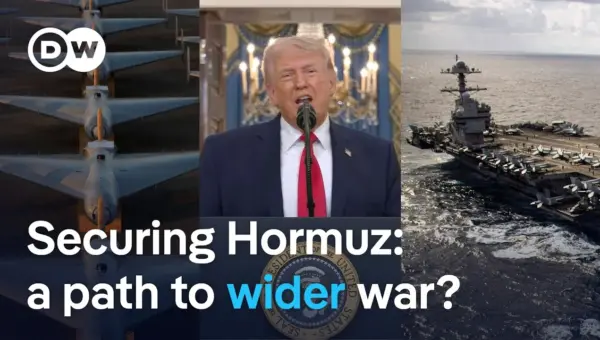
Strait of Hormuz Tensions Risk Wider Middle East War
Efforts to secure the vital Strait of Hormuz risk triggering a wider Middle East war, according to UN warnings and security analysts. The narrow waterway is crucial for global trade, and forcing it open against Iran's objections could escalate regional tensions dramatically. Experts highlight the complex geography, Iran's remaining military capabilities, and the involvement of regional players as key factors in the volatile situation.