Escapee Reveals Brutality: Fled Iran Amid War and Uprising
Ruseie Vafay, a dual national, detailed his harrowing escape from Iran amidst economic collapse, widespread protests, and war. He described facing detention and interrogation by the IRGC, who were particularly interested in his photos and political stances. Vafay also criticized mainstream media for allegedly downplaying the brutality of the regime and the scale of the January uprising.

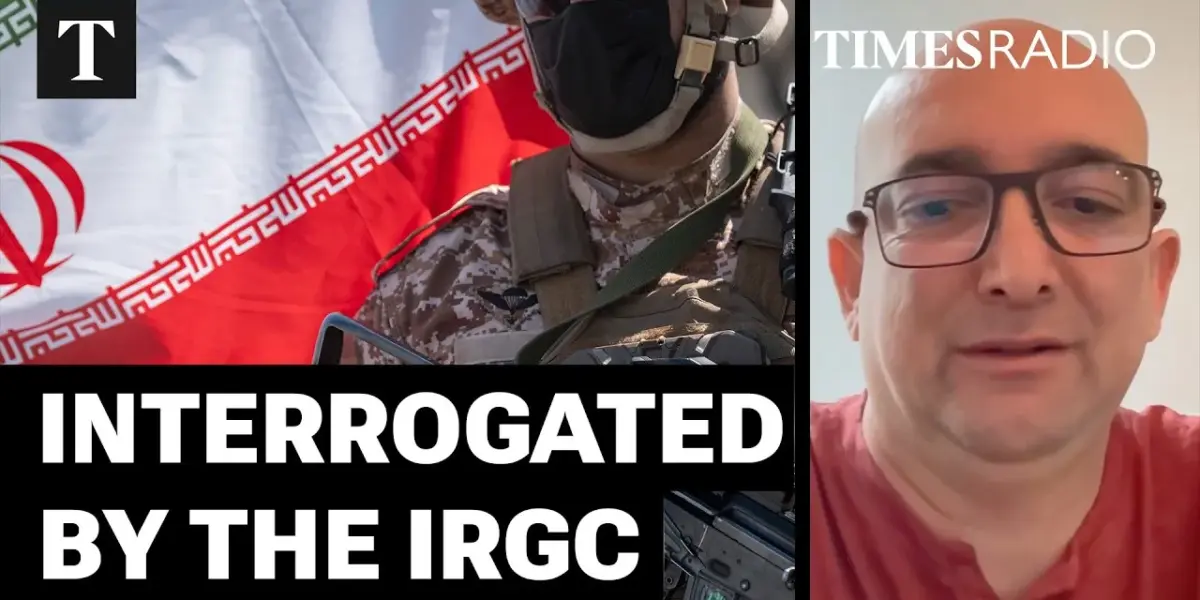
Dual National’s Harrowing Escape From Iran Amidst Unrest
Ruseie Vafay, a dual national, has publicly shared his harrowing experience of living in Iran and ultimately escaping the country amidst escalating conflict and internal dissent. Vafay, who initially went to Iran in August 2021 for a two-week visit to check on his father, found himself staying to manage his father’s affairs. This decision placed him directly in the path of mounting economic hardship, widespread protests, and ultimately, war.
Economic Collapse Fuels Public Anger
Vafay described the dire economic conditions within Iran, noting a dramatic devaluation of the currency. When he arrived, 25,000 tomans equaled one US dollar. By the time of his account, this ratio had soared to 155,000 or 160,000 tomans per dollar. This severe inflation meant that basic necessities became unaffordable for many. A single piece of bread, for instance, cost over 15,000 tomans, equivalent to about 30 cents. For context, Vafay’s former driver, who once earned a good salary equivalent to $400 a month, would now only make about $150.
Signs of Uprising: From Rumors to Defiance
Vafay’s “spidey senses” tingled in mid-2022 when rumors of Supreme Leader Khamenei’s death led to open celebrations in the streets of Tehran. He found this public display of joy over a dictator’s potential demise unusual and significant, especially in a dictatorship. This, coupled with the economic indicators, pointed to an impending upheaval. The catalyst, he predicted, was the death of Mahsa Amini, a Kurdish woman whose death sparked widespread protests. Vafay noted that even his Kurdish friends initially dismissed the potential for a large-scale reaction, but they were proven wrong.
The Woman, Life, Freedom Revolution: Hijab Defiance
The protests, which Vafay described as the “Woman, Life, Freedom” revolution in 2022, brought about a noticeable cultural shift, particularly regarding the mandatory hijab. Women, especially younger ones, began openly defying the law. Vafay observed women in Tehran, from the more affluent north to the south, discarding their hijabs and even wearing outfits that resembled Western fashion. This defiance carried significant risk, as violations could lead to lashing or beatings. Despite the presence of security forces like the Basij and the IRGC, people seemed to stop caring. The defiance extended to women riding motorcycles, an activity forbidden to them, often met with public encouragement.
The Bazaar Strikes and Infrastructure Failures
Following the protests, a new wave of unrest began in December with strikes in the bazaar, Iran’s vital marketplace that sets prices and forms the backbone of the city’s economy. Vafay explained that when the bazaar shuts down, it signals serious economic trouble. Store owners had been closing their shops for months prior due to the currency’s volatility, making it impossible to set prices. A commodity bought for $1 one day could cost $1.10 the next, creating an unsustainable business environment. This economic turmoil coincided with widespread electricity outages and water shortages, further destabilizing daily life.
War and Public Sentiment: Supporting the “Enemy”
Vafay lived through two wars, including a 12-day conflict where Israel bombed Iran. He recounted a profound moment with a taxi driver who pointed out the unprecedented situation of a population seemingly supporting the “enemy” bombing their country. Vafay realized the driver was referring to the public’s support for Israel during the war, a sentiment born out of deep dissatisfaction with their own regime. This observation significantly altered his perspective on the conflict and the people’s motivations.
Harrowing Escape: Detained and Interrogated by IRGC
Vafay’s escape from Iran was not a single event but a series of attempts. His first escape was during the Mahsa Amini protests, followed by another during the 12-day war, where he flew out of Mashhad after driving there due to nationwide shutdowns. His final escape, however, was more perilous. With the airspace closed, he drove to Armenia, where he faced multiple detentions and interrogations by the IRGC. He was hit, had guns pointed at him, and was repeatedly questioned about his entry dates into Iran and his activities.
Photos and Political Stances Raise Suspicion
During interrogations, IRGC officers were particularly interested in photos on Vafay’s devices. He had taken pictures of bombings and explosions due to his apartment’s vantage point. He explained that he was providing content because foreign journalists were absent, but the IRGC saw it differently. They also questioned his personal life, including why he was single and didn’t want a family. More problematic were images of an American flag combined with a royalist flag (an anti-regime symbol), his foot placed on an Islamic Republic flag, and photos of him running for office in South Carolina. He was asked about his connections to former Congressman Mark Sanford and his involvement with the Young Republicans and the Charleston County Republican Party.
Conditional Release and Broken Promises
Despite the sensitive nature of the photos and his perceived political leanings, Vafay was eventually released. The conditions included not speaking about his ordeal and agreeing to help the IRGC if they ever called upon him. Vafay acknowledged that he violated the non-disclosure agreement by speaking out. He also had to sign statements regretting his actions, such as placing his foot on the flag and combining the American and royalist flags. He also agreed not to photograph conflicts and to delete existing pictures.
The Truth About the Uprisings and Media Silence
Vafay’s primary motivation for speaking out is his belief that the information disseminated about the war and the uprisings is inaccurate. He criticizes mainstream media outlets like the BBC and CNN for not reporting on the thousands allegedly slaughtered during the January uprising. He cited his friends witnessing people being shot and a cemetery worker reporting thousands of body bags. He also recalled a UN official describing Tehran as a “family-friendly environment” on streets where people were being killed. Vafay feels that Iranian lives are not given the same media attention as other conflicts, despite the scale of brutality he witnessed.
A Call for Truth in Reporting
Vafay’s testimony highlights the stark contrast between the Iranian regime’s propaganda and the reality on the ground. His escape and subsequent willingness to speak, despite the risks and conditions of his release, underscore a desire for truth and accountability. He hopes his eyewitness account will shed light on the regime’s brutality and the suffering of the Iranian people, urging for more comprehensive and accurate reporting from international media.
Source: Escaped From Iran: How I Fled The IRGC And Defected In The Iran War (YouTube)

Related Articles
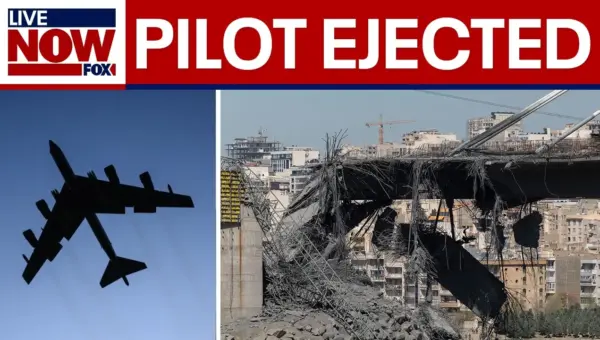
Iran Claims US Pilot Ejected; US Silent Amid Escalating Tensions
Iran claims a U.S. pilot ejected from a fighter jet over its territory, offering a reward for capture. The U.S. has not confirmed the report amid escalating regional tensions. Military experts discuss the strategic implications of U.S. strikes and the potential for internal change in Iran.
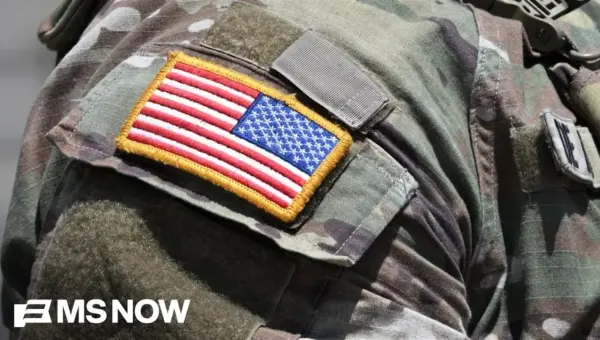
US Pilot Feared Lost in Iran; Search Underway
The U.S. military is conducting a search operation inside Iran for an American pilot whose fighter jet may have been downed. Details are limited, with uncertainty over whether the plane was shot down or suffered mechanical failure. The operation highlights the complexities of rescue missions in hostile territory and occurs amid heightened regional tensions.
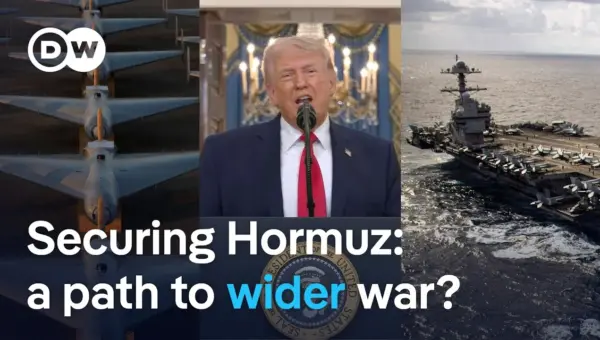
Strait of Hormuz Tensions Risk Wider Middle East War
Efforts to secure the vital Strait of Hormuz risk triggering a wider Middle East war, according to UN warnings and security analysts. The narrow waterway is crucial for global trade, and forcing it open against Iran's objections could escalate regional tensions dramatically. Experts highlight the complex geography, Iran's remaining military capabilities, and the involvement of regional players as key factors in the volatile situation.