US Special Forces Ready to Strike Iran’s Core
U.S. special operations forces and advanced aircraft are reportedly positioned for strikes against Iran as part of Operation Epic Fury. The strategy focuses on disrupting naval threats in the Straits of Hormuz and targeting Iran's core capabilities.

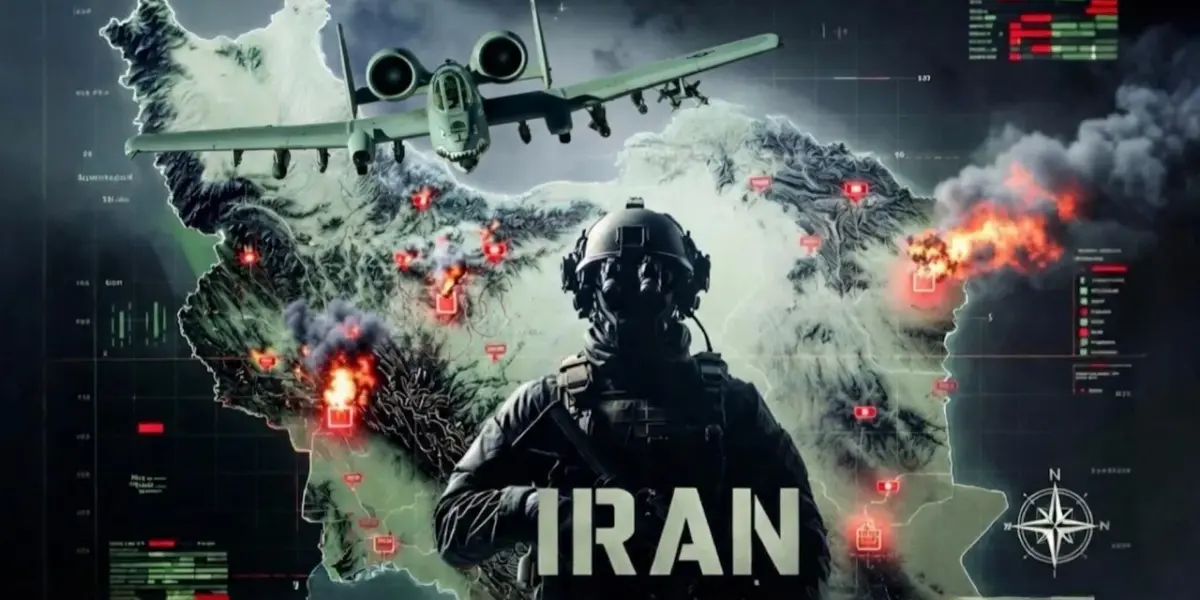
US Special Forces Ready to Strike Iran’s Core
The United States is reportedly deploying specialized military units and advanced aircraft into the Middle East as part of Operation Epic Fury. This buildup signals a potential escalation in operations targeting Iran, with a focus on disrupting its naval capabilities and critical infrastructure. The operation, now in its 33rd day as of April 1st, 2026, involves a coordinated effort between elite special operations teams and potent air support.
Air Power Backs Special Operations
Key assets like the A-10 Thunderbolt II (Warthog) and the AH-64 Apache attack helicopter are already active over southern Iran. These aircraft are reportedly targeting fast attack boats attempting to disrupt shipping in the vital Straits of Hormuz. The A-10, known for its powerful 30mm GAU-8 Avenger cannon, is described as highly effective against naval targets and provides crucial close air support. Advanced drones are also part of the aerial package, enhancing surveillance and strike capabilities.
Iran’s Rhetoric vs. Diplomatic Signals
Despite the military buildup, diplomatic signals from Iran remain mixed. Foreign Minister Abbas Agarachi has publicly rejected U.S. ceasefire proposals, calling them unrealistic and stating that U.S. messages lack trust. Iran has also threatened U.S. troops and urged regional allies to expel American forces. However, President Trump has indicated that a new, less radical Iranian president has requested a ceasefire. Trump stated that the U.S. would only consider ending hostilities once the Straits of Hormuz are fully reopened and free of obstruction. Iran, meanwhile, has claimed readiness for at least six more months of fighting.
Special Operations Forces Deployed
The core of the new offensive appears to center on U.S. special operations forces (SOF). While official numbers are not confirmed, estimates suggest between 500 to 1,000 SOF personnel are in the region. These units likely draw from the Joint Special Operations Command (JSOC), including the 75th Ranger Regiment, Navy SEALs, and Delta Force. These highly trained operators are suited for a range of missions, from direct action raids and airfield seizures to maritime interdictions and covert reconnaissance.
Ranger Capabilities
The 75th Ranger Regiment is identified as capable of rapid direct action raids, airfield seizures, and securing key terrain. Their ability to insert via parachute, helicopter, or boat offers significant flexibility for operations deep within Iranian territory or against specific IRGC (Islamic Revolutionary Guard Corps) naval locations.
SEAL Team Expertise
Navy SEALs bring specialized maritime expertise, including beach landings, vessel interdictions, underwater demolitions, and covert reconnaissance. Their skills are seen as vital for assessing battle damage, neutralizing coastal defenses, and ensuring the freedom of navigation in the Straits of Hormuz.
Delta Force Precision
Delta Force operators are likely tasked with high-value target operations, hostage rescues, and counter-terrorism missions. Their precision capabilities are highlighted, drawing parallels to past operations where high-value targets were eliminated or captured.
Strategic Objectives and Potential Missions
The deployment of SOF suggests a strategy focused on surgical strikes rather than a full-scale invasion. Potential missions include:
- Safeguarding and reopening the Straits of Hormuz through coastal raids and securing key choke points.
- Neutralizing Iranian naval assets, including fast attack craft and submarines, to eliminate threats in the waterways.
- Conducting covert reconnaissance to assess damage to critical sites, including potential nuclear facilities around Isfahan.
- Seizing or neutralizing strategic locations like Kharg Island, a major hub for Iran’s oil exports, though this mission would require established air superiority.
- Disrupting Iranian funding by targeting economic infrastructure, such as steel production and energy flows, to cripple the IRGC.
Air Support for Ground Operations
The integration of air assets is crucial for supporting SOF missions. The A-10 Warthog provides close air support with its formidable cannon and munitions. The AC-130J Ghostrider gunship offers significant firepower and sustained presence. Advanced drones like the MQ-9 Reaper provide real-time intelligence and targeting data. The AH-64 Apache helicopters can counter drone threats and provide close support. This combined arms approach aims to create a layered defense and offense, turning potential Iranian countermoves into easily neutralized threats.
Broader Military Context
The U.S. military posture involves over 50,000 troops in the broader region, with additional support from Marine Expeditionary Units and elements of the 82nd Airborne Division. This layered approach allows for rapid reinforcement and a flexible response to evolving battlefield conditions. The strategic goal appears to be degrading Iran’s ability to project power, particularly its naval forces and missile capabilities, while creating leverage for diplomatic negotiations.
Iran’s Response and Geopolitical Impact
Iran’s Revolutionary Guard Corps has claimed responsibility for drone and missile attacks on U.S. personnel in Saudi Arabia and previously in Dubai, though these claims have been denied by U.S. officials. These alleged attacks, along with ongoing missile fire towards Israel (intercepted by the Iron Dome), suggest Iran’s efforts to open secondary fronts and divert attention. The U.S. strategy of targeted SOF operations aims to avoid a protracted ground war, focusing instead on precise actions that can achieve significant strategic objectives with a limited footprint. The potential collapse of the IRGC’s funding and operational capacity through these targeted strikes could significantly alter the regional balance of power.
Strategic Implications
The deployment of U.S. special operations forces represents a significant strategic shift, emphasizing precision strikes and surgical disruption over large-scale conventional warfare. This approach allows the U.S. to exert significant pressure on Iran’s core capabilities, particularly its control over the Straits of Hormuz and its funding mechanisms, while maintaining flexibility for diplomatic engagement. The success of these operations hinges on maintaining air superiority and the ability to conduct complex, multi-domain missions with minimal risk to allied forces. The potential for internal divisions within Iran, as suggested by President Trump’s statements, could further amplify the impact of these targeted operations.
Source: U.S. Special Ops Are Ready to Unleash Hell on Iran (YouTube)

Related Articles
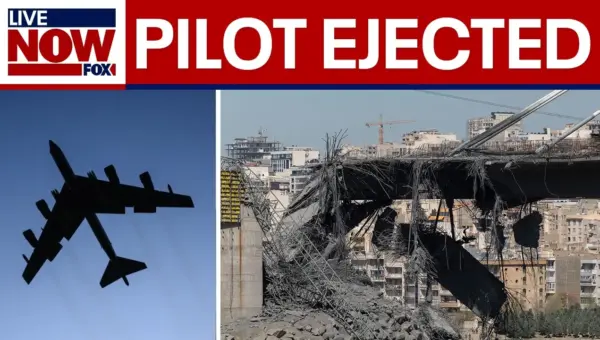
Iran Claims US Pilot Ejected; US Silent Amid Escalating Tensions
Iran claims a U.S. pilot ejected from a fighter jet over its territory, offering a reward for capture. The U.S. has not confirmed the report amid escalating regional tensions. Military experts discuss the strategic implications of U.S. strikes and the potential for internal change in Iran.
US Pilot Feared Lost in Iran; Search Underway
The U.S. military is conducting a search operation inside Iran for an American pilot whose fighter jet may have been downed. Details are limited, with uncertainty over whether the plane was shot down or suffered mechanical failure. The operation highlights the complexities of rescue missions in hostile territory and occurs amid heightened regional tensions.

Strait of Hormuz Tensions Risk Wider Middle East War
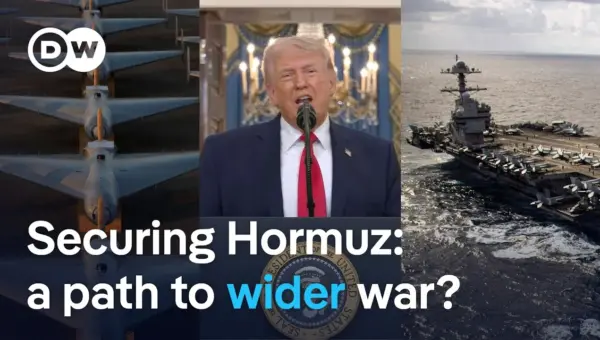
Efforts to secure the vital Strait of Hormuz risk triggering a wider Middle East war, according to UN warnings and security analysts. The narrow waterway is crucial for global trade, and forcing it open against Iran's objections could escalate regional tensions dramatically. Experts highlight the complex geography, Iran's remaining military capabilities, and the involvement of regional players as key factors in the volatile situation.