Ukraine Fields Exoskeletons on Front Lines
Ukraine has deployed advanced wearable exoskeletons to its front lines, enhancing artillery crews' physical capabilities. This rapid integration of technology aims to reduce soldier fatigue and increase combat effectiveness in contested areas like Pokrovsk. The move contrasts with slower development cycles in other major military powers, highlighting Ukraine's innovative approach to battlefield challenges.

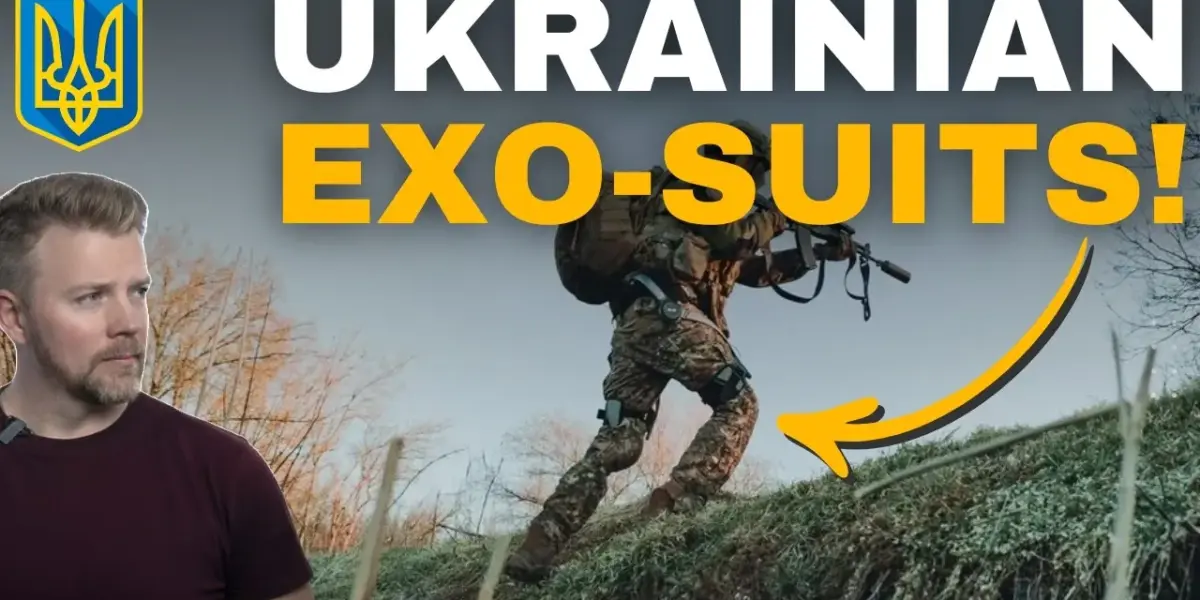
Ukraine Deploys Wearable Exoskeletons in Combat
Ukraine has taken a significant step in military technology by deploying wearable exoskeletons on the front lines. This move places Ukrainian forces at the forefront of battlefield innovation, with the nation testing advanced gear in active combat zones faster than many established military powers. The deployment focuses on enhancing the physical capabilities of soldiers, particularly those involved in demanding artillery roles.
Artillery Crews Face Extreme Physical Demands
The physical toll on soldiers in modern warfare is immense. The transcript highlights the extreme stress placed on artillery crews, who manually load heavy munitions. For example, loading 155 mm artillery shells, each weighing around 50 kg (110 lbs), requires repeated, strenuous full-body lifts. Artillery crews may handle 15 to 30 shells per shift, a task that pushes human endurance to its limits, especially under combat conditions.
This constant physical exertion leads to cumulative degradation of soldiers’ bodies. While vehicle losses are often highlighted, the wear and tear on the human body is a critical operational problem that directly impacts sustained combat effectiveness. The introduction of exoskeletons aims to directly address this issue by reducing physical strain.
147th Brigade Receives New Exoskeleton Technology
Ukraine’s 147th Separate Artillery Brigade, operating in the heavily contested Pokrovsk sector, is the first unit to receive these new exoskeletons. This brigade utilizes French Caesar self-propelled howitzers and Ukrainian-made Bodana BG towed 155 mm systems. The choice to deploy this advanced technology in such a critical and active area underscores Ukraine’s commitment to rapid battlefield testing and integration.
The deployed system is a leg exoskeleton constructed from aluminum alloy, weighing approximately 2 kg (4.4 lbs). It features rigid arcs with hinged joints at the thighs and knees, supported by two hip actuators. Designed to be compact, the system folds into a briefcase, making it easier for soldiers to transport. According to Ukrainian sources, the exoskeleton includes 10 operating modes and an AI mode that adapts to the load on the soldier’s legs and spine in real time.
Enhanced Performance and Endurance
Initial reports from the field indicate significant benefits. Colonel Vitali Seruk, deputy commander of the seventh corps, stated that test results showed soldiers experienced less fatigue, worked faster, and maintained combat effectiveness for longer periods. The exoskeleton is designed to reduce leg muscle load by an estimated 30%, contributing directly to a unit’s ability to sustain operations at a higher tempo.
The system can assist movements up to 20 km/h (12.4 mph) and support walking speeds of up to 17.5 km/h (10.9 mph). Operating effectively within a temperature range of -10 to 60° C (-14 to 140° F), it is built for harsh battlefield conditions. This technology helps soldiers carry heavy loads, estimated at up to 1,200 kg (2,645 lbs) of ammunition per soldier per day in some units, reducing the risk of injury and extending operational endurance.
Strategic Implications: The Techno Assault Concept
Ukraine’s approach to integrating exoskeletons is part of a broader strategy known as the “techno assault” concept. This initiative focuses on employing cutting-edge systems, particularly in air assault operations. The seventh rapid reaction corps, which received the exoskeletons, is also training soldiers to counter Russian FPV drone attacks using advanced simulation tools.
This strategic thinking reflects Ukraine’s recognition that human physical limitations are often the bottleneck in combat. By introducing mechanical assistance, Ukraine aims to make each soldier more capable and resilient. This is a critical adaptation, especially given Ukraine’s smaller manpower pool compared to Russia. The focus is on enhancing individual soldier performance rather than solely relying on increasing troop numbers.
Comparison with US Military Programs
The rapid deployment of exoskeletons in Ukraine contrasts sharply with the development timelines of similar technologies in the United States. While the US Army has research programs like Saber (a soft exoskeleton for spinal strain reduction) and Lockheed Martin’s Onyx (a lower body exoskeleton), these systems are still largely in the research and development phase and not yet standard issue.
Ukraine’s ability to field functional, albeit possibly less complex, exoskeleton technology in a live combat zone highlights a different approach to military procurement and innovation. Ukraine’s systems are reportedly faster to develop, cheaper (costing a few hundred to a few thousand dollars per unit), and already operational. This rapid field testing under extreme conditions allows for quicker feedback loops and faster iteration compared to traditional Western defense procurement cycles.
Broader Technological Push
The exoskeleton deployment is occurring alongside other advanced technology evaluations. Ukraine has also received two Phantom MK1 humanoid robots for battlefield assessment. These simultaneous evaluations of humanoid robots and wearable exoskeletons underscore a comprehensive effort to enhance soldier capabilities through technology.
This pattern of innovation has been evident throughout the conflict. Facing artillery shortages, Ukraine developed advanced drone capabilities. When armor replacements were slow, they focused on anti-armor systems and drone tactics. The exoskeleton represents the application of this same logic to the most fundamental military asset: the soldier’s body. The goal is to ensure soldiers remain functional and effective for longer durations, a critical factor in attritional warfare.
The implementation of exoskeletons is not intended to replace soldiers but to augment their physical capacity. This allows them to perform their duties more effectively and sustainably, reducing the long-term physical toll on veterans. As Colonel Seruk noted, a less exhausted soldier shoots better and can sustain operations longer, directly impacting mission success and the overall tempo of combat operations.
Source: Ukraine's Exoskeletons Are Changing Warfare Right Now (YouTube)

Related Articles


Russia Claims Luhansk Control Amid Diplomatic Stalls
Russia rejected Ukraine's Easter ceasefire proposal, citing unclear terms and shifting blame to Kyiv. Meanwhile, Moscow's claims of full control over Luhansk are contradicted by Ukrainian forces and battlefield data. The conflict's economic impact is also growing, with Ukrainian drone strikes significantly reducing Russia's oil export capacity.


Ukraine Strikes Russian Drone Base, Oil Exports Hit
Ukraine has successfully struck a key Russian drone training base in Crimea and significantly reduced Russia's oil export capacity. These actions coincide with ongoing diplomatic talks and highlight Ukraine's strategy of applying pressure deep within Russian territory.


Russia Wins Big as Mideast Crisis Diverts US Focus from Ukraine
The ongoing crisis in the Middle East has inadvertently become a major win for Russia, boosting its economy through higher oil prices and creating strategic geopolitical advantages. As global attention shifts away from Ukraine, Moscow finds itself in a stronger position, both economically and internationally.