Apple’s Secret Past: 10 Wild Facts You Never Knew
Discover the wild and little-known facts behind Apple's rise to tech dominance. From a one-button mouse and a Newton-inspired logo to a crucial investment from Microsoft, explore the strange and bold beginnings of the company.

Apple’s Strange Beginnings: 10 Facts That Reveal Its Unlikely Rise
Apple. The name instantly brings to mind sleek iPhones, powerful MacBooks, and a company that seems to have always been at the top. But the journey of this tech giant was anything but smooth. From a bizarre first logo to a surprising partnership that saved the company, Apple’s early days were filled with strange, bold, and unlikely twists.
1. The Original Macintosh Mouse Had Only One Button
When the Macintosh computer launched in 1984, it changed how people used computers with its easy-to-use graphics. A big part of this was its simple, cream-colored mouse. Unlike the multi-button mice we use today, this groundbreaking device had just one button. This wasn’t a mistake; it was a choice by Steve Jobs, inspired by minimalist designs. Apple stuck with this single-button design for a long time, only adding a scroll wheel in 1998 and more buttons in 2005. Jobs wanted the Mac to be simple enough for everyone, famously calling it “the computer for the rest of us.”
2. The Lisa Computer Was Named After Steve Jobs’ Daughter
Before the famous Macintosh, Apple released the Lisa computer in 1983. This machine was ahead of its time, with features like multitasking and a focus on documents. It was incredibly advanced, but it wasn’t a big seller. What many didn’t know was that the computer was named after Steve Jobs’ first child, Lisa Nicole Brennan Jobs. Jobs initially denied this, even making up a technical meaning for the name. However, he later admitted in a biography that the computer was indeed named for his daughter.
3. The First Apple Logo Featured Isaac Newton
Forget the iconic bitten apple. Apple’s very first logo, created in 1976 by co-founder Ronald Wayne, was a detailed drawing of Sir Isaac Newton sitting under an apple tree. It looked like a scene right before he discovered gravity. This complex image was hard to use, especially when printed small or in black and white. Steve Jobs quickly decided it needed a change. Within a year, the simpler, rainbow-striped apple logo designed by Rob Yanoff replaced it, creating the modern look we know today.
4. Susan Kare Designed Many Original Mac Icons and Fonts
If you’ve ever used a Mac, you’ve seen the work of Susan Kare. Hired in 1982, Kare brought an artistic touch to the early Macintosh. With a background in art and calligraphy, she designed many of the original icons and fonts that made the Mac so user-friendly. She created visual symbols that were easy to understand, making the computer feel approachable. Fonts like Chicago, Geneva, and Monaco, which became key parts of the Mac’s look, were also her creations.
5. Mac OS is Built on NeXTSTEP
The powerful operating system that runs modern Macs, macOS, has a surprising origin. Its foundation comes from NeXTSTEP, an advanced system developed by NeXT, Inc. This was the company Steve Jobs started after leaving Apple in 1985. In the mid-1990s, Apple was struggling and needed a new operating system. They bought NeXT in 1996, mainly to bring Jobs back and to use NeXTSTEP as the base for their next-generation OS. This move was crucial in modernizing Apple and setting the stage for its future success.
6. The Mac G4 Cube Had No Fan
In 2000, Apple unveiled the Power Mac G4 Cube, a desktop computer that was as much art as technology. This 8-inch cube, encased in clear acrylic, was striking. Its most amazing feature was that it had no internal cooling fan. To keep it quiet and sleek, Apple designed it to cool itself using natural air flow. Hot air rose out of the top, pulling cooler air in from the bottom. This fanless design made the G4 Cube incredibly silent, a unique feature for computers at the time.
7. The Macintosh Portable Was Surprisingly Heavy
Apple’s first attempt at a truly portable computer was the Macintosh Portable, released in 1989. The idea was to have a full Macintosh experience on the go. However, it was anything but light. This machine weighed a hefty 15.8 pounds (about 7.2 kg). That’s heavier than many desktop computers today. Despite its advanced features for the time, its large size and high price tag of $6,500 made it difficult to sell.
8. The Apple I Was Just a Circuit Board Kit
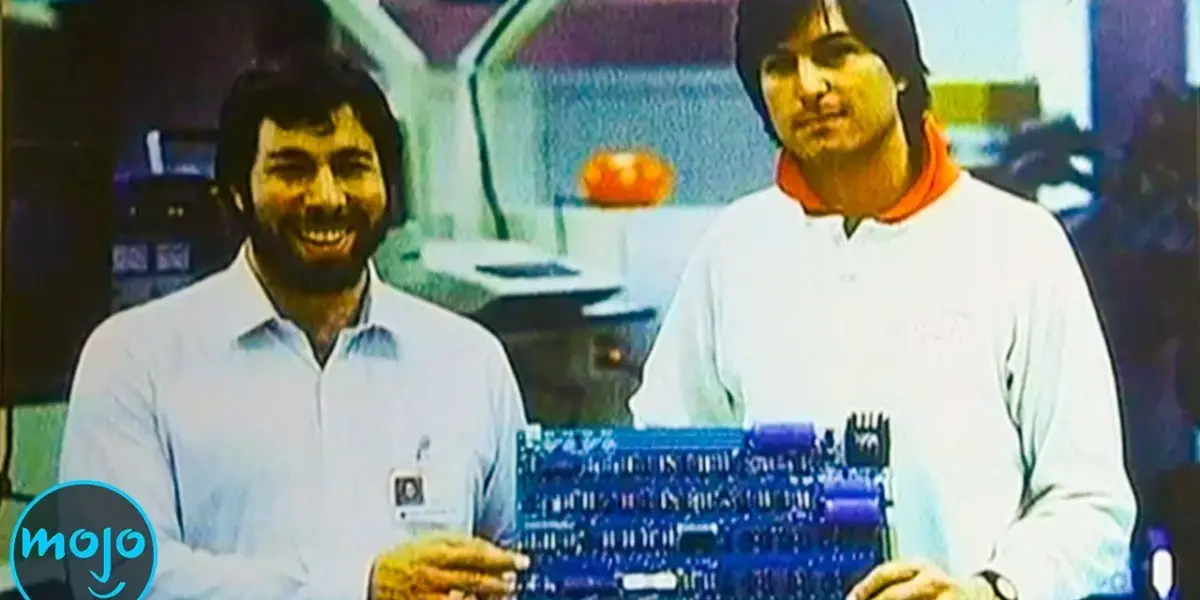
The Apple I, released in 1976, wasn’t a computer you could buy and use right away. It was a pre-assembled circuit board kit designed by Steve Wozniak for electronics hobbyists. Buyers had to provide their own power supply, keyboard, and monitor. Steve Jobs saw the potential in selling these pre-assembled boards instead of just plans. Fifty of these were sold to a computer store for $500 each, and then resold for $666.66. Today, a working Apple I is incredibly rare and can sell for hundreds of thousands of dollars.
9. Microsoft’s Investment Saved Apple
In 1997, Apple was on the verge of bankruptcy. Sales were down, and the company was struggling. Steve Jobs had just returned as interim CEO. In a move that shocked the tech world, Microsoft, Apple’s biggest rival, invested $150 million in Apple. This investment was part of a deal that also included Microsoft agreeing to make its Office software for Mac for five years. Jobs explained that Apple needed to stop seeing Microsoft as an enemy for it to succeed. This partnership was a crucial turning point that helped save Apple.
10. Ronald Wayne Was the Third Founder
Most people know Steve Jobs and Steve Wozniak as the founders of Apple. But there was a third co-founder, Ronald Wayne. Wayne, an experienced professional, was brought in to help manage the relationship between the two Steves. He owned 10% of the company and took on the financial risk. However, just 12 days after Apple was founded, Wayne sold his share back to Jobs and Wozniak for $800. He felt the startup was too risky and didn’t have a clear long-term vision. While understandable at the time, this decision is considered one of the biggest “what ifs” in Silicon Valley history.
Source: Top 10 Facts About Apple Computers You Never Knew (YouTube)

Related Articles


Apple’s Top 5 Products Revealed!
Apple celebrates 50 years with a ranking of its top 50 products. The original iPhone, M1 chip, and MacBook Air make the top 5. Discover the products that defined an era.
MacBook Buying Guide: Save Money in 2026
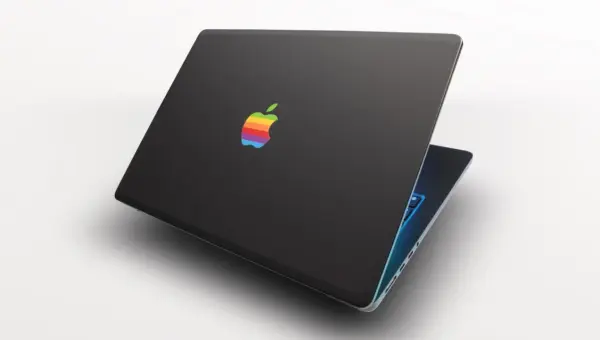
Choosing the right MacBook in 2026 can be confusing, but this guide simplifies it. We break down the MacBook Neo, Air, and Pro models, highlighting performance, features, and crucial upgrade considerations like RAM. Learn how to save money by picking the perfect Mac for your needs.

Apple Blocks AI Coding Tools, Risks Losing Developers
Apple is blocking AI-powered 'vibe coding' apps, which let anyone build software using plain English. This move risks alienating developers and contradicts Apple's founding mission. The decision could impact the App Store's future relevance.