Trump’s NATO Exit Threat: A Wake-Up Call for Europe
Former British Army Chief Lord Richard Dana suggests Donald Trump's threat to leave NATO is a wake-up call for Europe to increase its own defense spending. He warns of catastrophic economic impacts if Middle East conflicts drag on.

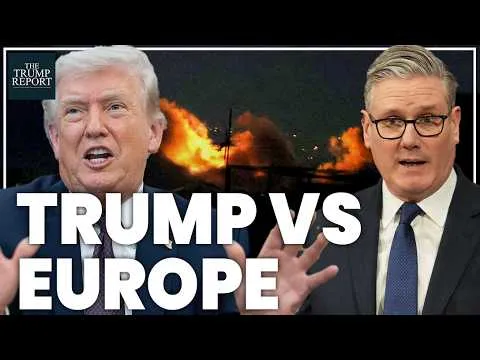
Trump’s NATO Exit Threat: A Wake-Up Call for Europe
Donald Trump has once again thrown a wrench into global politics, openly considering pulling the United States out of NATO. This isn’t just political talk; it’s a serious suggestion that could reshape world security. Lord Richard Dana, former head of the British Army, believes we must take this threat seriously. He suggests that while the US might do less for European security, it’s vital for Europe to keep the US within the alliance. This means Europe must significantly increase its own defense spending and capabilities.
Europe Must Step Up
Lord Dana points out that the United States provides many key military tools that other NATO members rely on. While Europe could eventually build these capabilities, it wouldn’t happen quickly. He feels it would be irresponsible for any US leader to abruptly end America’s involvement in NATO. Dana agrees with Trump on one key point: Europeans need to take more responsibility for their own security. He notes that many European nations have underfunded their militaries since the Cold War, a decision that is now showing its risks.
UK’s Shifting Role
The conversation also touched on the UK’s role. Lord Dana suggests that instead of focusing on sending troops to Central Europe, the UK should consider a stronger commitment to the Baltic states and Scandinavia. This shift makes sense for a northern European country. He also believes the UK must balance its long-standing close relationship with the United States with the need for stronger ties with Europe, especially on security matters. This dual approach is crucial for the UK’s foreign policy.
Middle East Tensions and Global Economy
The discussion also explored the ongoing conflict in the Middle East and its potential global impact. Lord Dana warned that if conflicts in the region were to last for four to six months, the world economy could face catastrophic effects. He predicted a widespread meltdown, affecting Europe, other parts of the world, and even China. China relies heavily on global trade, and a prolonged crisis could deplete its energy reserves, causing its own problems.
Historical Context: The Suez Crisis
Looking back, Lord Dana compared the current global security situation not to the Suez Crisis, but more to the 1967 and 1973 wars between Israel and its Arab neighbors. The Suez Crisis, he explained, was a poorly planned event where Britain and France tried to retake the Suez Canal. It marked a turning point, showing the UK’s reduced global standing and its increasing reliance on the United States. The current situation, however, is more complex, with the US facing criticism for starting a war without clear goals for ending it. This lack of clear strategy has put the US in a difficult position.
Why This Matters
Donald Trump’s threat to leave NATO is not just about the alliance; it’s a signal that the US might withdraw its security guarantees from Europe. This forces European nations to confront their own defense needs. If the US does reduce its commitment, Europe will have to spend more and work together more closely to protect itself. This could lead to a stronger, more independent Europe, but the transition period could be unstable. The potential economic fallout from prolonged Middle East conflicts also highlights how interconnected the world is and how fragile global stability can be. Nations must consider how to secure their energy supplies and maintain open trade routes in such uncertain times.
Implications and Future Outlook
The future of NATO, and indeed global security, hinges on how these challenges are met. If the US scales back its role, Europe will need to fill the gap. This could mean increased defense spending, closer military cooperation, and a more unified foreign policy. For countries like the UK, it means finding a new balance between transatlantic ties and European partnerships. The economic risks are also significant; a prolonged conflict could disrupt global trade and energy markets, impacting economies worldwide. The conversation suggests a need for strategic foresight and a willingness to adapt to a changing world order, where collective security might depend more on regional players than on a single superpower.
Source: NATO would ‘struggle’ but can survive without Trump | Former British Army Chief (YouTube)

Related Articles

Trump Ousts AG Bondi, Eyes Zeldin as Successor
Pam Bondi is out as Attorney General after one year, with Deputy AG Todd Blanche serving as Acting AG. President Trump confirmed the departure, praising Bondi and hinting at a new private sector role. Lee Zeldin is reportedly being considered as Bondi's permanent replacement, amid ongoing speculation about other cabinet changes.

US Policy Shift Stuns Allies, Weakens Global Security
US policy shifts regarding Ukraine, the Strait of Hormuz, and NATO are raising concerns among allies and creating global instability. Critics point to a lack of strategic planning and diplomatic consultation, potentially emboldening adversaries and undermining international security.

Trump’s NATO Insults Spark Global Outrage, Allies Push Back
Former U.S. President Donald Trump's leaked private remarks, filled with insults aimed at NATO allies, have sparked international outrage and calls for European self-reliance. The comments highlight growing concerns about U.S. reliability and the potential for a long-term split in transatlantic relations. The discussion also touched upon domestic UK issues, including NHS strikes and political shifts, alongside a unique debate on marmalade regulations.