Trump’s Iran Gamble: A Risky 15-Point Plan to Exit War
President Donald Trump's 15-point plan to exit the Iran war faces major hurdles due to Iran's unclear leadership and the demanding nature of the proposals. Recent events have destabilized Iran's power structure, leaving questions about who can negotiate and the potential for any agreement to be accepted domestically. The plan's far-reaching demands, including nuclear facility dismantlement and ending regional proxy support, could trigger instability within Iran if accepted.

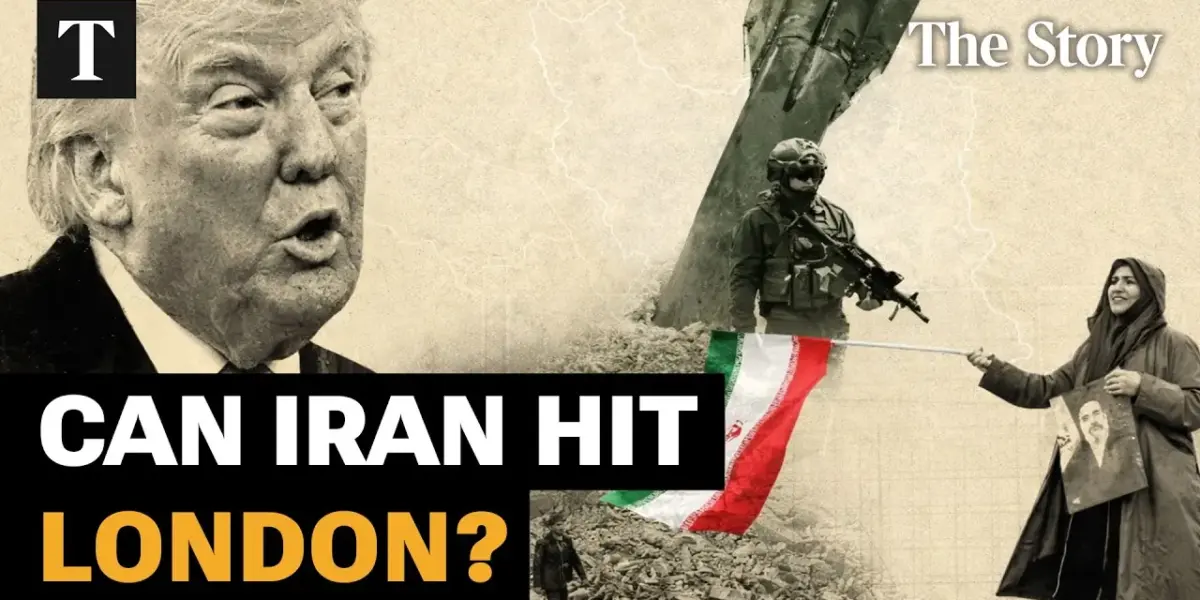
Trump’s Iran Gambit: A 15-Point Plan Sparks Negotiation Questions
In a developing international situation, President Donald Trump appears to be pursuing a strategy to withdraw from potential conflict with Iran, reportedly based on a 15-point plan. This initiative has raised significant questions about who within Iran holds the authority to negotiate and the true nature of these discussions. The complexity is heightened by recent events within Iran, including the elimination of key figures across various power bases, some of whom have been replaced by even more hardline individuals.
Who’s Talking? The Murky Waters of Iran Negotiations
The central puzzle is identifying the Iranian counterparts in these potential talks. Analysts note that recent purges have removed many senior officials, creating an unclear power structure. This has led to speculation that informal channels, possibly even direct phone calls, might be involved, as Trump has engaged in similar communications in the past. The effectiveness of these talks is further questioned, with one observer suggesting America is “negotiating with themselves” due to internal divisions.
Market reactions to Trump’s announcements of negotiations have been positive, with stock markets rallying. However, the specifics of these discussions remain unknown. It’s unclear if they involve high-level diplomatic exchanges or more informal communications. The reported upcoming talks in Pakistan also face uncertainty, as potential attendees may fear becoming targets following the recent assassinations within Iran’s leadership.
The Power Vacuum: Supreme Leader’s Silence and Shifting Authority
A significant indicator of Iran’s internal dynamics is the conspicuous silence of its new Supreme Leader. Unlike previous years, the leader did not deliver a New Year’s address, with his message instead being read by a news anchor. This has fueled speculation about his health or even his status, suggesting a potential power vacuum or instability at the highest level of the regime.
The traditional figures for negotiation, such as President Hassan Rouhani or senior IRGC (Islamic Revolutionary Guard Corps) officials like Ali Larijani, appear to be sidelined. Larijani, known for his pragmatism and experience in dealing with the West, is reportedly deceased. This leaves a void, with the potential for a figure like Mohammad Bagher Ghalibaf, the former mayor of Tehran, to emerge. However, Ghalibaf’s past is clouded by corruption allegations and his survival depended on the backing of the previous Supreme Leader, raising questions about his current influence.
The 15 Points: Demands That Could Reshape Iran
While the full 15-point plan has not been officially released, reports suggest it includes extremely demanding concessions from Iran. These reportedly include:
- Ensuring the Strait of Hormuz remains a free maritime zone, without Iranian tolls.
- Dismantling nuclear facilities at Natanz, Isfahan, and Fereydun, with oversight by the International Atomic Energy Agency (IAEA).
- Abandoning the use of regional proxies like Hezbollah and the Houthis.
- Cessation of all nuclear enrichment on Iranian soil, with all enriched material handed over to the IAEA.
These demands are considered highly consequential and potentially humiliating for Iran. Analysts argue that any Iranian leader agreeing to such terms would likely face swift overthrow, especially at a time when Iran perceives itself as gaining the upper hand in the conflict.
Internal Rallies and External Pressures
The war has, paradoxically, led to a rallying effect within Iran, with even domestic protestors expressing anger over the conflict and its victims. This nationalistic sentiment makes accepting a plan that leaves Iran weakened and humiliated politically untenable for any leader.
The broader implications of Trump’s strategy are also being considered. While the U.S. is deploying military personnel, the focus remains on avoiding a large-scale ground invasion. However, the possibility of escalating tensions remains, especially given the history of U.S. involvement in the region and figures like Pete Hegseth at the Pentagon who may be advocating for a more aggressive stance.
Missile Capabilities and Regional Stability
Questions linger about Iran’s missile capabilities and their range. While Iran has historically claimed its missiles do not extend beyond 2,000 km, recent events suggest a longer reach, potentially posing a threat to European targets. However, the effectiveness of these missiles is debated, with reports of Iran’s attack rate slowing and successful interceptions by Israeli and U.S. forces.
The strategy of asymmetric warfare, employing low-cost drones against expensive interceptor missiles, has been highlighted as a key Iranian tactic. This, combined with control over the Strait of Hormuz, allows Iran to exert significant influence despite potential limitations in its missile stockpiles. The threat of cyber-attacks and terrorist cells also remains a significant concern for Western nations.
Gulf Nations’ Restraint and Economic Imperatives
Despite facing missile and drone attacks, Gulf nations like Saudi Arabia and the UAE have largely refrained from retaliatory strikes. This restraint is attributed to a shared interest in regional stability, crucial for their economic development plans, such as Saudi Arabia’s NEOM project. A full-blown regional war would jeopardize these ambitions.
There is also growing anger within these nations towards both Iran for initiating attacks and, in some cases, towards the U.S. for perceived insufficient security guarantees. This could lead to a strategic pivot away from American influence, potentially towards China, in the future.
Economic Repercussions and Trump’s Political Calculus
The conflict’s impact on global energy prices, particularly gasoline in the U.S., is a significant factor in Trump’s political calculations. Historically, rising gas prices have been a sensitive issue for his voter base. While the U.S. is largely energy independent, fluctuations in global oil markets can still affect domestic prices and public perception.
The discussion also touches on the potential for domestic political fallout for Trump if rising prices alienate his working-class supporters. This could influence his decisions regarding the Iran conflict, potentially leading him to de-escalate if economic concerns outweigh other strategic objectives.
Looking Ahead: Uncertainty and Shifting Alliances
The situation remains fluid, with significant uncertainty surrounding the outcome of Trump’s 15-point gamble. The internal power dynamics in Iran, the effectiveness of international diplomacy, and the economic consequences of the conflict will all play crucial roles. The potential for shifting geopolitical alliances in the Gulf region also adds another layer of complexity, suggesting that the long-term repercussions of this standoff could extend far beyond the immediate conflict.
Source: The 15-Point Gamble: Trump’s Strategy to Exit the Iran War (YouTube)

Related Articles

Trump Weighs War Exit Amid Iran Strikes and Internal Debate
President Trump is reportedly facing internal debate over how to end the escalating conflict with Iran, according to a new Time Magazine report. While publicly vowing to increase strikes, privately Trump seeks an "off-ramp" to declare victory and avoid domestic backlash, even as advisors express surprise at Iran's retaliatory attacks.

Trump Ousts AG Bondi, Eyes Zeldin as Successor
Pam Bondi is out as Attorney General after one year, with Deputy AG Todd Blanche serving as Acting AG. President Trump confirmed the departure, praising Bondi and hinting at a new private sector role. Lee Zeldin is reportedly being considered as Bondi's permanent replacement, amid ongoing speculation about other cabinet changes.


US Pilot Feared Lost in Iran; Search Underway
The U.S. military is conducting a search operation inside Iran for an American pilot whose fighter jet may have been downed. Details are limited, with uncertainty over whether the plane was shot down or suffered mechanical failure. The operation highlights the complexities of rescue missions in hostile territory and occurs amid heightened regional tensions.