US Eyes Ukraine Land Swap to Ease Oil Crisis
The U.S. is reportedly considering a territorial concession from Ukraine to Russia to end the conflict, driven by fears of soaring global oil prices. This strategic shift comes as 'Operation Epic Fury' in the Persian Gulf continues to disrupt oil flow through the Strait of Hormuz.

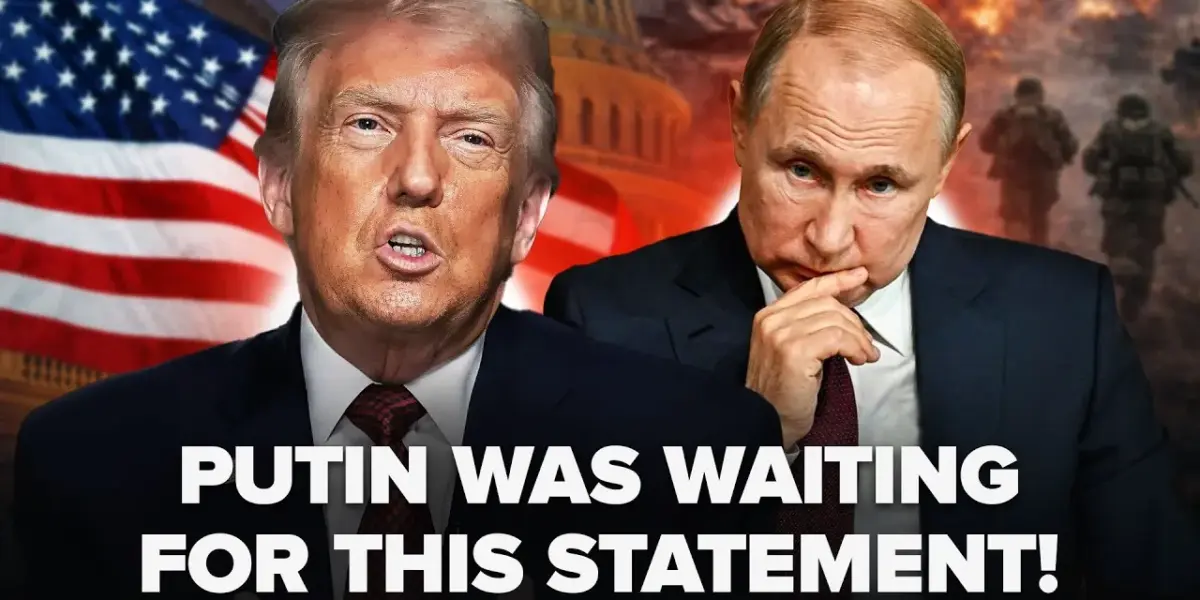
US Considers Ukraine Territorial Concessions Amidst Global Oil Price Fears
The United States may be considering a controversial strategy to end the conflict in Ukraine: a territorial exchange. Reports suggest that President Trump’s administration is exploring the possibility of Ukraine ceding territory to Russia in exchange for peace. This potential move appears driven by concerns over rising global oil prices, which analysts believe are directly linked to ongoing tensions in the Persian Gulf.
Operation ‘Epic Fury’ and the Strait of Hormuz
The analysis stems from the ongoing ‘Operation Epic Fury,’ a military operation in the Persian Gulf that has disrupted oil shipments. The closure of the Strait of Hormuz, a critical chokepoint for global oil transport, has sent oil prices soaring. The White House is reportedly worried about oil reaching $200 a barrel, with scenarios of $150 per barrel already being discussed. The administration sees securing Russian oil as a potential way to stabilize prices, even as Russia faces sanctions.
This situation has complicated diplomatic efforts. A planned meeting between President Trump and Chinese President Xi Jinping has been postponed, seemingly because the anticipated swift conclusion of ‘Operation Epic Fury’ did not occur as expected. The prolonged conflict in the Gulf means the Strait of Hormuz remains effectively closed, a reality that cannot be easily postponed.
Shifting Alliances and Diplomatic Maneuvers
While the United States grapples with oil price volatility, Ukraine is seeking new avenues of support. President Zelenskyy has reportedly received signals from some allies about potentially reducing long-range strikes on Russia’s oil sector due to global energy price hikes. This indicates a complex web of international pressures influencing decisions regarding the conflict.
In response, Ukraine is strengthening ties with Persian Gulf countries. President Zelenskyy has engaged in meetings with leaders from these nations, recognizing their significant influence with the current U.S. administration. This strategic outreach aims to build a broader coalition of support, moving beyond traditional European and American partnerships.
The situation is no longer a simple chessboard; it’s becoming three or even four-dimensional chess with more players entering the European war.
European nations, heavily reliant on Gulf oil, are finding themselves in a delicate position. While they support Ukraine, they are also seeking reduced attacks on Russian oil infrastructure. Meanwhile, Persian Gulf countries, major oil exporters, are increasingly looking to Ukraine for expertise in defending against Iranian drone attacks. This creates a unique leverage for Ukraine, as these Gulf nations now require Ukrainian experience and specialists.
US Stance on Strait of Hormuz and European Responsibility
The Trump administration has indicated a willingness to conclude the conflict with Iran even if the Strait of Hormuz remains blocked. The Wall Street Journal reports that the White House believes a forced reopening would require a prolonged and risky military operation, potentially expanding the conflict. Instead, the U.S. appears to favor a negotiated settlement, accepting temporary Iranian control over the strait.
The administration’s argument is that while the closure impacts global trade, it is less critical to American energy needs. The U.S. views the potential reopening of the Strait of Hormuz as a global problem that should be a shared burden. If European countries are unwilling to provide direct military support for reopening the strait, the U.S. suggests they must take greater responsibility for resolving the issue through diplomatic and other pressures.
Symbolic Russian Delegation Visit
In a separate development, for the first time since 2022, Russian State Duma deputies visited the United States at the invitation of a Republican congresswoman. The U.S. Treasury Department also removed several Russian individuals and one company from its sanctions list. This visit, led by the grandson of Vyacheslav Molotov, a key figure in Soviet foreign policy, is seen by some analysts as largely symbolic and potentially a public relations effort.
Experts suggest that while such meetings may generate headlines, the actual decision-making power rests with higher-level officials. The congresswoman involved is noted for using such events for personal publicity, framing discussions around strategic stability and nuclear weapons, separate from the ongoing war in Ukraine. However, behind these public displays, more significant negotiations may be occurring involving individuals with actual influence.
The analyst expressed disappointment at seeing Russian officials, who support the war and annexation of Ukrainian territory, present in the U.S. instead of facing international justice, such as at The Hague.
Source: 😱Trump’s emergency ultimatum! Putin summoned everyone to Kremlin. Zelenskyy responded (YouTube)

Related Articles


Oil Shock: Hormuz Closure Triggers Global Financial Crisis
A prolonged closure of the Strait of Hormuz could trigger a global financial crisis, leading to soaring energy prices, bond market instability, and a stock market crash. Analysts warn of potential job losses and asset devaluation, with limited safe havens for investors.


China’s Global Reach Faces Setbacks Amidst Internal Turmoil
China's international influence is facing growing opposition and internal challenges. From strategic island disputes and diplomatic overtures towards Taiwan to domestic unrest and technological failures, Beijing's global ambitions are encountering significant setbacks. These events signal a complex geopolitical landscape where China's power is being tested on multiple fronts.


Iran Downs US Jet, Escalating Mideast Tensions
Iran has reportedly shot down a U.S. fighter jet, prompting immediate search and rescue operations for the downed airmen. This incident significantly escalates regional tensions and could alter ongoing U.S. military plans against Iran. The event highlights the volatile nature of the Middle East and the potential for miscalculation.