Oil Prices Surge Amid Middle East Tensions; Synagogue Attack Linked to Hezbollah
Gas prices have surged to $4 a gallon due to disruptions in the Strait of Hormuz, a critical oil transit point. Meanwhile, the FBI has linked a recent Michigan synagogue attack to the Hezbollah terror group, raising security concerns. These events underscore the interconnectedness of global stability and personal economics.

Oil Prices Surge Amid Middle East Tensions; Synagogue Attack Linked to Hezbollah
Gas prices are climbing quickly, with the average cost reaching $4 a gallon nationwide on Tuesday. This marks the highest price since August 2022, a period when Russia’s conflict with Ukraine began. Prices have jumped by more than a dollar in just the last month. These rising costs are largely due to disruptions in global energy supplies, particularly through the vital Strait of Hormuz.
Decisive Days Ahead in Iran Conflict
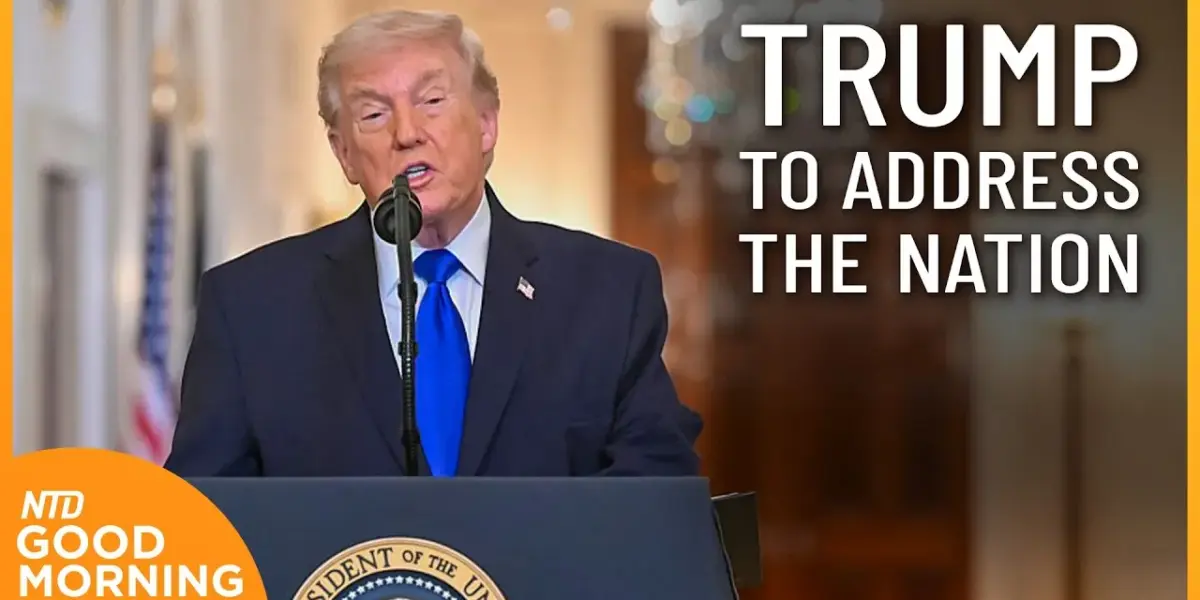
Defense Secretary Pete Hegseth and Chairman of the Joint Chiefs of Staff General Dan Caine stated at a news conference that the coming days will be critical in the war with Iran. President Trump also posted on social media, urging other nations to secure their own oil supplies by taking control of the Strait of Hormuz. This call suggests a potential shift in international responsibility for maintaining safe passage for oil tankers.
FBI Links Michigan Synagogue Attack to Hezbollah
The FBI has announced that an attack on a synagogue in Michigan earlier this month was inspired by the Hezbollah terror group. Investigators identified the suspect as 41-year-old Ayman Ghazali. He reportedly chose Temple Israel in West Bloomfield because of its large congregation. Authorities revealed that Ghazali spent several days planning the attack. His preparations included researching synagogues and finding out the times for lunch services.
Why This Matters
The sharp rise in gas prices directly impacts the daily lives of millions, affecting everything from commuting costs to the price of goods. This economic pressure can create widespread public concern and influence policy decisions. The ongoing tensions in the Middle East, especially concerning the Strait of Hormuz, are a major factor. This strait is a critical chokepoint for global oil transport, meaning any instability there has immediate and far-reaching economic consequences.
Furthermore, the FBI’s findings about the synagogue attack highlight the growing threat of religiously or ideologically motivated violence. Linking the suspect’s actions to a known terror group like Hezbollah raises serious questions about the spread of extremist ideologies and the potential for future attacks. It underscores the need for vigilance and cooperation between law enforcement and intelligence agencies to prevent such incidents.
Historical Context and Trends
The Strait of Hormuz has long been a strategically important waterway, with past incidents and threats to its security leading to significant price volatility in global oil markets. Historically, disruptions in this region have often been tied to geopolitical conflicts and efforts by various actors to exert influence or retaliate against perceived adversaries. The current situation appears to be a continuation of these long-standing dynamics, amplified by current global events.
The rise of religiously and politically motivated extremism is a trend that has concerned security experts for years. Attacks inspired by international terror groups, even when carried out by individuals, pose a complex challenge. This trend suggests that extremist propaganda and influence can reach individuals far from traditional conflict zones, requiring a broader approach to counter-terrorism that includes monitoring online activity and addressing root causes of radicalization.
Future Outlook
The immediate future likely holds continued volatility in oil prices as long as tensions in the Middle East persist. Any further escalation or disruption in the Strait of Hormuz could push prices even higher, potentially leading to broader economic slowdowns. International diplomatic efforts will be crucial in de-escalating the situation and ensuring the free flow of oil.
On the security front, law enforcement agencies will likely increase their focus on monitoring potential threats inspired by extremist groups. This could involve enhanced intelligence gathering and community outreach programs aimed at preventing radicalization. The incident also highlights the ongoing need for robust security measures at places of worship and other public gatherings.
The confluence of rising energy costs and security concerns presents a complex challenge for both policymakers and the public. Understanding these interconnected issues is key to navigating the current environment.
Source: Trump to Give Iran Update; SCOTUS to Hear Birthright Citizenship Case | NTD Good Morning (April 1) (YouTube)

Related Articles

Iran Conflict Escalates: Infrastructure Attacks Spark Global Economic Fears
The conflict in Iran has escalated dramatically, with the U.S. targeting critical infrastructure like bridges. Iran is retaliating by attacking energy assets in the Gulf. This "infrastructure warfare" risks severe global economic consequences, including soaring oil prices and increased inflation.


Oil Shock: Hormuz Closure Triggers Global Financial Crisis
A prolonged closure of the Strait of Hormuz could trigger a global financial crisis, leading to soaring energy prices, bond market instability, and a stock market crash. Analysts warn of potential job losses and asset devaluation, with limited safe havens for investors.


US Policy Shift Stuns Allies, Weakens Global Security
US policy shifts regarding Ukraine, the Strait of Hormuz, and NATO are raising concerns among allies and creating global instability. Critics point to a lack of strategic planning and diplomatic consultation, potentially emboldening adversaries and undermining international security.