Slovakia’s PM Undermines EU Unity on Ukraine Aid
Slovakia's Prime Minister Robert Fico is accused of undermining EU unity by halting military aid to Ukraine and echoing Kremlin narratives. This policy shift risks isolating Slovakia and is driven by domestic political calculations, according to the country's opposition. The situation highlights growing divisions within Central Europe regarding support for Kyiv.

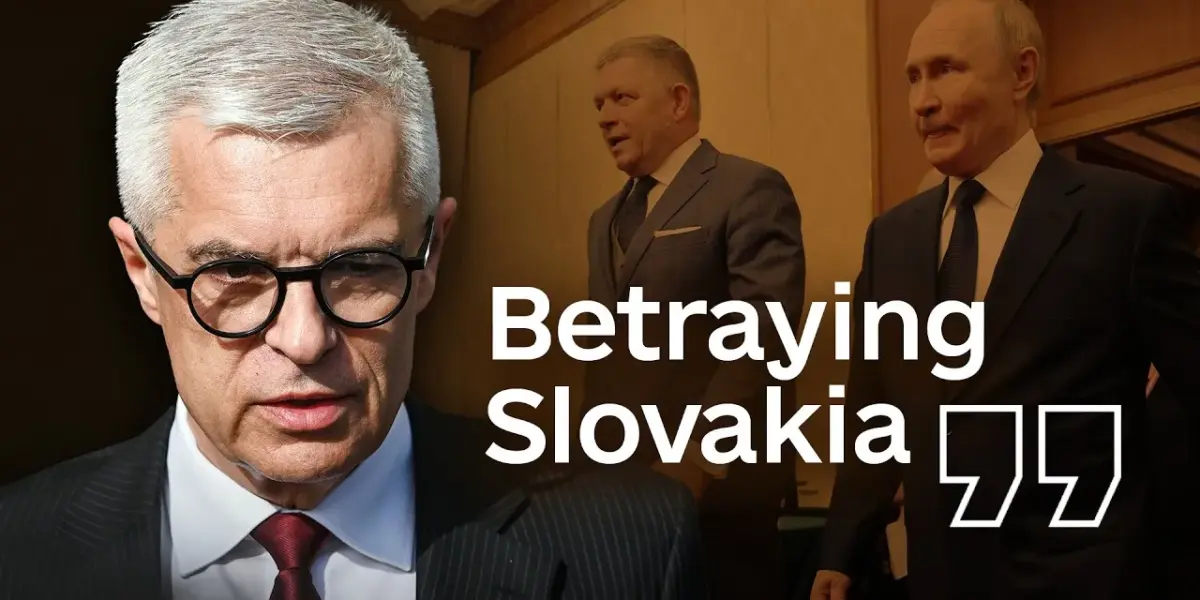
Slovakia’s Prime Minister Robert Fico is actively undermining European Union unity and credibility by halting military aid to Ukraine and echoing Kremlin narratives. This stance risks isolating Slovakia within NATO and the EU, according to the country’s former Foreign Minister and current opposition leader, who spoke out against Fico’s policies.
The invasion of Ukraine by Russia on February 24, 2022, marked a critical moment for European security. At that time, the previous Slovak government strongly condemned Russia’s unprovoked aggression. The current government, led by Prime Minister Robert Fico, has taken a dramatically different path. Fico has stopped all military aid to Ukraine since taking office and has frequently voiced positions aligned with Moscow. He has also visited Russia and often repeats narratives originating from the Kremlin regarding the conflict.
Slovakia’s Shifting Stance
This shift in policy has significant consequences for Slovakia’s standing within the European Union and NATO. “This is a disastrous position that the current Slovak government is presenting towards Ukraine,” stated the former Foreign Minister. The government’s actions are seen as “basically siding with Moscow” and spreading Russian narratives that incorrectly place blame on Ukraine for the aggression. This approach is viewed as damaging the crucial unity of the European Union, which is essential for supporting Ukraine.
The former minister emphasized that Fico’s stance does not represent the views of all Slovak citizens. “Please believe me, what Fico is representing is not the position of entire Slovak citizens,” he asserted. Opposition parties in Slovakia, including Progressive Slovakia, are actively communicating their alternative position to Ukrainian representatives and partners. They have met with Ukrainian President Zelenskyy and maintain ongoing contact to show that a pro-European alternative exists within Slovakia.
Questioning Fico’s Pragmatism
Fico is sometimes described as a pro-Kremlin politician, while others label him a pragmatist who adapts his message for domestic audiences versus EU officials. However, the former minister rejects the notion of pragmatism in this context. “Pragmatism for me means nothing when he is betraying the national interest of Slovakia,” he argued. Fico’s actions are seen as divisive, mobilizing and splitting Slovak society over the tragedy in Ukraine. This behavior, regardless of where it is expressed, is eroding Slovakia’s credibility and influence within the EU.
Economic Disputes and Misinformation
Slovakia, along with Hungary, has accused Ukraine of blackmail regarding the transit of oil. Fico even blocked electricity and fuel exports to Ukraine and has opposed EU sanctions against Russia. The former minister clarified the economic realities, stating that the Russian aggression is the cause of economic consequences for Slovakia. The EU’s decision to halt oil and gas imports from Russia is a direct result of this aggression. He dismissed claims that Ukraine damaged its own oil infrastructure as “ridiculous.”
“While Fico is every morning missing Russian oil, President Zelenskyy is missing peace.”
He highlighted the fundamental difference in understanding the situation: opposition parties understand Ukraine’s right to self-defense and its efforts to weaken Russia’s ability to fund the war. To deescalate tensions, he suggested allowing a European fact-finding mission to assess the state of oil infrastructure, arguing that this would depoliticize the issue, which has been politicized by leaders like Fico and Hungarian Prime Minister Viktor Orbán.
Central Europe’s Shifting Alignments
The trend of skepticism towards supporting Ukraine is not isolated to Slovakia. Hungary has often acted as a spoiler within the EU, blocking sanctions and aid. Now, Slovakia has adopted similar positions. Even in Poland, the current president has adopted a more critical stance than his predecessor. The former minister believes the primary driver for these shifts is domestic politics. Leaders are “misusing the Ukrainian tragedy to maintain and drive division within the country.” This strategy plays on existing pro-Russian sentiments among some segments of the population.
If Hungarian Prime Minister Viktor Orbán were to lose the upcoming election, Fico has indicated he would continue Orbán’s role as an opposition force against Ukraine within the EU. This would leave both Hungary and Slovakia isolated in their positions. Fico’s actions, such as blocking the EU’s 20th sanctions package and a €90 billion loan for Ukraine, demonstrate a clear intention to continue this obstructionist policy.
Restoring Trust and Credibility
The question of whether the EU should consider limiting voting rights for member states that consistently block foreign policy decisions was raised. However, the former minister refrained from commenting on this internal EU matter, emphasizing the need to avoid giving the Hungarian government reasons to claim interference. He stressed that Hungarian elections are for Hungarians to decide, but the outcome will be a test of Orbán’s illiberal governance model and its impact on EU unity during a critical period for European security.
For Slovakia to restore trust with Ukraine and EU partners after a potential change in government, the opposition plans to continue its “parallel diplomacy.” This involves actively engaging with international partners to explain that a pro-European alternative exists in Slovakia. The survival of Ukraine within its internationally recognized borders is seen as a Slovak national interest, making support for Ukraine a pro-Slovak policy, not merely pro-Ukrainian.
Challenges Ahead
Reversing Fico’s foreign policy course presents challenges, including Slovakia’s dependence on Russian oil and gas and a segment of the population skeptical of aiding Ukraine. However, the opposition remains confident. They are actively engaging with citizens across Slovakia, who they believe are increasingly aware that the current government’s actions are against Slovak interests. The decision rests with Slovak citizens in the upcoming parliamentary elections, who will choose between continuing Fico’s perceived anti-Slovak policies or opting for change and a different future for the country.
Source: Central Europe’s shift against Ukraine, explained (YouTube)

Related Articles
Canada Hits NATO’s 2% Defense Spending Target
Canada has finally met NATO's 2% of GDP defense spending target, a goal set in 2014. However, the country's actual military contributions and aid to Ukraine have been significant for years, often exceeding what the spending percentage reflects. Analysts emphasize that actual capabilities and strategic actions matter more than a simple financial benchmark.
US Policy Shift Stuns Allies, Weakens Global Security
US policy shifts regarding Ukraine, the Strait of Hormuz, and NATO are raising concerns among allies and creating global instability. Critics point to a lack of strategic planning and diplomatic consultation, potentially emboldening adversaries and undermining international security.
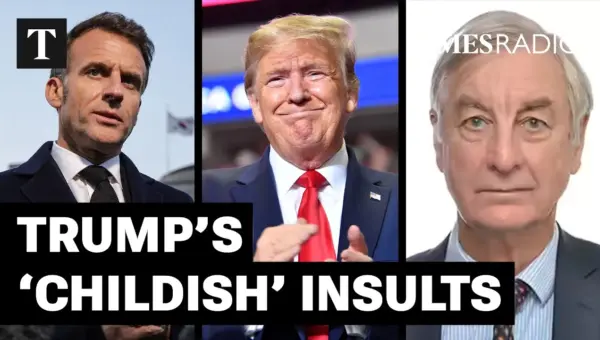
Trump’s NATO Insults Spark Global Outrage, Allies Push Back
Former U.S. President Donald Trump's leaked private remarks, filled with insults aimed at NATO allies, have sparked international outrage and calls for European self-reliance. The comments highlight growing concerns about U.S. reliability and the potential for a long-term split in transatlantic relations. The discussion also touched upon domestic UK issues, including NHS strikes and political shifts, alongside a unique debate on marmalade regulations.