Supreme Court Weighs Birthright Citizenship Future
The Supreme Court is hearing Trump v. Barbara, a case challenging birthright citizenship for children of undocumented immigrants. The decision could impact future demographics and labor markets, though immediate market effects are unlikely.

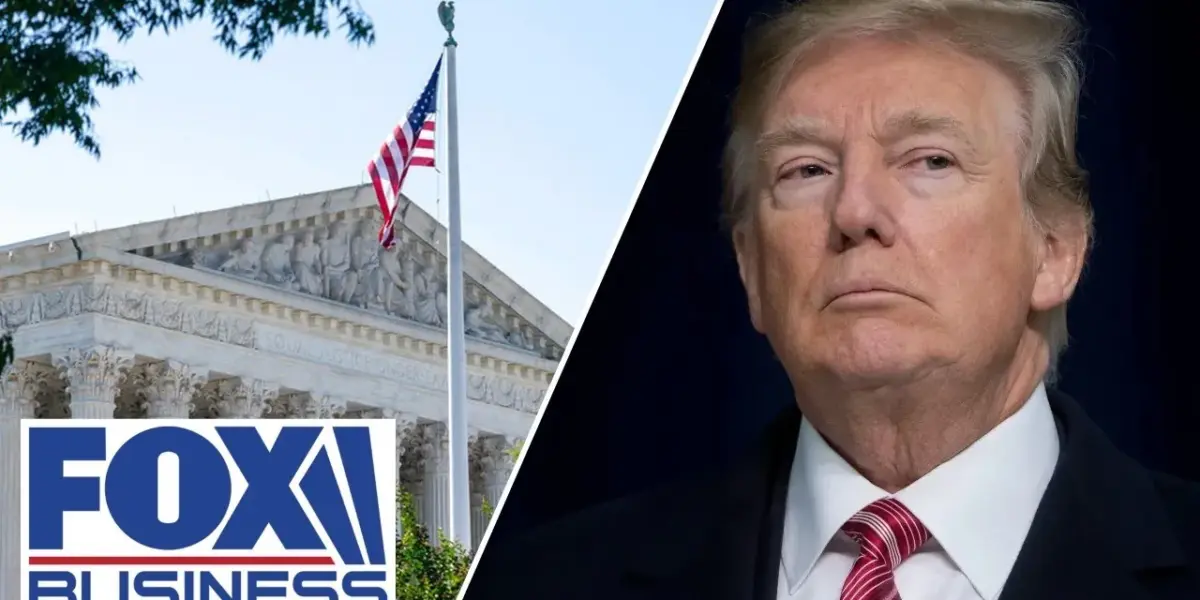
Supreme Court Hears Landmark Case on Birthright Citizenship
The U.S. Supreme Court is now considering a major case that could change who automatically becomes an American citizen at birth. The case, known as Trump v. Barbara, challenges an executive order aimed at stopping automatic citizenship for children born in the U.S. to parents who are in the country without legal permission.
Understanding Birthright Citizenship
Birthright citizenship, often called jus soli (Latin for “right of the soil”), is the idea that anyone born within a country’s borders is automatically a citizen of that country. This principle is written into the 14th Amendment of the U.S. Constitution. It was put in place after the Civil War to ensure that formerly enslaved people and their children were recognized as citizens.
For decades, this has meant that children born in the United States to any parents, regardless of their immigration status, are granted U.S. citizenship. This case questions whether that understanding applies when parents are not legal residents.
The Challenge and Arguments
The core of the legal battle is an executive order that sought to end this practice. Supporters of the order argue that the president has the authority to define citizenship for those born on U.S. soil. They believe that automatic citizenship should not apply to children whose parents are not legally present in the country. The specific arguments presented to the Supreme Court will explore the constitutional basis for this executive action and its potential impact.
Opponents, however, argue that the 14th Amendment clearly states that all persons born or naturalized in the U.S. are citizens. They contend that an executive order cannot override this constitutional right. They also point out that changing birthright citizenship could have widespread social and economic consequences.
Market Impact and Investor Considerations
While this case directly concerns citizenship law, its outcome could have ripple effects across various sectors. A significant change to birthright citizenship could alter consumer demographics and labor force availability over the long term. Businesses that rely on a steady supply of labor, particularly in sectors like agriculture, construction, and hospitality, might face future workforce challenges.
For investors, the implications are indirect but potentially significant. Changes to the U.S. population’s growth and composition could affect consumer spending patterns and demand for goods and services. Companies with large workforces or those serving diverse communities might need to adapt their strategies depending on the ruling.
Furthermore, the legal uncertainty surrounding such a fundamental aspect of American identity could influence overall economic confidence. While the immediate stock market reaction might be muted, the long-term economic picture could be affected by shifts in population and labor dynamics. Analysts will be watching for any signs that the ruling could lead to significant changes in workforce participation or consumer markets.
What Investors Should Know
The Supreme Court’s decision in Trump v. Barbara is not expected to cause immediate market swings. However, investors should understand the potential long-term consequences. A shift away from automatic birthright citizenship could gradually affect population growth, the size of the future workforce, and consumer markets.
This is a complex legal issue with deep historical roots. The court’s interpretation of the 14th Amendment will be closely watched. For now, the principle of birthright citizenship remains in place as the case is heard. Investors should focus on the fundamental economic drivers of their portfolios while keeping an eye on how demographic trends might evolve over many years.
Background on Fox Business Network
This reporting comes from Fox Business Network (FBN), a leading financial news channel. FBN, based in New York, launched in October 2007. It provides real-time financial information across all platforms, impacting both everyday consumers and major financial markets. In January 2025, FBN achieved strong viewership numbers, leading in business day, market hours, and total day viewers. Its business day programs consistently rank among the top 15 shows, highlighting its significant presence in financial news coverage.
Source: WATCH LIVE: Supreme Court hears arguments in Trump's fight to end birthright citizenship (YouTube)

Related Articles

GOP Lawmaker Demands ‘Aggressive’ AG Replacement
GOP lawmakers are divided over border security funding as one representative calls for a more "aggressive" Attorney General. The debate over funding and the upcoming replacement for AG Pam Bondi highlight internal party struggles. Meanwhile, concerns about birthright citizenship and FEMA's low disaster fund add to the political landscape.


Iran’s Regime Faces Pressure as US Focuses Inward
The U.S. faces a dual challenge: navigating complex foreign policy in Iran while grappling with deep domestic political divisions. The administration's strategy towards Iran is under scrutiny, with questions about its clarity and effectiveness. Simultaneously, the Supreme Court is hearing a pivotal case on birthright citizenship, potentially reshaping constitutional law.


Birthright Citizenship: Is the 14th Amendment Outdated?
The 14th Amendment's guarantee of birthright citizenship is under intense debate. Panel guests discuss whether the long-standing interpretation is outdated and explore the practical challenges and historical context surrounding this core American principle.