Court Hears Case on Birthright Citizenship Power
The Supreme Court is hearing arguments in a case that challenges the president's power to limit birthright citizenship. This legal battle centers on the 14th Amendment and could redefine who is considered an American citizen.

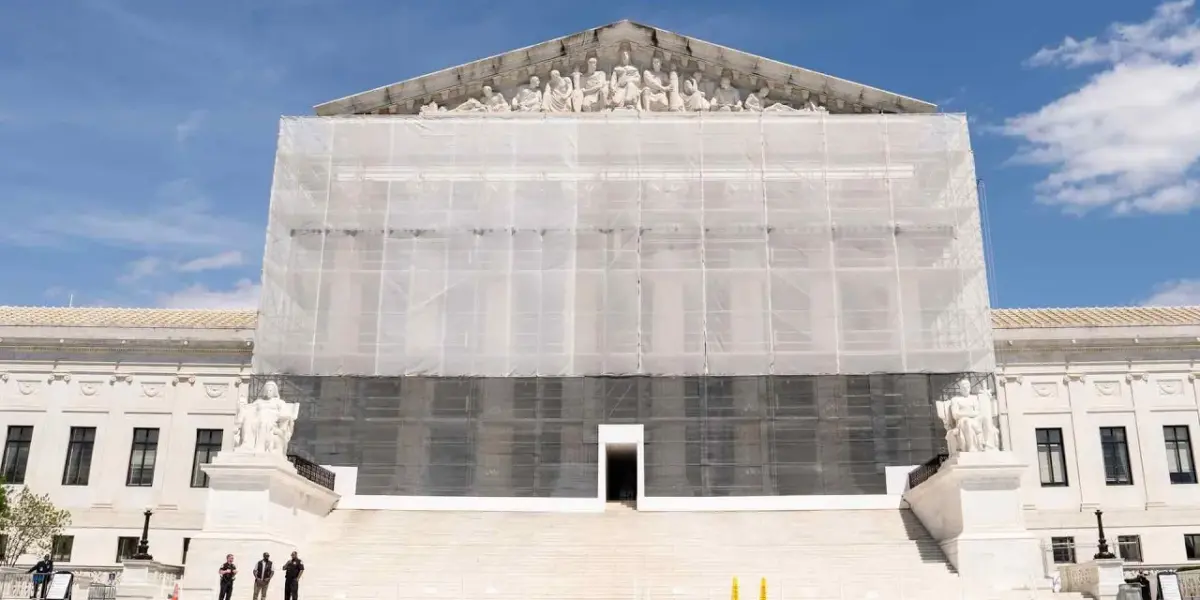
Supreme Court Weighs President’s Power Over Birthright Citizenship
The Supreme Court recently heard arguments in a significant case that could affect how birthright citizenship is understood in the United States. The case, titled Trump, President of the U.S. v. Barbara, questions whether a president has the power to limit citizenship for children born on American soil. This legal battle centers on a core concept that has defined American identity for generations.
Understanding Birthright Citizenship
Birthright citizenship means that anyone born within the territorial boundaries of the United States is automatically granted citizenship. This idea is rooted in the 14th Amendment to the U.S. Constitution, which states that all persons born or naturalized in the United States, and subject to its jurisdiction, are citizens.
For decades, this principle has been widely accepted and applied, regardless of the immigration status of the parents. It’s a fundamental part of how the U.S. has welcomed new populations and integrated them into society. Think of it like this: if you’re born in a hospital in New York, you’re an American citizen, just like if you were born in a hospital in London, you’d be a British citizen.
The Legal Challenge
The current case brings this long-standing tradition under intense scrutiny. It challenges the president’s authority to issue executive orders or directives that could alter or end birthright citizenship for certain groups. The arguments presented to the Supreme Court explored the boundaries of executive power and the interpretation of the 14th Amendment.
At its heart, the case asks: Can a president unilaterally change a constitutional right that has been understood to apply to all individuals born in the U.S.? Supporters of limiting birthright citizenship for the children of undocumented immigrants argue that it could serve as a deterrent to illegal immigration. They believe that the 14th Amendment’s scope, particularly the phrase “subject to its jurisdiction,” might not have intended to cover children born to parents who are not legal residents.
On the other side, those defending birthright citizenship emphasize its historical importance and constitutional basis. They argue that the 14th Amendment is clear and that any attempt to change it would require a formal amendment process, not an executive action. They also point to the potential for chaos and division if citizenship were to become conditional for those born here. Imagine a society where some people born in the U.S. are citizens and others are not, simply based on their parents’ status – this could create a permanent underclass.
Historical Context
The concept of birthright citizenship in the U.S. has deep historical roots. While the 14th Amendment, ratified after the Civil War, solidified this principle, the idea itself predates it. Early colonial laws and practices often granted rights based on birth within the territory.
The 14th Amendment was specifically designed to ensure that newly freed slaves were recognized as citizens. Its broad language has since been interpreted to apply to all individuals born in the United States. Landmark Supreme Court cases, such as United States v. Wong Kim Ark in 1898, have affirmed that children born in the U.S. to parents who are subjects of a foreign government are still U.S. citizens.
Why This Matters
The Supreme Court’s decision in this case will have profound implications. It will clarify the extent of presidential power regarding constitutional rights and the interpretation of the 14th Amendment. The ruling could affect millions of people, particularly children born in the U.S. to non-citizen parents.
A decision that allows the president to limit birthright citizenship could lead to a significant shift in U.S. immigration policy and the definition of American nationality. It could also create legal uncertainty for individuals and families, potentially impacting social cohesion and the rights of those born in the country.
Implications and Future Outlook
The arguments presented suggest a complex legal and social debate. The court’s decision will not only settle the immediate legal question but also set a precedent for future challenges to fundamental rights. It highlights the ongoing tension between executive authority, constitutional interpretation, and the evolving nature of American society.
The outcome could influence discussions about immigration, national identity, and the very meaning of citizenship in the 21st century. Whatever the court decides, it will undoubtedly be a moment of significant consequence for the nation’s legal and social fabric.
Source: LIVE: Supreme Court Hears Arguments Challenging President's Ability to Limit Birthright Citizenship (YouTube)

Related Articles


GOP Lawmaker Demands ‘Aggressive’ AG Replacement
GOP lawmakers are divided over border security funding as one representative calls for a more "aggressive" Attorney General. The debate over funding and the upcoming replacement for AG Pam Bondi highlight internal party struggles. Meanwhile, concerns about birthright citizenship and FEMA's low disaster fund add to the political landscape.


Iran’s Regime Faces Pressure as US Focuses Inward
The U.S. faces a dual challenge: navigating complex foreign policy in Iran while grappling with deep domestic political divisions. The administration's strategy towards Iran is under scrutiny, with questions about its clarity and effectiveness. Simultaneously, the Supreme Court is hearing a pivotal case on birthright citizenship, potentially reshaping constitutional law.


Birthright Citizenship: Is the 14th Amendment Outdated?
The 14th Amendment's guarantee of birthright citizenship is under intense debate. Panel guests discuss whether the long-standing interpretation is outdated and explore the practical challenges and historical context surrounding this core American principle.