Trump Admin Admits Strait of Hormuz Reopening Unlikely
The Trump administration has walked back promises to reopen the Strait of Hormuz, admitting it's unlikely in the near future. This comes amid conflicting public statements about the ongoing conflict and a struggle to define clear war aims. President Trump is set to address the nation to explain his rationale.

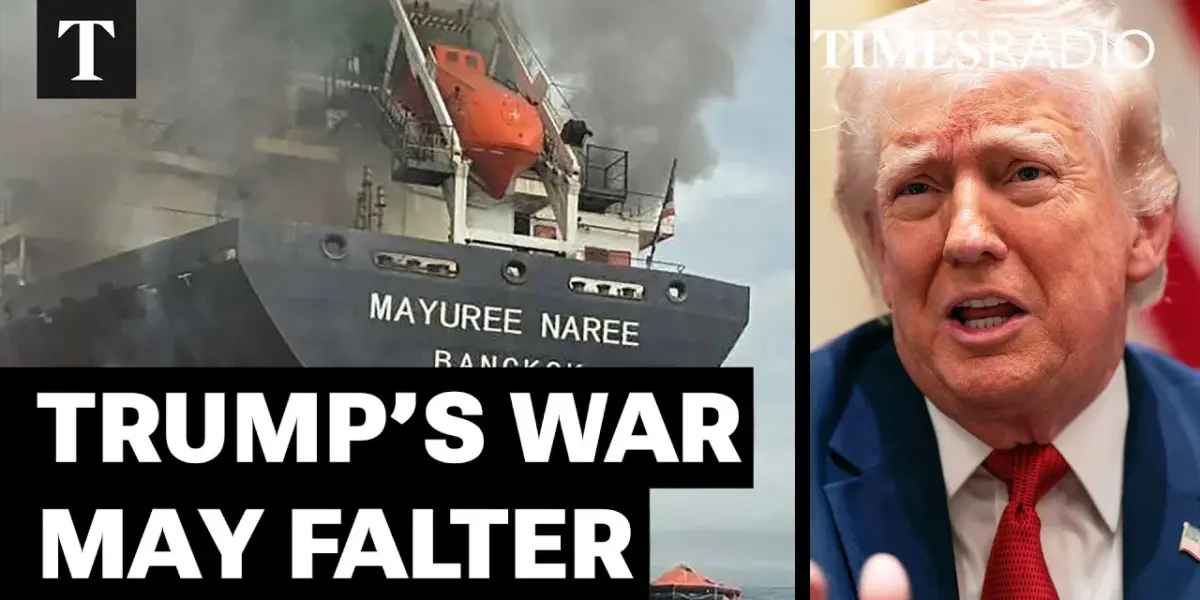
White House Retreats on Hormuz Promise Amid War Chaos
President Trump’s administration has quietly abandoned its pledge to reopen the Strait of Hormuz, a crucial global oil shipping route, within weeks. This significant shift comes as the White House struggles to reconcile contradictory statements about the ongoing conflict. The administration’s public messaging has been marked by chaos, with conflicting announcements about the war’s potential end, ground invasions, and diplomatic talks with Iran.
Conflicting Messages Sow Confusion
The core issue appears to be a struggle to balance public posturing with the realities of ongoing negotiations and President Trump’s desire for a swift resolution. “It’s hard to both say that you’re in it to win it, you’re willing to do anything to win… and then at the same time tell a domestic constituency that this war is going to end very quickly,” explained one analyst. For weeks, the administration has sent mixed signals, creating confusion both domestically and internationally.
Unclear Aims Plague the Conflict
A major concern raised is whether President Trump has clearly explained the war’s purpose to the American people. The administration has offered several justifications, with the most consistent being an “imminent national security threat.” However, the validity of this claim remains an open question. This lack of a singular, clear objective has fueled public uncertainty about the conflict’s necessity and goals.
Oval Office Address to Clarify Logic
President Trump is expected to address the nation directly from the Oval Office, a rare event. This primetime address aims to explain his logic for entering the conflict four weeks ago. He plans to discuss why service members have been deployed, why lives have been lost, and the impact on gas prices. The address is seen as a critical opportunity to present a coherent narrative to a broad audience.
Reality Bites Trump’s Rhetoric
Despite the president’s ability to assert his will and sway public opinion, certain realities are unavoidable. The Strait of Hormuz will either be open or it won’t be; global oil prices will rise or fall. The White House has now removed the idea that the Strait of Hormuz will be open in the next two to three weeks, acknowledging that the military operation may not achieve all its stated aims. This marks a clear instance where reality is challenging the administration’s rhetoric.
Economic Fallout Looms
The economic implications of a prolonged closure of the Strait of Hormuz are significant, even for oil-rich nations like the United States. “No country is an island, even though the United States does have plenty of of oil resources,” an analyst noted. While the U.S. has domestic oil, it still trades with countries that would be severely impacted. This interconnectedness means the American economy would also suffer, posing a problem for voters and the administration.
Strained UK Relations
President Trump reportedly feels disappointed by the UK’s response to the Iran conflict. This disappointment stems partly from a perceived loss of trust in key British figures. The president’s broader suspicion of NATO and European countries generally seems to inform this strained relationship. While not seen as irreparable, the current breach is considered significant.
Royal Visit Offers Pomp and Circumstance
Despite diplomatic tensions, a planned visit from King Charles III is expected to proceed with fanfare. President Trump, who frequently speaks about his anticipation for the visit, desires a grand reception for the royal. The administration even announced the visit dates before Buckingham Palace, an unusual move. This event offers an opportunity for the president to embrace the pomp and circumstance he clearly enjoys.
Internal Disagreements Surface
Evidence suggests internal disagreements within the Trump administration regarding the conflict’s strategy. The president himself has alluded to differences with Vice President Vance and intelligence chief Tulsi Gabbard. Reporting also indicates that some within the administration, particularly on the political side, believe the focus should be on domestic issues rather than foreign policy. These varied viewpoints, which have spilled into inconsistent public messaging, highlight the complexity of the situation.
Looking Ahead
All eyes will be on President Trump’s Oval Office address for clarity on the war’s objectives and the path forward. The administration’s ability to manage public expectations against the backdrop of international realities, particularly concerning the Strait of Hormuz and its economic impact, will be critical in the coming weeks.
Source: Trump HQ Gives Up On Promises To Deliver Reopening Strait Of Hormuz (YouTube)

Related Articles
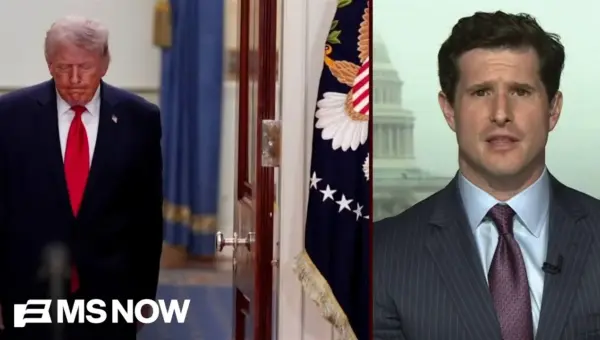
Trump Weighs War Exit Amid Iran Strikes and Internal Debate
President Trump is reportedly facing internal debate over how to end the escalating conflict with Iran, according to a new Time Magazine report. While publicly vowing to increase strikes, privately Trump seeks an "off-ramp" to declare victory and avoid domestic backlash, even as advisors express surprise at Iran's retaliatory attacks.

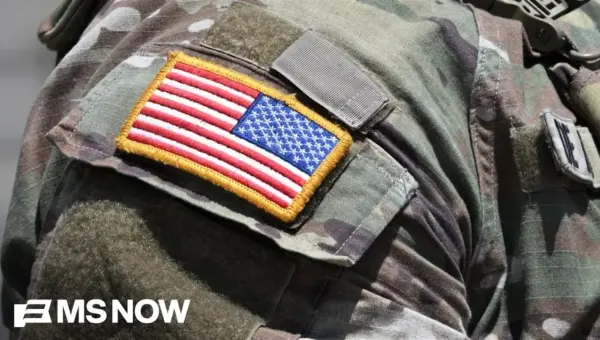
US Pilot Feared Lost in Iran; Search Underway
The U.S. military is conducting a search operation inside Iran for an American pilot whose fighter jet may have been downed. Details are limited, with uncertainty over whether the plane was shot down or suffered mechanical failure. The operation highlights the complexities of rescue missions in hostile territory and occurs amid heightened regional tensions.

US Policy Shift Stuns Allies, Weakens Global Security
US policy shifts regarding Ukraine, the Strait of Hormuz, and NATO are raising concerns among allies and creating global instability. Critics point to a lack of strategic planning and diplomatic consultation, potentially emboldening adversaries and undermining international security.