Young Men Radicalized Online Fuel Deadly Shootings
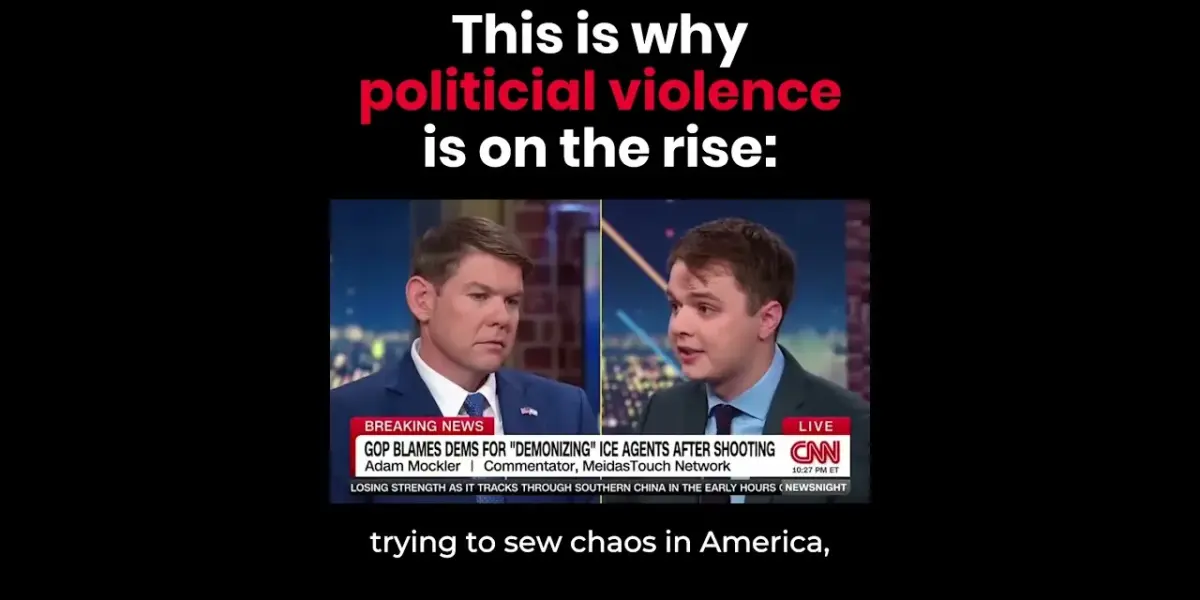
A disturbing pattern of young men committing mass shootings is accelerating, fueled by online radicalization and societal isolation. This analysis explores the contributing factors and the urgent need for solutions beyond political blame.

Young Men Radicalized Online Fuel Deadly Shootings
Tragic mass shootings in America often spark intense arguments about blame. However, a troubling pattern is emerging that needs closer examination. We are seeing a rise in shootings carried out by young white men in their twenties. This trend has become more noticeable over the last ten years.
The same day a shooting occurred in Colorado, a neo-Nazi was responsible for another attack. This isn’t just a coincidence; it highlights a growing problem of young men becoming radicalized. Several factors seem to be pushing young men down this dangerous path.
The Pandemic’s Role
The COVID-19 pandemic played a significant part. Many people, especially young men, experienced isolation. They spent more time online, often getting caught in algorithmic rabbit holes. These algorithms can lead individuals to extreme viewpoints without them realizing it. I’ve seen this happen to friends who got pulled into these online worlds.
Foreign and Domestic Influence
Beyond personal online experiences, outside forces are also at play. Foreign actors aim to create chaos and division within America. Think about how pleased leaders like Putin must be when they see Americans fighting amongst themselves. This benefits those who want to weaken our country.
Domestically, certain figures, like Elon Musk, are accused of amplifying these divisive messages. When all these elements combine—pandemic isolation, online radicalization, foreign interference, and domestic incitement—we get the disturbing pattern of young men committing these violent acts.
Addressing the Pattern
Some argue that focusing on the shooter’s background distracts from the real issue of gun violence. However, ignoring the common characteristics of these perpetrators is a mistake. Looking at past shooters like Dylan Roof, Robert Bowers, and John Ernest, we see a consistent profile.
These individuals were not Black, trans, or Democrats. They were often neo-Nazis or held similar extremist beliefs. Some even had hateful symbols carved into their weapons. Trying to muddy the waters by ignoring this pattern is dishonest and prevents us from finding real solutions.
“I just don’t want innocent people to die. Sue me for that.”
This sentiment highlights the urgency of the situation. We need to move past partisan bickering and address the root causes of this violence. Ignoring the evidence of radicalization, particularly among young men influenced by online content and extremist ideologies, is dangerous.
Why This Matters
Understanding this pattern is crucial for public safety. If we don’t acknowledge who is committing these acts and why, we cannot effectively prevent them. This is not about assigning blame to specific political groups but about recognizing a dangerous trend fueled by online environments and extremist propaganda.
Implications and Future Outlook
The continued radicalization of young men poses a significant threat to society. The ease with which extremist ideologies can spread online means this problem could worsen. Future efforts to combat this violence must include strategies to counter online extremism and promote critical thinking skills among young people.
This requires a multi-faceted approach. It involves tech companies taking more responsibility for the content on their platforms, educational institutions teaching media literacy, and communities fostering environments where young men feel connected and supported. Without these efforts, we risk seeing more tragedies like those we have already witnessed.
Historical Context
While mass shootings are not new, the current wave appears to be increasingly influenced by online radicalization. Historically, extremist groups have always sought new recruits. However, the internet provides a powerful and often anonymous tool for them to reach vulnerable individuals. This modern form of recruitment is faster and more widespread than anything seen before.
Past movements relied on physical meetings and pamphlets. Today, algorithms can serve up extremist content directly to users, creating echo chambers that reinforce hateful beliefs. This shift in how radicalization occurs requires a new understanding and new strategies for prevention.
Looking Ahead
The conversation needs to shift from partisan finger-pointing to a collective effort to understand and address the drivers of this violence. Recognizing the role of online radicalization, isolation, and the spread of extremist ideologies is the first step. Only then can we begin to build a safer future for everyone.
Source: MAGA Need To Understand This (YouTube)

Related Articles


Sword Threatener Targets Trump: Justice System Faces Test
A Massachusetts man, Andrew Emerald, faces federal charges after allegedly threatening President Trump with a sword. The incident highlights the challenges of online threats and law enforcement's role in protecting public figures.

Youth “Feral” Behavior Sparks Clapham Unrest, Fueled by Social Media
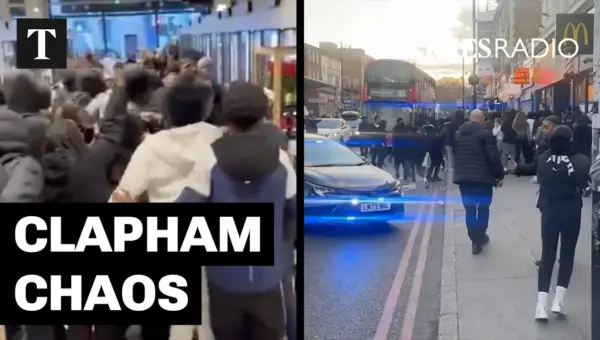
Large groups of youths, organized via social media "link ups," caused significant disruption in Clapham, London, over the Easter weekend. The "feral" behavior included ransacking a store and intimidating residents, raising concerns about public safety and the influence of online trends on youth conduct.

Indiana Bars Undocumented Immigrants from Driving Trucks
Indiana has become the first state to ban undocumented immigrants from obtaining or holding commercial driver's licenses. This new law requires CDL training to be in English and comes after recent deadly crashes involving drivers in the country illegally. The move reflects broader national immigration enforcement efforts.