Iran’s Information Blackout: Voices Silenced Amidst Conflict
Daily Mail correspondent Alina Shirazi details the severe communication blackout in Iran, where internet access is limited to about 10% of the population. Families struggle to connect, fearing government surveillance, while youth risk warnings and scams to get online. Shirazi shares her personal connection to the crisis, driven by her family's history of fleeing the regime.

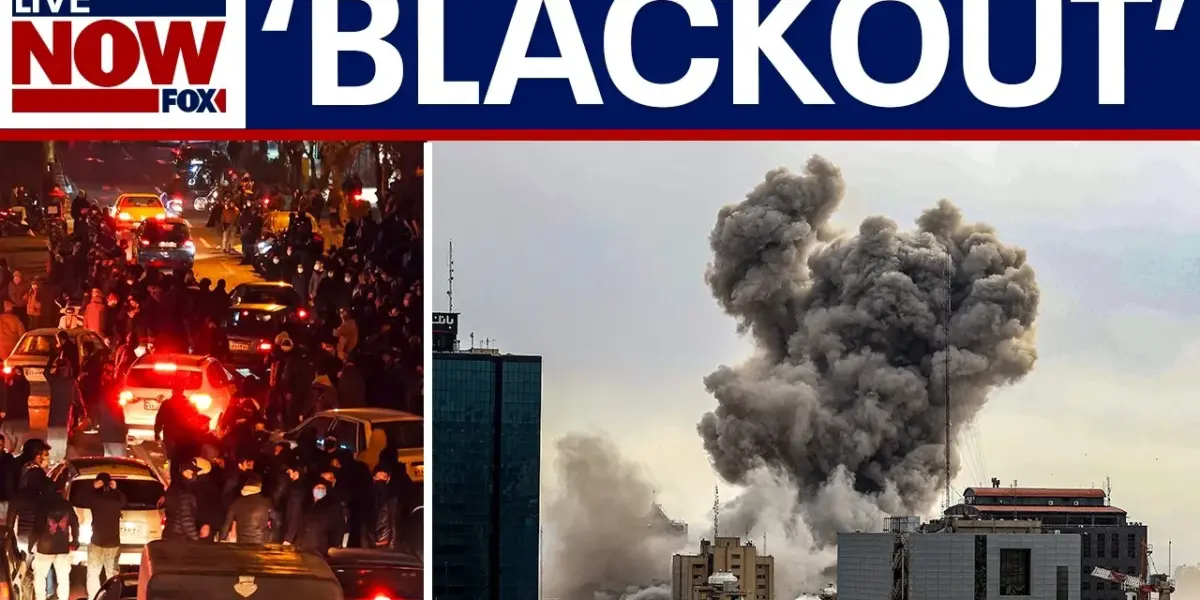
Iran’s Digital Walls: Families Cut Off, Information Scarce
In Iran, a severe communication blackout is making it incredibly difficult for people to connect with loved ones and for journalists to report on the ongoing situation. Alina Shirazi, a senior political correspondent for the Daily Mail, shared her personal struggle to reach her own family in Iran, highlighting the deep challenges faced by many.
“The first time that I was able to hear from family took weeks,” Shirazi explained. “I was reporting on the issue of course and also worried about my family.” Even when contact is made, conversations are fraught with fear. Family members can call Shirazi, but she cannot call them; calls often don’t go through. When they do speak, her relatives share information cautiously, worried that the government might be listening.
This fear of government surveillance has been a long-standing issue. Shirazi recalled asking her father questions as a child, only to be told that her relatives were afraid of being overheard. “That would send chills down my spine,” she said.
Conflicting Messages and a Glimmer of Hope
The information landscape for Iranians is further complicated by mixed messages from international leaders. Shirazi noted that while President Trump told Iranians to stay inside, he also encouraged them to take back their country. This leaves many Iranians uncertain about how to act.
Despite the severe restrictions, Shirazi emphasized that many Iranians still hold onto a sense of freedom and hope for the future. This resilience is particularly evident among the younger generation.
Youth Navigate Tech Hurdles to Connect
Shirazi’s recent report focused on Iran’s youth and their efforts to overcome the government-imposed information blackout. She found that only about one in ten people currently have internet access. This severe limitation forces many to find creative, and often risky, ways to get online.
Some tech-savvy Iranians use Virtual Private Networks (VPNs) to connect, but these services are expensive and out of reach for most. Alarmingly, some individuals have received warning text messages from the government after using a VPN. Others rely on underground cafes and restaurants that offer internet access, often requiring customers to order significant amounts of food for a chance to connect.
Even at major universities, internet access is restricted. Students might be able to use platforms like YouTube or LinkedIn, but access beyond that is limited. Attempts to send messages beyond a certain number often fail. Elon Musk’s Starlink service, a potential solution for connectivity, is illegal in Iran and costs around $2,000, making it inaccessible for most.
Scams and Repression on the Rise
The difficulty in accessing the internet has also created opportunities for fraudsters. Many scammers claim they can provide internet access but simply steal money from desperate individuals. Shirazi mentioned that several people she knows have fallen victim to these scams.
Overall, internet repression in Iran is a growing concern. The people are becoming increasingly frustrated with the system they live under, feeling trapped by the government’s control over information and communication.
Dangers of Speaking Out and Fleeing the Country
The risks associated with speaking out or contacting journalists are severe and have been present for decades. Shirazi mentioned reports of executions and public threats. In one instance, members of the IRGC military went to a university student’s family home and took her away without explanation.
“The people are deathly afraid of the government,” Shirazi stated. “This is something that we have been seeing for decades.”
Fleeing the country also presents significant dangers. Flights out of Iran have been restricted, and airspace has been cracked down upon since military actions began. While some individuals have managed to escape to neighboring countries like Armenia and Turkey, these border crossings are not officially recognized by Iran’s government. Those who attempt to leave risk being caught and endangering their lives, but the alternative is to remain in what has become a war zone.
A Personal Connection to the Struggle
Shirazi’s reporting is deeply personal, fueled by her own family’s history of escaping Iran. She described her upbringing filled with stories of her parents’ homeland before the 1979 revolution, when the Shah was overthrown and religious clerics took power.
The new regime promised prosperity and free resources like water and power, but the cost was freedom itself. The economy collapsed, and the promised paradise turned into a nightmare. Shirazi’s mother’s family fled to Europe before settling in the United States, while her father took the last flight out of the capital to start a new life, knowing neither the language nor anyone in his new country.
These personal stories inspired Shirazi to pursue journalism. “That’s what why you and I do is so important,” she told the interviewer, referring to giving a voice to the voiceless.
The White House and the Iran Conflict
Regarding the current conflict, White House Press Secretary Caroline Levit indicated confidence that the situation would be resolved within four to six weeks, aligning with President Trump’s timeline. However, Shirazi expressed doubt, suggesting that Trump is seeking a quick exit from the war, but diplomacy with the current Iranian regime has proven difficult.
The regime often denies that negotiations are even happening. The Strait of Hormuz has become a critical bargaining chip, but details about who is negotiating with Iran remain unclear. The White House has not disclosed specifics, possibly due to security threats following the elimination of top Iranian leadership by the U.S. and Israel.
President Trump set an April 6th deadline for a deal. The White House appears to be using military strikes as a pressure tactic to force Iran’s signature on an agreement, rather than initiating a full-scale war. Shirazi believes this signature is unlikely to materialize.
Looking Ahead
The ongoing communication blackout and repression in Iran continue to create immense hardship for its citizens. As international pressure mounts and diplomatic efforts remain uncertain, the world watches to see if a resolution can be found that respects the voices and freedoms of the Iranian people. The struggle for access to information and basic human rights remains at the forefront of this complex geopolitical situation.
Source: Daily Mail reporter on communication blackout in Iran (YouTube)

Related Articles


US Jet Downed in Iran: Crew Fate Unknown, War Unpopular
An American F-15 fighter jet has been shot down over Iran, with U.S. officials confirming the loss but offering few details on the crew's fate. The incident occurs amid widespread public opposition to the war and raises questions about Iran's air defense capabilities.

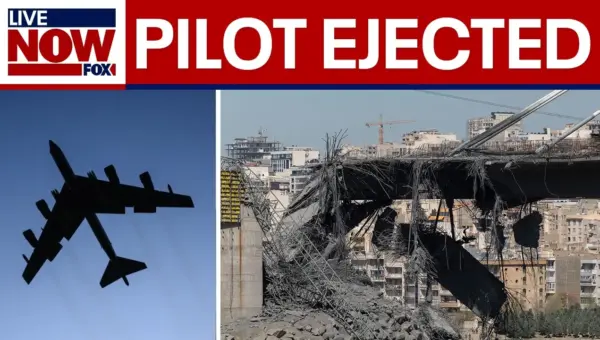
Iran Claims US Pilot Ejected; US Silent Amid Escalating Tensions
Iran claims a U.S. pilot ejected from a fighter jet over its territory, offering a reward for capture. The U.S. has not confirmed the report amid escalating regional tensions. Military experts discuss the strategic implications of U.S. strikes and the potential for internal change in Iran.

US Pilot Feared Lost in Iran; Search Underway
The U.S. military is conducting a search operation inside Iran for an American pilot whose fighter jet may have been downed. Details are limited, with uncertainty over whether the plane was shot down or suffered mechanical failure. The operation highlights the complexities of rescue missions in hostile territory and occurs amid heightened regional tensions.