Trump Faces Court on Birthright Citizenship
President Trump made history by attending Supreme Court arguments on his birthright citizenship order. The court is deciding if children born in the U.S. to non-citizen parents automatically become citizens. The 14th Amendment has long supported this right, but the president seeks to change it.

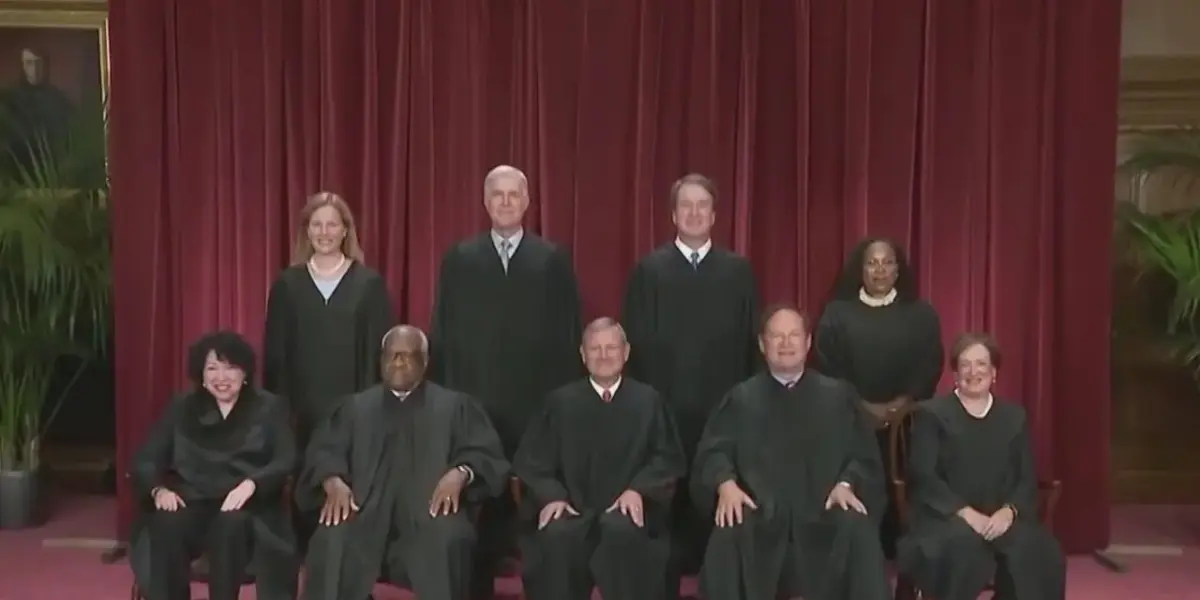
Supreme Court Hears Birthright Citizenship Case
In a historic moment, President Trump became the first sitting president to attend oral arguments at the Supreme Court. The justices are now considering his executive order on birthright citizenship. This order could affect millions of people in the United States. The case centers on whether the president has the power to change the rule that grants citizenship to almost anyone born on U.S. soil.
What is Birthright Citizenship?
Birthright citizenship is the idea that if you are born in a country, you automatically become a citizen of that country. In the U.S., this right comes from the 14th Amendment to the Constitution. It says that all persons born or naturalized in the United States, and subject to its jurisdiction, are citizens. This has been the standard for over 150 years.
Trump’s Executive Order
President Trump issued an executive order on his first day in office. This order aimed to stop granting birthright citizenship to children born in the U.S. to parents who are in the country illegally or are temporary visitors. The president argued that this practice is unfair and has been abused by people from other countries.
“This was about slaves.” This statement from the transcript suggests a historical perspective on the 14th Amendment, implying its original purpose was to grant citizenship to formerly enslaved people, regardless of their parents’ status.
Arguments Presented
The president’s argument is that babies born to parents without legal status in the U.S. should not automatically become citizens. He believes this power is part of his authority as president. The Supreme Court justices will now decide if this interpretation of the Constitution is correct. They must look at whether the 14th Amendment allows the president to make such a change.
Opposition and Concerns
The order has faced strong criticism, especially from Democrats and groups that support immigrants. They worry that if the Supreme Court upholds the president’s order, it could impact millions of immigrants already living in the U.S. It could also affect hundreds of thousands of children born each year to non-citizen parents.
Lower Court Rulings
So far, lower courts across the country have blocked President Trump’s order. Judges in these courts have ruled against the president. Many legal experts believe the Supreme Court will likely do the same. They think the court will follow the Constitution’s clear statement on citizenship.
Expert Opinion
One legal expert noted that the court has consistently ruled that being born in the U.S. makes you a citizen. This applies unless the parents are foreign diplomats. This suggests the Supreme Court might not support the president’s effort to change this long-standing rule.
Why This Reshapes the World Order
The Supreme Court’s decision in this case is significant. It will clarify the meaning of the 14th Amendment. This could change how the U.S. views citizenship and immigration. It also sets a precedent for how executive orders can challenge constitutional rights. The outcome will be watched closely by people in the U.S. and around the world.
Historical Context
The 14th Amendment was ratified after the Civil War. Its main goal was to ensure that formerly enslaved people were recognized as citizens. For over a century, it has been understood to grant citizenship to nearly everyone born in the U.S. This case tests the limits of that understanding and the president’s power to alter it.
Future Scenarios
One possible outcome is that the Supreme Court upholds the lower courts’ decisions and rejects the president’s order. This would maintain the current system of birthright citizenship. Another possibility, though less likely according to some experts, is that the court could allow some changes to the rule. This could lead to legal challenges and uncertainty for many families.
Source: Supreme Court to weigh Trump’s birthright citizenship case | Morning in America (YouTube)

Related Articles

GOP Lawmaker Demands ‘Aggressive’ AG Replacement
GOP lawmakers are divided over border security funding as one representative calls for a more "aggressive" Attorney General. The debate over funding and the upcoming replacement for AG Pam Bondi highlight internal party struggles. Meanwhile, concerns about birthright citizenship and FEMA's low disaster fund add to the political landscape.


Trump Replaces Attorney General Bondi Amid Epstein Files Controversy
President Trump has replaced Attorney General Pam Bondi, with her personal lawyer Todd Blanche stepping in. The move comes amid public concerns over the handling of the Jeffrey Epstein files and Bondi's own adversarial public testimony. This follows other recent departures, including Homeland Security Secretary Christy Gnome and Army Chief of Staff General Randy George.

AG Pam Bondi Under Fire for DOJ’s Political Leanings
The Department of Justice is under fire as reports and experts suggest Attorney General Pam Bondi's tenure has seen a shift towards political alignment, undermining promised impartiality. Concerns are mounting over alleged deference to the White House, potential political prosecutions, and a decline in internal morale.