US Returns to Moon, Eyes Permanent Lunar Base
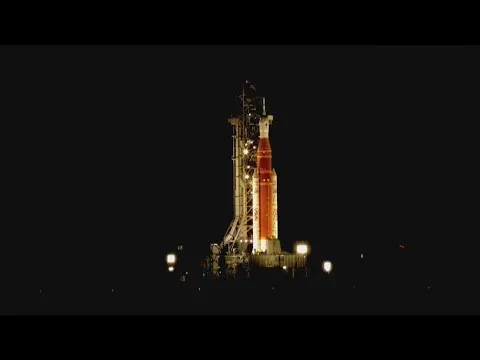
The United States launches the Artemis II mission, sending four astronauts on a 10-day journey around the Moon. This historic flight marks NASA's first crewed mission beyond Earth's orbit since 1972 and signals a new era of lunar exploration with the goal of establishing a permanent human presence.

US Returns to Moon, Eyes Permanent Lunar Base
The United States is set to make a historic return to the Moon with the Artemis II mission. This flight will send four astronauts on a journey around the Moon, marking NASA’s first crewed mission beyond Earth’s orbit since 1972. The launch is scheduled for later today, with liftoff expected at 6:24 PM Eastern time from the Kennedy Space Center in Florida. The mission is planned to take 10 days as the crew completes a large loop around the Moon before returning to Earth.
A New Era of Lunar Exploration Dawns
While Artemis II will not land on the Moon, it represents a crucial first step in a much larger plan. Experts see this mission as the beginning of a sustained effort to explore and establish a long-term, perhaps permanent, presence on the lunar surface. This ambition is a significant shift from past space programs, which often focused on shorter, more exploratory missions.
Why the Long Wait for a Return?
The gap of over 50 years since the last Moon mission is largely due to shifts in government funding and priorities. After the Apollo program, NASA’s focus changed. President Nixon, for example, prioritized the development of reusable spacecraft like the Space Shuttle. This meant that deep space exploration, particularly crewed missions to the Moon, took a backseat for decades. The success of Artemis II is seen as the opening act for a new phase of lunar exploration, aiming for a steady pace and a more lasting human footprint.
Political Will Fuels the Artemis Program
The current push for lunar exploration appears tied to political agendas. NASA Administrator Bill Nelson recently announced plans for a lunar colony, emphasizing the importance of Gateway, an orbiting outpost, and advancements in deep space exploration, including nuclear electric propulsion. This aligns with priorities that seem to be supported by the current administration, suggesting that political will is a key driver behind the Artemis program’s revival.
Safety in the Void: Communication and Training
A daunting aspect of the mission for many outsiders is the period when the astronauts will lose communication with Earth. During their journey, the spacecraft will travel beyond the range of direct contact with NASA. However, this is a known challenge that astronauts have faced before, even during the Apollo and Shuttle missions. The Artemis II crew has undergone extensive training, including hundreds of hours in simulations. They are prepared with contingency instructions and backup procedures to handle a wide range of potential events during these communication blackouts. The astronauts are trained to handle these situations, which are a normal part of deep space travel.
A Nation Watches and Celebrates
The excitement is palpable at the Kennedy Space Center. For space enthusiasts and those involved in the program, seeing a rocket launch, especially one with such historical significance, is always a profound experience. The prospect of returning to the Moon after more than half a century is a moment of national pride. One observer shared plans to watch the launch with a beverage, saving a stronger drink for after the astronauts are safely in orbit, highlighting the blend of anticipation and relief that accompanies such a critical mission.
Global Impact
The Artemis program signals a renewed commitment by the United States to leading in space exploration. This initiative not only aims to push technological boundaries but also seeks to establish a long-term human presence on the Moon. This could pave the way for future missions to Mars and beyond. The program’s success could inspire a new generation of scientists and engineers and potentially foster international cooperation, similar to the International Space Station. However, it also highlights the significant financial and political investment required for such ambitious endeavors, showing how national priorities directly shape the future of space exploration.
Historical Context
The Artemis program is named after the twin sister of Apollo in Greek mythology, symbolizing a new chapter following the original Apollo missions that landed humans on the Moon between 1969 and 1972. The long pause since the last mission, Apollo 17 in 1972, reflects changing geopolitical landscapes and budget allocations. While the Apollo era was driven by the Space Race against the Soviet Union, Artemis is motivated by different goals, including scientific discovery, economic opportunities, and securing a strategic presence in space for future generations. The focus on a sustainable presence, rather than just short visits, marks a significant evolution from the Apollo objectives.
Economic Considerations
Space exploration is incredibly expensive. The funding for programs like Artemis comes from government budgets, which are influenced by political cycles and competing national needs. The shift from the Apollo era’s urgency to the current, more deliberate pace reflects a different economic and political climate. Future lunar missions, especially those involving a permanent base, will require sustained financial commitment. The development of new technologies, like advanced propulsion systems, also represents significant economic investment and potential for future commercial applications.
Future Scenarios
Several future scenarios could unfold. If Artemis II is successful, it will build momentum for subsequent missions, potentially leading to a lunar landing and the establishment of the Gateway outpost. This could position the US as a leader in lunar development. Alternatively, budget cuts or political shifts could slow or halt the program, similar to what happened after Apollo. International collaboration could also play a larger role, with other nations contributing resources and expertise, or competition could arise as other countries pursue their own lunar ambitions. The most likely scenario involves continued progress, albeit with potential delays and adjustments based on funding and technological development.
Source: Countdown to Artemis II mission to the moon | Morning in America (YouTube)

Related Articles


Trump Fires AG Bondi, Iran Tensions Rise, Artemis II Heads to Moon
Attorney General Pam Bondi has been fired by President Trump, with Deputy AG Todd Blanche stepping in as acting AG. Amidst rising oil prices and escalating tensions, the U.S. warns Iran as the Artemis II mission successfully heads towards the Moon. Golfer Tiger Woods was arrested for DUI and is stepping away for treatment.

Astronauts Head to Moon Amidst Divided Nation
The Artemis II mission has launched, sending four astronauts towards the Moon in a journey that highlights both humanity's drive for exploration and the current divisions within society. While the launch captured global attention, it also sparked conversations about how fragmented media impacts shared national experiences.


Humans Return to Moon Orbit After 52 Years
Humans are heading back to the moon for the first time in over 50 years with the Artemis II mission. The four-astronaut crew will orbit the moon, marking a historic return to deep space exploration. Meanwhile, political developments include President Trump's warnings of further strikes against Iran and a leadership change at the Justice Department.