Oil Shock Looms: 5 of 6 Price Spikes Led to Recession
Six oil price shocks in 50 years have historically led to recessions, with the current Middle East conflict sparking fears of a repeat. Rising energy costs, coupled with AI's impact on jobs, are creating a challenging economic environment.

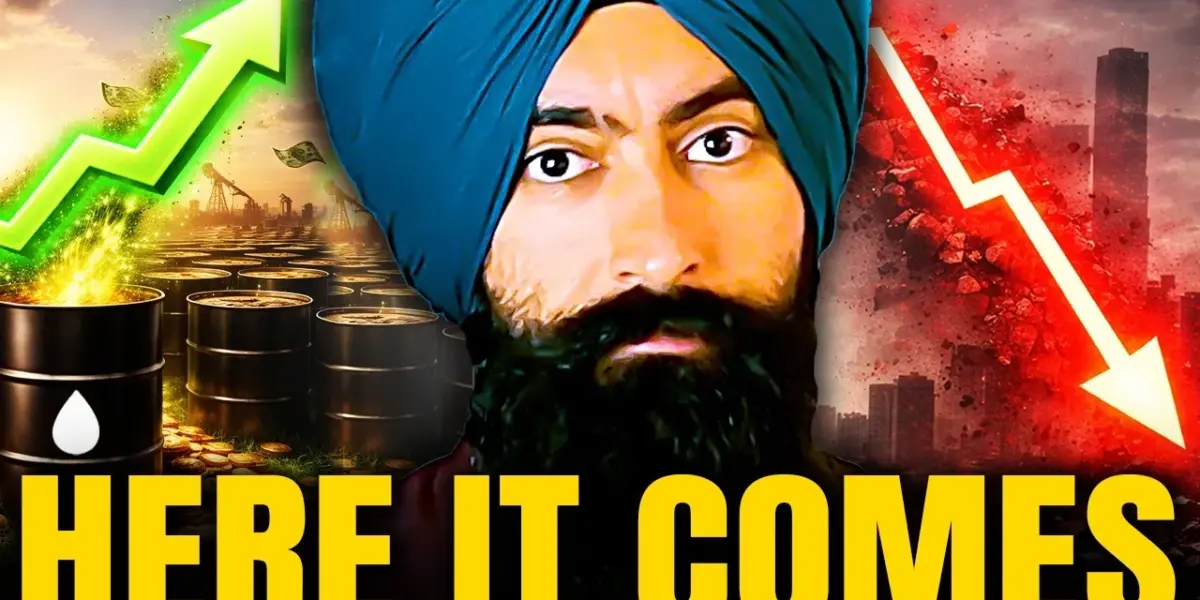
Oil Prices Surge Amid Middle East Conflict, Recession Fears Mount
The global economy is facing renewed turbulence as the conflict in the Middle East triggers a significant spike in oil prices. This development has reignited concerns about a potential recession, a scenario that has historically followed similar oil price shocks. Data shows that out of the last six major oil price surges in the past 50 years, five have been followed by an economic downturn.
Historical Precedent: Oil Shocks and Economic Pain
Looking back at history, the pattern is clear. Major oil price shocks occurred in 1973, 1979, 1990, 2008, and 2022, with another significant event unfolding now. Of these, the shocks in 1973, 1979, 1990, and 2008 all led to recessions. While the 2022 oil price surge did not result in a recession, it did coincide with a roughly 20% drop in the stock market. The current situation, described by Goldman Sachs as the most extreme oil supply shock in crude oil market history, raises questions about whether 2026 will follow the historical pattern.
How Oil Prices Ripple Through the Economy
The impact of higher oil prices extends far beyond the gas pump. Crude oil is a fundamental commodity that influences the cost of nearly everything. Increased oil prices directly translate to higher prices for gasoline and diesel fuel. This raises shipping costs for businesses, making everyday goods like groceries more expensive as they must be transported from farms to stores. Travel becomes pricier, and even the cost of fertilizer, crucial for agriculture, rises. Essentially, high oil prices act as a tax on consumers and businesses, reducing purchasing power.
Job Market Faces Dual Threat: Oil Prices and AI
The current economic climate presents a dual challenge for the job market. Rising oil prices can dampen consumer spending. When goods become more expensive, people have less disposable income, leading them to buy fewer items. This reduced spending can hurt businesses, potentially leading to hiring freezes or layoffs. Compounding this issue is the ongoing impact of artificial intelligence (AI) on the workforce. Companies are increasingly exploring AI to automate tasks, which could reduce the need for certain types of workers, particularly entry-level positions. This combination of reduced consumer spending and AI-driven automation could lead to significant job market adjustments.
Consumer Confidence Hits Lows
Consumer sentiment, a key indicator of economic health, has fallen to its lowest levels in 2026. This decline is critical because consumer spending is driven not just by income but also by confidence in the future. When people feel uncertain about their job security or the overall economic outlook, they tend to cut back on major purchases like cars or homes. This drop in consumer confidence, combined with the rising cost of living due to higher oil prices, creates a significant headwind for economic growth.
What Investors Should Know: Navigating Uncertainty
The economic outlook is uncertain, with the duration of the Middle East conflict being a critical factor. If the conflict is resolved quickly, consumer confidence and spending could recover, potentially mitigating some of the negative economic impacts. However, a prolonged conflict would likely mean sustained high oil prices, further straining household budgets and business operations. Investors are faced with the prospect of a potential recession, a scenario that, while challenging, has historically presented opportunities for long-term wealth building.
Long-Term Investing Strategies
For long-term investors, the key is to focus on the future economic landscape rather than short-term market fluctuations. The strategy of ‘Always Be Buying’ (ABB) involves consistently investing a set amount of money at regular intervals, regardless of market conditions. This approach allows investors to buy more shares when prices are low and fewer when prices are high, averaging out the cost over time. Diversification remains crucial. Investors can consider broad market index funds like the S&P 500, which provides exposure to the 500 largest U.S. companies. Other options include dividend-focused ETFs like SCHD, which aim for growing cash flow and stock price appreciation, or consumer staples ETFs (XLP) that hold companies producing essential goods people buy even in a downturn. Gold (GLD) can serve as a hedge against inflation and uncertainty.
Niche Investment Opportunities
For those seeking to capitalize on specific trends, niche investments are available. If the expectation is for sustained high energy prices due to ongoing conflict, ETFs focused on the energy sector, such as XLE or VDE, could be considered. Alternatively, investors bullish on the long-term growth of artificial intelligence and technology can explore ETFs focused on AI and robotics (BOTZ) or semiconductors (SOXX).
Ultimately, the path forward hinges on geopolitical stability and its impact on energy markets. While the immediate outlook suggests potential economic headwinds and market volatility, a disciplined, long-term investment approach can help investors navigate these challenges and potentially benefit from market dislocations.
Source: The Last Time This Happened, a Recession Followed (YouTube)

Related Articles

Iran Strikes Target Infrastructure: Gulf States Fear Escalation
Iran's retaliatory strikes on critical infrastructure, including a Kuwaiti desalination plant, have heightened fears across Gulf states. Expert Kaman Matin explains Iran's strategy of targeting civilian and economic assets in response to attacks, while Gulf nations brace for potential escalation. The situation remains tense, with diplomatic efforts struggling to find a path to de-escalation.

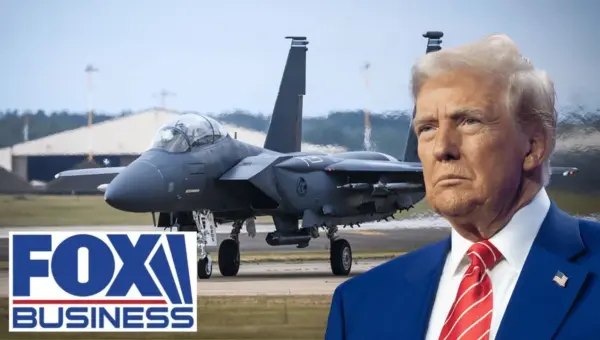
US Fighter Jet Downed Over Iran Amid Regional Tensions
A U.S. F-15 fighter jet crashed in Iran, prompting an ongoing search and rescue mission. The cause remains uncertain, with possibilities including mechanical failure or being shot down by Iranian forces. The incident raises concerns about escalating regional tensions and impacts on global energy markets.

Walmart Stock Soars as Luxury Goods Plummet: Recession Looms
An unusual economic indicator, the Walmart recession signal, is flashing red as Walmart's stock soars while luxury goods stocks fall. This pattern has accurately predicted past recessions, suggesting that tighter household budgets are driving consumers to seek value. The trend signals potential economic hardship ahead.