Trump’s Obsession With Foes Overshadows Real Issues
Donald Trump's persistent focus on personal enemies, like James Comey, overshadows critical economic issues such as inflation and unemployment. His social media activity reveals a clear preference for settling scores over addressing national concerns. This misplaced priority has real-world consequences for the economy.

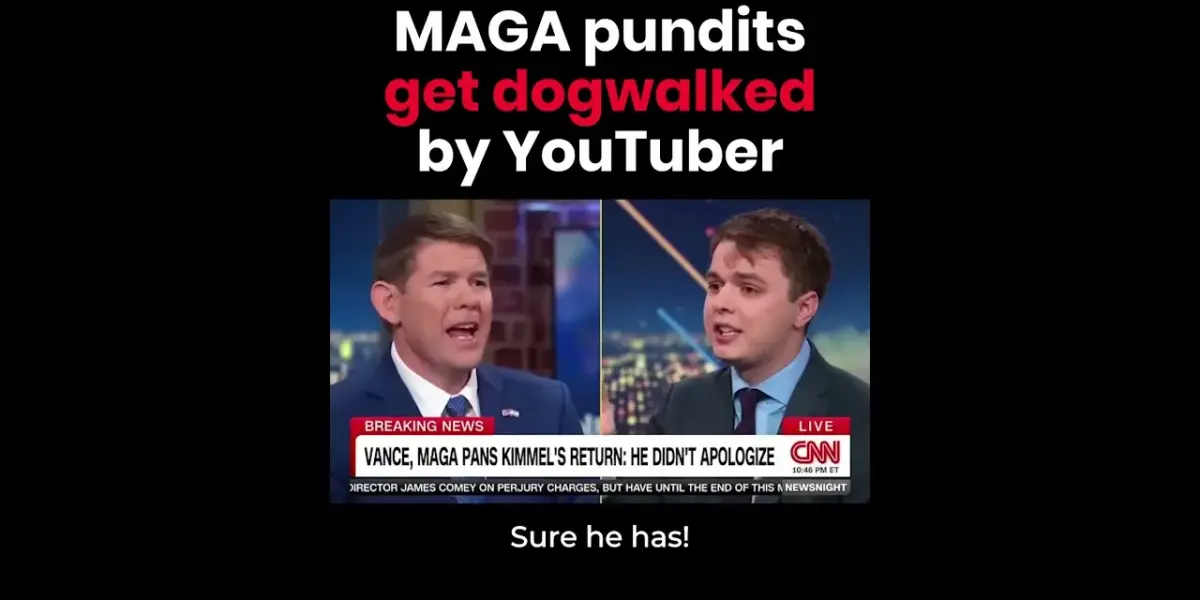
Trump’s Focus on Personal Grievances Distracts from Economic Woes
Donald Trump’s public statements often reveal a deep focus on personal rivalries rather than pressing national concerns. This tendency was highlighted when, following a statement by Erica Kirk that she didn’t hate opponents, Trump declared his own hatred for his adversaries. This stark contrast, coming from the President of the United States, raises questions about his priorities.
It appears Donald Trump is actively trying to rally his supporters by emphasizing ideological purity and attacking those he sees as enemies. This strategy seems to involve silencing or discrediting dissenting voices. Examples include the withdrawal of Jimmy Kimmel from a public appearance and the persistent focus on former FBI Director James Comey.
The Comey Obsession
Research shows an astonishing number of mentions of James Comey on Trump’s social media platform, Truth Social. He has referenced Comey 242 times. This intense focus on a single individual stands in sharp contrast to mentions of significant economic issues like inflation. Inflation has been mentioned only about half as many times as Comey.
The argument that fixing inflation means it doesn’t need mentioning is flawed. The data suggests that inflation has not been fixed. Trump’s own social media activity shows a clear preference for dwelling on past conflicts and perceived slights over current economic challenges.
Misplaced Priorities and Economic Impact
This obsession with personal vendettas, like attacking Comey or criticizing figures like Jimmy Kimmel, takes attention away from critical national issues. While Trump focuses on these perceived slights, the country faces real economic problems. Unemployment is currently rising, and Trump’s use of tariffs is likely making these economic conditions worse.
Tariffs, which are taxes on imported goods, can lead to higher prices for consumers and businesses. They can also provoke retaliatory tariffs from other countries, harming export industries. Instead of addressing these complex economic factors, the focus remains on settling personal scores.
Why This Matters
A leader’s priorities shape a nation’s direction. When a president spends an inordinate amount of time attacking personal enemies and relitigating past conflicts, it signals a detachment from the everyday concerns of citizens. Issues like inflation, employment, and the impact of trade policies directly affect people’s lives and financial well-being.
The tendency to prioritize personal grievances over substantive policy debates can lead to a political environment characterized by division and distraction. It can prevent meaningful progress on critical issues. Voters deserve to hear plans and solutions for the economy, not just attacks on opponents. This focus on petty conflicts is not just a rhetorical choice; it has real-world consequences for the nation’s economic health.
Historical Context
Throughout history, political leaders have faced the challenge of balancing public perception with policy execution. Some leaders have used populist rhetoric, often involving the identification of enemies, to rally support. However, sustained focus on personal feuds can erode public trust and distract from essential governance.
The current situation echoes past instances where political figures have been accused of using divisive language and focusing on symbolic battles. The difference today is the amplification provided by social media, allowing such messages to reach a vast audience instantly. This makes the distraction even more potent.
Trends and Future Outlook
The trend of prioritizing performative conflict over policy substance appears to be growing in political discourse. Social media platforms enable politicians to communicate directly with their base, often bypassing traditional media filters. This can lead to echo chambers where divisive rhetoric is rewarded.
Looking ahead, it is crucial for voters and media to scrutinize the substance of political communication. The focus should be on how proposed policies will address real economic challenges, rather than getting sidetracked by personal attacks. A sustained focus on these distractions could lead to continued economic stagnation and increased political polarization.
Source: They Had ZERO Counter-Arguments (YouTube)

Related Articles

Walmart Stock Soars as Luxury Goods Plummet: Recession Looms
An unusual economic indicator, the Walmart recession signal, is flashing red as Walmart's stock soars while luxury goods stocks fall. This pattern has accurately predicted past recessions, suggesting that tighter household budgets are driving consumers to seek value. The trend signals potential economic hardship ahead.

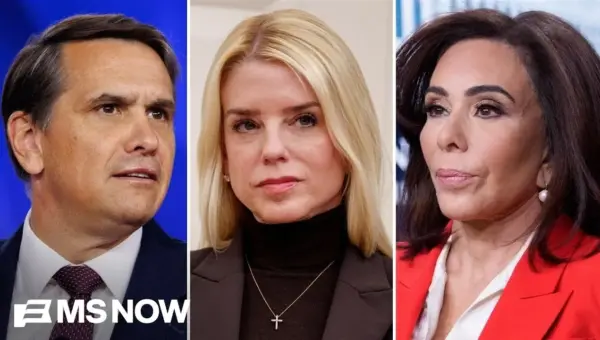
Trump’s Impossible Demands Reshape Justice Department
President Trump's demand for loyalty and action outside legal norms has reshaped the Justice Department. Recent departures, like Pam Bondi's, highlight the difficulty of fulfilling the President's "impossible tasks." The search for a new Attorney General continues amidst concerns about the DOJ's independence.


Trump’s Leadership: A Moral Vacuum for Young Learners?
Young people seek moral guidance from leaders, but what lessons does Donald Trump offer? Some argue his approach teaches negative behaviors like bullying and isolation, contrasting with traits like patience and gratitude seen in others. This raises questions about leadership character and its impact on societal values.