Congress Returns to DC Amid Shutdown, War Concerns
Congressional lawmakers face mounting pressure to end their recess amid a government shutdown and the war in Iran, which are impacting Americans through travel disruptions and rising gas prices. Public trust in Congress is at an all-time low, fueling frustration as elected officials appear to be enjoying time off while constituents struggle with economic anxieties.

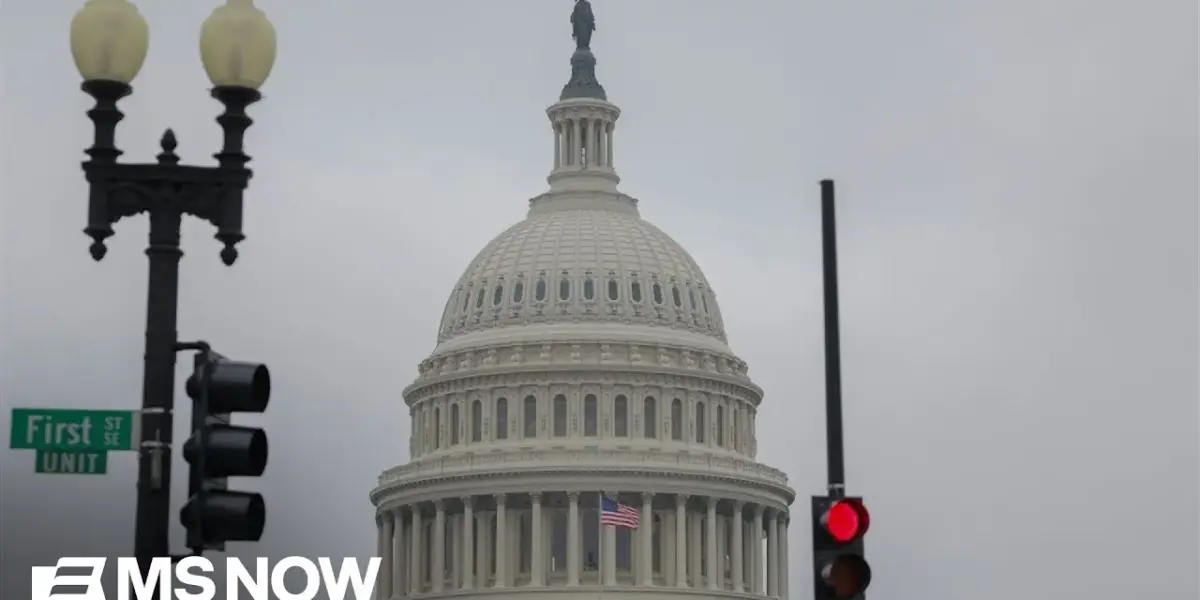
Congress Faces Pressure to End Recess Amid National Crises
Lawmakers in Washington are facing growing calls to cut short their recess and return to the Capitol. The pressure comes as the nation grapples with a partial government shutdown and the escalating fallout from the war in Iran. These crises are directly impacting Americans through travel delays and rising gas prices. However, the lawmakers themselves appear largely unaffected, enjoying their time away from the capital.
Public Frustration Mounts Over Lawmakers’ Absence
As Congress left Washington last week, photos and videos of lawmakers enjoying their time off began circulating online. Celebrity gossip outlet TMZ notably sought out images of politicians on vacation. The pictures showed Democratic Congressman Robert Garcia with his family in Las Vegas and Republican Senator Lindsey Graham at Disney World. Graham explained he was invited to a meeting in Florida and then went to Orlando, but later posted a picture of himself hunting in South Carolina, drawing further criticism. Garcia responded on social media, stating he doesn’t mind TMZ’s actions but believes Speaker Mike Johnson should not have sent them home.
Polls Show Record Low Trust in Congress
National politics reporter Samuel Benson for Politico highlighted that this situation plays into a broader public sentiment. Polling data from Pew and Gallup over the past six months shows that trust in Congress is at or near an all-time low. When Americans see images of long lines at airport security, with some wait times exceeding eight hours, and then see their elected officials hunting or vacationing instead of addressing the shutdown, frustration is understandable. Benson described it as a “lightning in a bottle situation” that outlets like TMZ are capitalizing on.
War in Iran Fuels Economic Anxiety Ahead of Midterms
Beyond the immediate shutdown concerns, the war in Iran is significantly influencing the national mood and the upcoming midterm elections. There are discussions within the White House about the potential for oil prices to reach $150 per barrel. This would be more than double the price before the conflict began, when oil was trading around $70-$73 per barrel. The impact is already being felt at the gas pump, with the national average price exceeding $4 a gallon, and nearing $5 in some key battleground states like Arizona and Nevada. Voters often base their decisions on their pocketbooks, and rising energy costs are a major concern. This economic strain could affect how voters view the party in power during the 2024 election cycle.
Democrats Blame Republicans for Economic Pain
Some Democrats are actively blaming Republicans for the financial hardships Americans are experiencing. Maryland Governor Wes Moore argued that Republicans, who currently control all branches of government, are responsible for the rising costs of gas, food, and healthcare, as well as the dysfunction at airports and the financial commitment to overseas wars. He believes the public sees a disconnect between campaign promises and the current reality. Moore suggested he plans to amplify this message beyond Maryland in the upcoming midterms, a strategy often used by those seeking a higher national profile.
Economic Messaging Challenges for the White House
The current economic climate presents a significant challenge for the White House, especially given President Biden’s campaign promises to lower prices and keep the nation out of foreign conflicts. The war has become all-consuming, preventing the President from conducting the planned affordability tours across the country. This makes it difficult to counter the Democratic message that Republicans are to blame for the rising cost of living. The administration’s focus is now on how and when the President can re-engage with the public on economic issues and address the concerns stemming from the war.
Republicans Concerned, Not Panicked, About Iran Conflict
While Republicans express concern over the war in Iran and its economic impact, they are not reportedly in a state of panic. The party’s base remains largely supportive of former President Trump. However, there is a growing acknowledgment that the conflict might last longer than initially anticipated. The President had stated the engagement would be four to six weeks, and as the fifth week concludes, the potential for a prolonged conflict raises concerns about its long-term economic effects. Republicans seem somewhat reassured by the White House’s stated desire for a shorter conflict, but the uncertainty remains a point of frustration, especially with rising prices.
What to Watch Next
As the government shutdown continues and the war in Iran unfolds, the focus will be on whether Congress reconvenes to address these pressing issues. The upcoming midterm elections will be heavily influenced by voters’ concerns about the economy and the cost of living. It remains to be seen how effectively the White House can shift its messaging to counter accusations of economic mismanagement and how the ongoing international conflict will shape the political landscape in the coming months.
Source: Pressure grows to bring Congress back to DC (YouTube)

Related Articles

Poll Shock: Voters Reject Both Parties, Favor Democrats
A new poll reveals widespread disdain for both major parties, with a significant "double hater" demographic showing a strong preference for Democrats. This trend puts pressure on Republican leaders and highlights a demand for pragmatic solutions over partisan rhetoric. The upcoming elections may see a significant shift as voters seek change.
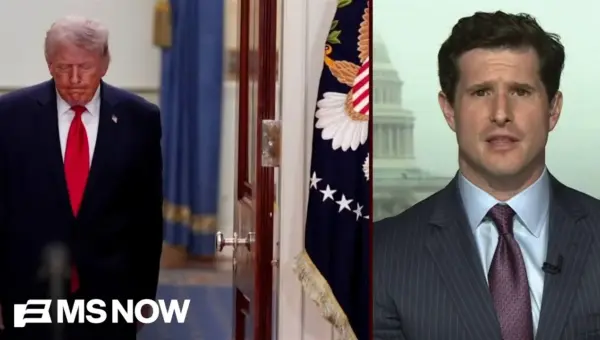
Trump Weighs War Exit Amid Iran Strikes and Internal Debate
President Trump is reportedly facing internal debate over how to end the escalating conflict with Iran, according to a new Time Magazine report. While publicly vowing to increase strikes, privately Trump seeks an "off-ramp" to declare victory and avoid domestic backlash, even as advisors express surprise at Iran's retaliatory attacks.

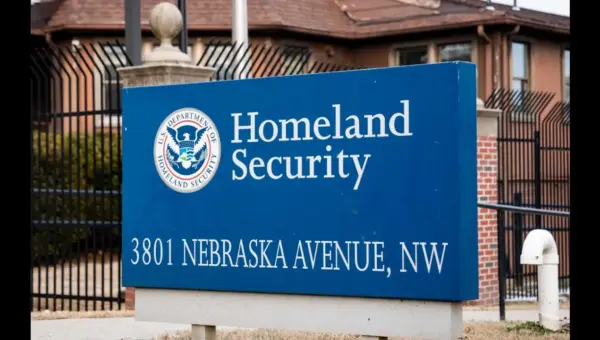
Trump Moves to Pay DHS Staff Amid Funding Stalemate
President Trump plans to sign an executive order to pay DHS employees amid a prolonged shutdown. This action comes as the department faces funding challenges and a review of its contracting policies. Expert Andrew Arthur discusses the need for congressional action and the push for greater accountability and efficiency within DHS.