Trump’s Iran Strategy: Exit Plan or Military Buildup?
President Trump's administration is sending mixed signals regarding its strategy towards Iran, leaving allies uncertain. Recent comments suggest a potential withdrawal based on claimed successes, while other interpretations point to preparations for military action. The situation is further complicated by ongoing Iranian attacks and rising global energy prices.

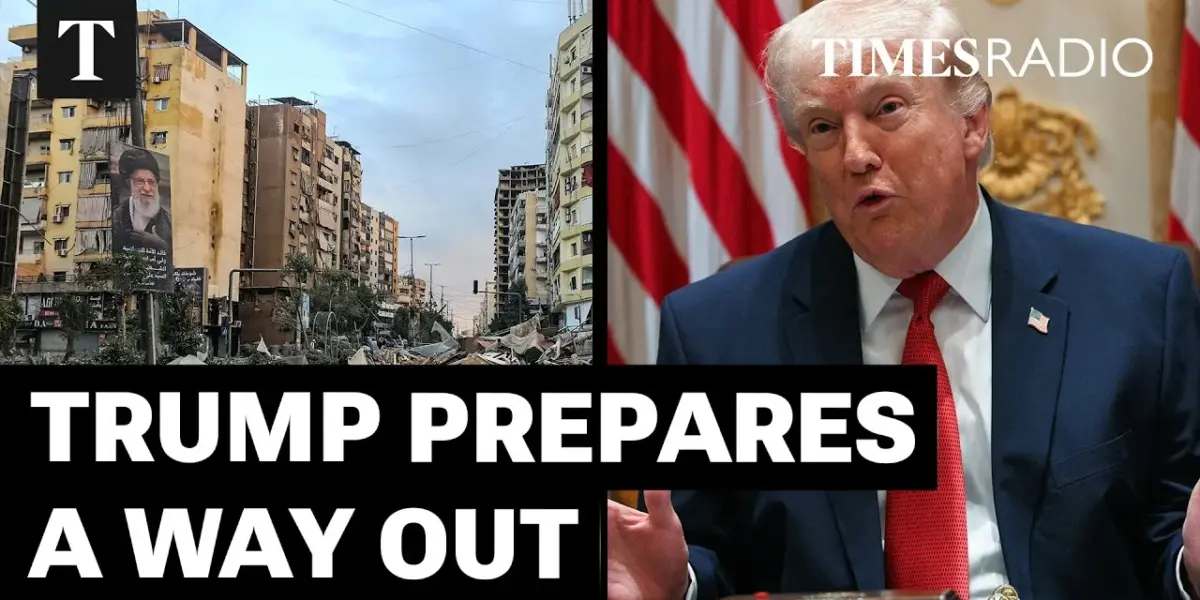
Conflicting Signals Emerge on President Trump’s Iran Policy
President Trump’s administration is sending mixed signals regarding its strategy towards Iran, leaving allies and observers uncertain about the path forward. Recent comments from the President suggest a potential withdrawal from the conflict, citing claimed successes in regime change and the degradation of Iran’s missile and nuclear programs. However, other interpretations point to a strategy of buying time for a significant military operation.
Claims of Success and a Potential Exit
Following recent events, including the death of the former Ayatollah and key security officials, President Trump has indicated that his administration’s goals have been met. Remarks suggest that Iran’s missile program is significantly damaged, with production and storage capabilities severely impacted. Similarly, the nuclear program is reported to be set back. A notable statement from the President regarding 450 kilograms of highly enriched uranium, describing it as deeply buried and inaccessible, further fuels the idea of an impending pivot away from the conflict. This perspective suggests the administration believes it has achieved its objectives, including regime change and the weakening of Iran’s military capabilities, and is now looking to disengage.
“The comments made over the last 24 hours… would set the stage for a possible exit on the basis of what the president claims to be successful regime change.”
Concerns Over Unresolved Attacks and Rising Prices
Despite the optimistic rhetoric, a key driver behind the administration’s actions appears to be growing pressure from a campaign that has not ended Iranian missile and drone attacks on the Gulf. These attacks have targeted critical civilian and hydrocarbon infrastructure, leading to a rise in petrol and diesel prices in the United States. The continued closure of the Strait of Hormuz exacerbates these economic concerns, adding another layer of complexity to the situation.
Alternative Strategy: Awaiting Military Action?
An alternative interpretation of the President’s statements suggests a more strategic approach: using the current rhetoric to mask preparations for a larger military operation. This could involve targeting key locations, such as islands in the Strait of Hormuz or Car Island. However, such military options present significant challenges. Taking and holding territory is complex, and there is a strong likelihood that Iran would respond not with submission, but with escalation across multiple fronts to increase pressure on the United States and its allies.
Internal Divisions and Presidential Decisions
Reports suggest potential divisions within President Trump’s senior team. While some, like Pete Hexath, are reportedly keen on continued military intervention, others appear more skeptical. However, the ultimate decision-making power rests solely with the President, who can shift the course of action from hour to hour. The ambiguity surrounding his final decision leaves many uncertain.
Regional Allies Express Dismay
For Gulf States, the prospect of a U.S. exit is likely to be met with dismay. This conflict has been asymmetrical, pitting sophisticated military powers like the U.S. and Israel against a state with fewer conventional forces. Yet, Iran has consistently escalated in ways that conventional military means have struggled to address. The continued missile and drone attacks, coupled with the closure of the Strait of Hormuz, demonstrate Iran’s ability to withstand pressure. For the Gulf States, an outcome where Iran is perceived as having successfully weathered the storm from two major military powers presents a dangerous precedent.
Strained Relations with Key Allies
President Trump’s attitude towards key allies, including the United Kingdom and the European Union, has been marked by sharp criticism throughout the conflict. While his frustration and anger are evident, it is argued that these sentiments do not fundamentally alter the deep and valuable relationships between the U.S. and these nations. At a professional level, security and intelligence links are believed to be enduring due to mutual interests, despite political rhetoric.
Diplomatic Maneuvers Amidst Tension
Despite the political friction, a visit from the King of the United Kingdom to President Trump is seen as a positive diplomatic move. Such visits are crucial for bolstering challenged relationships and are deeply appreciated by the President, serving the interests of both the U.S. and the UK in preserving their alliance.
Lessons from Lebanon and Gaza
Drawing parallels from conflicts in Lebanon and Gaza, the article highlights the difficulties in achieving definitive strategic outcomes against groups like Hezbollah and Hamas. Past Israeli military actions in Lebanon have not prevented Hezbollah from remaining a significant threat. Similarly, efforts to eliminate Hamas have resulted in Hamas governing Gaza. These situations underscore the complexities of asymmetrical conflicts, where conventional military might does not always translate into desired strategic success.
Source: Trump Is Either Trying To End The War Or Buying Time For Military Action | Former US Ambassador (YouTube)

Related Articles

Pope and Trump Clash Over Iran, Faith Sees Youthful Revival
Pope Francis's calls for peace contrast with President Trump's policies, particularly concerning Iran. Meanwhile, a surprising number of young Americans are turning to the Catholic Church, seeking deeper meaning and unconditional love in a complex world.

US Military Risks All for Downed Pilot
American air crews fly into dangerous enemy territory knowing the entire U.S. military will work tirelessly to bring them home if shot down. This commitment highlights extreme risks and historical parallels, showcasing the nation's dedication to its service members.
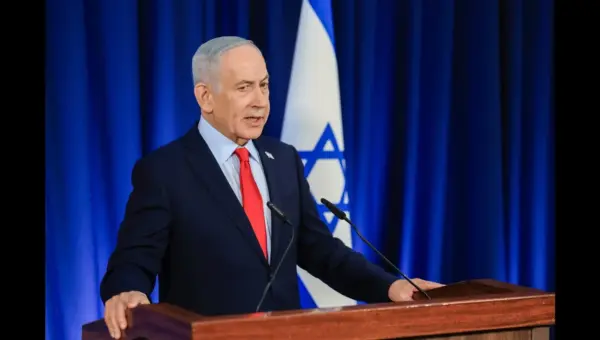
Israel Cripples Iran’s War Machine: 70% of Steel Output Gone
Israeli Prime Minister Benjamin Netanyahu announced a major strike against Iran's military funding. He claims Israel destroyed 70% of Iran's steel production capacity, significantly weakening the Revolutionary Guard Corps. This action is part of a long-standing conflict and could have major implications for regional stability.