DHS Faces ‘Dangerous Time’ Amid Funding Crisis
Former acting DHS Secretary Chad Wolf described the current funding lapse for homeland security personnel as a "very dangerous time." Many essential workers, including cybersecurity experts, are going unpaid, raising national security concerns.

DHS Faces ‘Dangerous Time’ Amid Funding Crisis
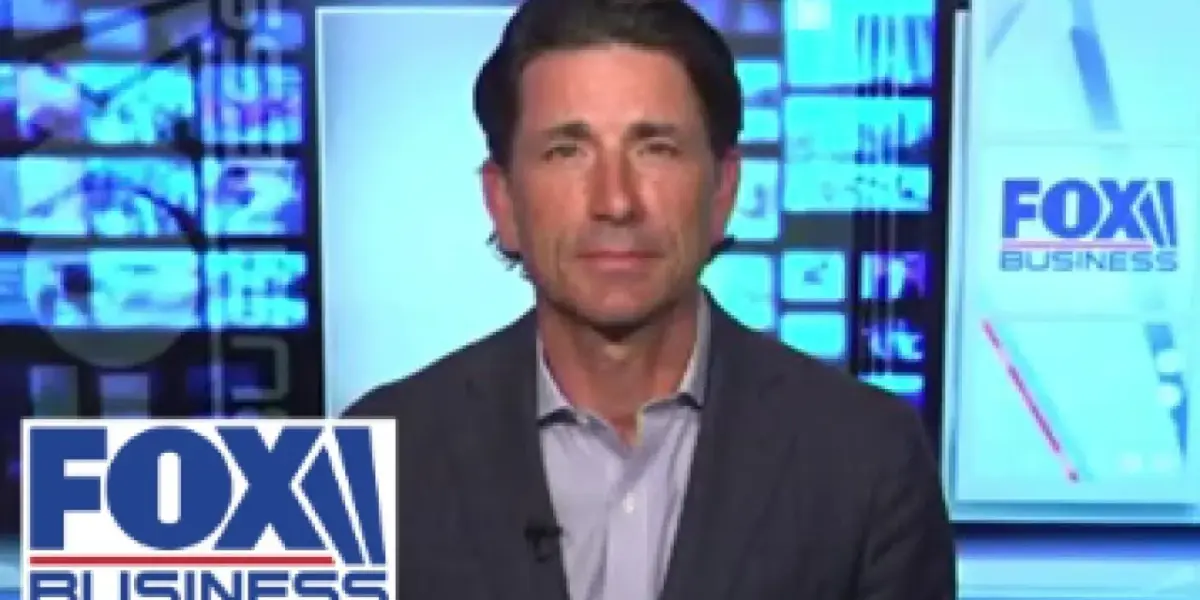
Former acting Department of Homeland Security (DHS) Secretary Chad Wolf warned of a “very dangerous time” for the nation due to ongoing funding issues affecting critical security personnel. Speaking on Fox News, Wolf highlighted that a significant portion of DHS employees, including those in vital cybersecurity roles, are not receiving paychecks. This situation is particularly concerning given heightened threats both overseas and domestically.
Unpaid Essential Workers
Wolf stated that over two-thirds of the cybersecurity agency within DHS is currently not working and not getting paid. He also mentioned that Coast Guard members and Secret Service agents are among those affected by the funding lapse. This lack of payment impacts thousands of DHS employees, with some facing their fifth week without a paycheck.
The former acting secretary emphasized the importance of these frontline officers and agents. Whether they are aviation screeners, border patrol agents, or cybersecurity experts, their ability to perform their duties is compromised when they are worried about basic needs like food and rent. Wolf argued that this is the wrong time for such a lapse, especially with international conflicts and domestic security concerns.
Calls for Congressional Action
The situation has led to calls for Congress to return from its Easter recess to address the funding gap. President Trump has reportedly considered asking Congress to return for a special session. Some DHS employees have expressed frustration, calling the congressional recess “unreal” and “ridiculous” while they go unpaid.
One DHS employee told Fox News, “Speaker Mike Johnson, call the House back to session. We have a war with Iran going on, a partial government shutdown. TSA officers who need to get paid, ICE reforms that need to be made, and yet you put the House in a two-week vacation.” The sentiment is that lawmakers should be present to tackle these crises.
Presidential Executive Order and its Limits
President Trump has issued an executive order aimed at ensuring TSA agents receive pay. This move aims to alleviate some of the immediate pressure, particularly for the visible security personnel travelers encounter daily. However, Wolf pointed out that this order does not cover all affected DHS employees.
While paying TSA agents helps millions of travelers avoid long lines, it doesn’t solve the broader funding problem for other crucial DHS divisions. Wolf suggested that focusing only on TSA might reduce the pressure on Congress to pass a comprehensive funding bill. He believes the entire Department of Homeland Security needs proper funding, especially during a heightened threat environment.
Market Impact and Investor Considerations
What Investors Should Know:
- National Security Concerns: Funding lapses for homeland security personnel can raise concerns about the nation’s ability to respond to threats. This instability can affect investor confidence in sectors tied to national security and government contracts.
- Economic Disruptions: While not explicitly detailed in the transcript, prolonged government shutdowns or funding gaps can lead to broader economic disruptions. This can impact various industries, from travel to technology, depending on the scope of the affected agencies.
- Political Uncertainty: The ongoing political debate and potential for special sessions highlight the level of political uncertainty. Investors often react negatively to such uncertainty, leading to market volatility.
- Focus on Essential Services: The situation underscores the critical nature of essential government services. Investors may increasingly consider the resilience and operational stability of companies reliant on or interacting with these services.
Long-Term Implications
The current funding dispute highlights a recurring challenge in governmental budgeting and national security prioritization. The ability of Congress to reach agreements on funding essential departments like DHS has long-term implications for national preparedness and economic stability. Investors will be watching to see if these disputes become more frequent or severe, potentially impacting government spending patterns and the sectors that rely on them.
The ongoing debate also raises questions about the effectiveness of current legislative processes in addressing urgent national security needs. A stable and fully funded DHS is crucial for maintaining public trust and ensuring the smooth operation of critical infrastructure and security operations across the country.
Source: We're in a 'VERY DANGEROUS TIME': Former acting DHS Secretary says (YouTube)

Related Articles


Trump’s Silence on Russian Attacks Stuns Critics
Critics are questioning President Trump's silence on Russia potentially using intelligence to target U.S. troops. A complex web of global oil sales and drone purchases is highlighted, raising concerns about national security. This situation underscores the need for a clear and assertive foreign policy.

US Battles China for Farmland Control
The U.S. is strengthening efforts to prevent foreign entities, particularly China, from acquiring American farmland. Citing national security concerns, the USDA is working with states and federal agencies to monitor and restrict such purchases, while also promoting domestic food production.
Congress Flees Amid Shutdown, Iran War: Analyst Slams ‘Self-Inflicted Wound’
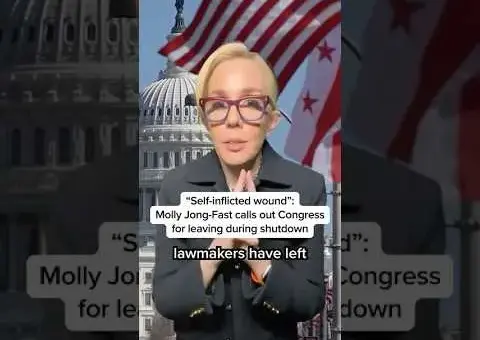
Political analyst Molly Jong-Fast criticizes Congress for leaving during a partial DHS shutdown and escalating Iran conflict, calling it a "self-inflicted wound." She suggests Speaker Mike Johnson is using the recess to avoid difficult legislation, leaving the nation vulnerable.