Prediction Markets Turn Global Crises Into Bets
Online prediction markets like Polymarket and Kalshi are turning global crises into tradable assets, allowing users to bet on future events, including wars and elections. While these platforms have shown remarkable accuracy in forecasting geopolitical developments, they are facing increasing scrutiny over potential insider trading and regulatory concerns.

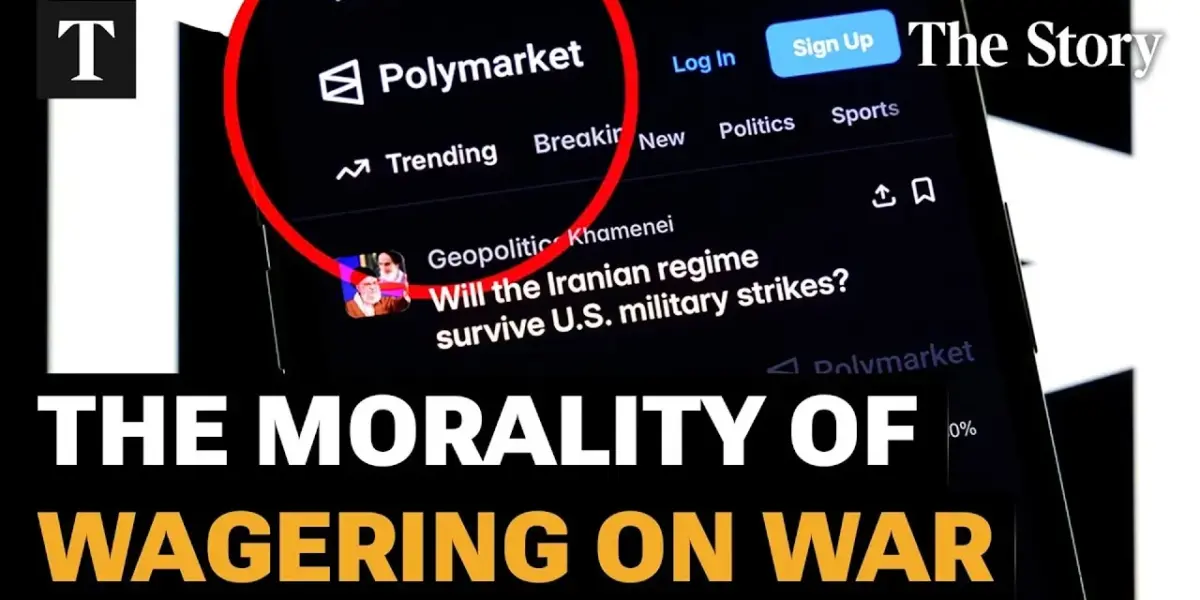
Global Events Now Tradable Assets on Prediction Markets
The unfolding conflict in the Middle East has brought shock and horror to many. However, for some, these global events are becoming opportunities to make money. Online prediction markets, like Polymarket and Kalshi, allow users to place bets on a wide range of future events, including the outcomes of wars and political developments.
These platforms have seen a surge in activity, with users wagering on everything from ceasefires and troop movements to election results. Some individuals have reportedly earned significant sums by accurately predicting geopolitical events, raising questions about the nature and impact of these markets.
What Are Prediction Markets?
Prediction markets function as betting sites, but they are often regulated as financial instruments. Users wager money on whether a specific future event will occur. If their prediction is correct, they can earn money.
These markets cover a vast array of topics, including politics, sports, cryptocurrency, and even niche geopolitical situations like the conflict in Iran. For example, users can bet on when a ceasefire might occur, who will control key territories, or who will hold leadership positions by a certain date.
Explosive Growth and Key Players
The prediction market industry has experienced rapid growth. One report indicates a 400% increase in market size between 2024 and 2025, reaching an estimated $64 billion. This expansion has been fueled by increased accessibility and a growing public interest in these platforms.
The dominant players in this space are Polymarket and Kalshi. While Kalshi is a significant platform, Polymarket appears to have captured more public attention. Both companies market themselves not just as betting sites, but also as alternative news sources that reflect public sentiment and offer insights into future trends.
Roots in a Liberalized Betting Landscape
The rise of prediction markets is partly linked to broader changes in the betting industry. In 2018, the US Supreme Court legalized sports betting, which opened the door for more betting-related platforms to emerge and gain acceptance.
Kalshi was founded in 2018, the same year sports betting was liberalized, and Polymarket launched two years later. The growth of cryptocurrency also played a role, providing a medium for transactions and attracting users with substantial digital assets who were willing to take risks.
The Biden Debate That Ignited Speculation
A pivotal moment for prediction markets occurred during the 2024 US presidential election cycle. Joe Biden’s perceived weak performance in a key debate sparked massive speculation about his candidacy.
Users bet heavily on whether Biden would drop out of the race and who might replace him. Many correctly predicted he would not continue, leading to significant payouts and highlighting the markets’ potential as forecasters. During that election, an estimated $3.6 billion was wagered, with one French trader reportedly making $85 million on a single bet predicting Donald Trump’s victory.
Trump Administration and Market Access
Interestingly, the market landscape shifted during the Trump administration. Under previous leadership, Polymarket faced restrictions in the US and required users to employ VPNs to access the platform.
However, Donald Trump reportedly dropped an investigation into a Polymarket executive shortly after taking office. Subsequently, Polymarket’s access was enabled for US users. Furthermore, Donald Trump Jr. became an advisor to both Polymarket and Kalshi, suggesting a level of presidential backing for these platforms.
Predicting Conflict and Controversy
Prediction markets have also demonstrated an uncanny ability to forecast military actions. Weeks before the recent conflict in Iran began, hundreds of thousands of dollars were wagered on an attack occurring that weekend, which then happened.
Similarly, significant bets were placed on a US-Iran ceasefire before it was publicly announced. These accurate predictions have led to accusations of insider trading, with authorities in Israel arresting individuals on suspicion of using classified information to bet on military operations.
Regulatory Scrutiny and Industry Response
The accuracy and potential for insider trading have drawn increased regulatory attention. Arizona is suing Kalshi, alleging it operates as an illegal gambling business by allowing bets on state elections. Nevada has also banned Kalshi.
In response, both Polymarket and Kalshi have tightened their rules to prohibit trading based on confidential information and to prevent individuals from betting on events they could influence, such as their own political campaigns or sports they participate in.
The Blurring Lines of Gambling and Investing
Journalists and critics express concern about the blurring line between gambling and investing. The ability to bet on events like wars and potential assassinations is seen as ethically troubling and potentially dehumanizing.
There is a fear that these markets, by presenting serious events as games, detach people from the human consequences. This gamification of geopolitics raises questions about societal values and the impact of treating global instability as a tradable asset.
The Future of Prediction Markets
Despite controversies, prediction markets are likely here to stay. Their popularity and the public’s appetite for them suggest they will continue to evolve, likely with increased oversight and stricter regulations.
The challenge remains to balance the utility of these markets as forecasting tools with the need to prevent manipulation and ensure fair play. As these platforms become more integrated into the global information landscape, their influence on public perception and potentially even on events themselves will be closely watched.
Source: Why Global Instability Is Becoming a Tradable Asset (YouTube)

Related Articles

Markets Rally on War End Hopes, But Risks Remain
Global markets surged on hopes of a swift end to the Iran conflict, but analysts warn that elevated oil prices and ongoing geopolitical risks could still significantly impact economic growth. The true economic fallout may not yet be fully reflected in stock prices.

US Faces Iran War Test Amid Shifting Goals
President Trump faces a critical juncture in the war with Iran, with shifting objectives and domestic pressures influencing his strategy. Iran's control over the Strait of Hormuz presents a significant challenge, testing American resolve and global leadership.
NATO Crumbles as Allies Shun U.S. Over Oil and Arctic Defense
NATO allies are showing signs of fracture, prioritizing national interests over collective security, impacting global oil routes and Arctic defense. European nations are urged to secure their own energy, while Spain's refusal of U.S. air power highlights growing disunity. President Trump's upcoming address will likely focus on these issues and domestic economic concerns.