US Faces Iran War Test Amid Shifting Goals
President Trump faces a critical juncture in the war with Iran, with shifting objectives and domestic pressures influencing his strategy. Iran's control over the Strait of Hormuz presents a significant challenge, testing American resolve and global leadership.

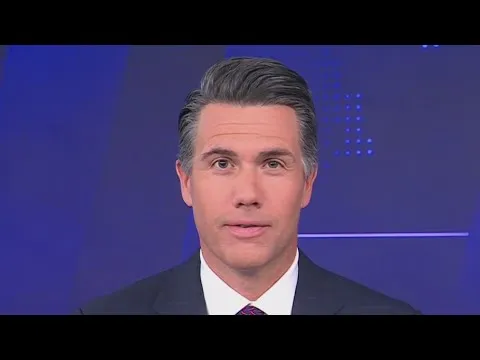
US Faces Iran War Test Amid Shifting Goals
President Trump is set to address the nation about the ongoing conflict with Iran. His administration’s objectives in the war appear to be changing, creating uncertainty about America’s path forward. This situation is not just a military challenge but a test of political will, both domestically and internationally.
A Nation Divided on War Aims
The core message from some within the Trump administration is clear: once America is at war, it must win. This viewpoint suggests that there is no room for compromise or withdrawal when American forces are engaged. However, it is unclear if President Trump fully shares this unwavering commitment to victory above all else. His administration has signaled a desire for an ‘off-ramp’ from the conflict, indicating a search for a way to end the war.
Trump Seeks an Exit Strategy
President Trump seems eager to find a deal with Iran, possibly within the next six weeks. This urgency is reportedly linked to concerns about rising gas prices. The Strait of Hormuz, a vital oil shipping route, has been targeted by Iran, potentially disrupting global energy supplies. This action could be seen as Iran’s way of pressuring Trump, especially with domestic concerns about the cost of fuel.
Iran’s Strategic Leverage
Iran has demonstrated its ability to close the Strait of Hormuz, giving it a significant advantage. This move directly impacts global oil markets and puts pressure on the US. The transcript suggests that Iran understands this is not just a war of military strength, but a battle of political resolve. By making the conflict painful, Iran may believe it can force the US to back down.
Shifting Positions and Public Opinion
The administration’s stance on Iran has evolved rapidly. What began with calls for ‘unconditional surrender’ has shifted to discussions of a potential ‘deal.’ The objective of ‘regime change’ has also softened, with the focus now on preventing Iran from obtaining nuclear weapons for an extended period. These changes suggest a flexibility in strategy, possibly driven by domestic political pressures and the upcoming midterm elections.
The Risk of Perceived Weakness
A key concern highlighted is the risk of an American president appearing to be influenced by gas prices or public opinion. If the US withdraws or compromises due to economic pressure, it could signal weakness to adversaries. This includes not only Iran but also other global powers like North Korea, China, and Russia. Such a perception could embolden them to use similar tactics in the future.
Military Performance vs. Political Will
While the US military has been performing exceptionally well, the real challenge lies in the political arena. The ability to act ‘at the time and place of our choosing,’ a phrase often used in military strategy, seems limited by the current situation. Iran’s control over the Strait of Hormuz shows they can dictate terms, putting America in a reactive position.
Restoring Deterrence: A High Bar
The opportunity exists for President Trump to restore American deterrence, but this requires bringing Iran to its knees militarily and politically. The current situation, where Iran can successfully disrupt vital shipping lanes, suggests this goal has not yet been achieved. The transcript notes that despite military actions, Iran’s anti-aircraft capabilities and defenses appear intact, and the Strait of Hormuz remains a point of contention.
Historical Context: ‘If You Break It, You Own It’
The principle often cited in foreign policy, ‘If you break it, you own it,’ attributed to Colin Powell, is relevant here. While the war with Iran is not about breaking and owning a nation in the traditional sense, the idea of responsibility for initiating conflict is crucial. Leaving a conflict unfinished after starting it does not build respect or deter future aggression. It teaches adversaries that making the conflict painful enough will lead to American withdrawal.
Global Impact: A Test for American Leadership
This conflict and the administration’s handling of it have significant implications for the global order. The ability of a US president to project strength and maintain resolve in the face of economic and political pressure is being closely watched. A perceived retreat could embolden rivals and undermine alliances. Conversely, a decisive victory, if achievable and sustainable, could reassert American influence. The outcome will shape perceptions of US commitment and its capacity to manage international crises, impacting future diplomatic and military engagements worldwide.
Future Scenarios
Several paths lie ahead. The US could pursue a decisive military victory, aiming to cripple Iran’s ability to wage war and disrupt shipping. Alternatively, a negotiated settlement could be reached, though the terms and lasting impact remain uncertain. A prolonged stalemate, where the US remains engaged but without clear objectives or a path to victory, is also a possibility, risking further erosion of domestic support and international standing. The administration’s ability to balance military objectives with political realities and public opinion will be critical in determining which scenario unfolds.
Source: America must win war with Iran despite Trump's unclear objectives: Vittert | On Balance (YouTube)

Related Articles

Markets Rally on War End Hopes, But Risks Remain
Global markets surged on hopes of a swift end to the Iran conflict, but analysts warn that elevated oil prices and ongoing geopolitical risks could still significantly impact economic growth. The true economic fallout may not yet be fully reflected in stock prices.

NATO Crumbles as Allies Shun U.S. Over Oil and Arctic Defense
NATO allies are showing signs of fracture, prioritizing national interests over collective security, impacting global oil routes and Arctic defense. European nations are urged to secure their own energy, while Spain's refusal of U.S. air power highlights growing disunity. President Trump's upcoming address will likely focus on these issues and domestic economic concerns.

US Allies Face Oil Crisis as Trump Shifts Burden
President Trump's stance on allies securing the Strait of Hormuz signals a major shift in US foreign policy, risking global economic stability. Rising oil prices are already impacting consumers, with further price hikes expected for everyday goods. This disruption highlights the interconnectedness of the global economy and could reshape international alliances.