Supreme Court Weighs Birthright Citizenship Challenge
The Supreme Court is reviewing the constitutionality of birthright citizenship for children born to undocumented immigrants. Arguments focus on the 14th Amendment's 'subject to its jurisdiction' clause. A ruling could reshape citizenship law and spark significant political debate.

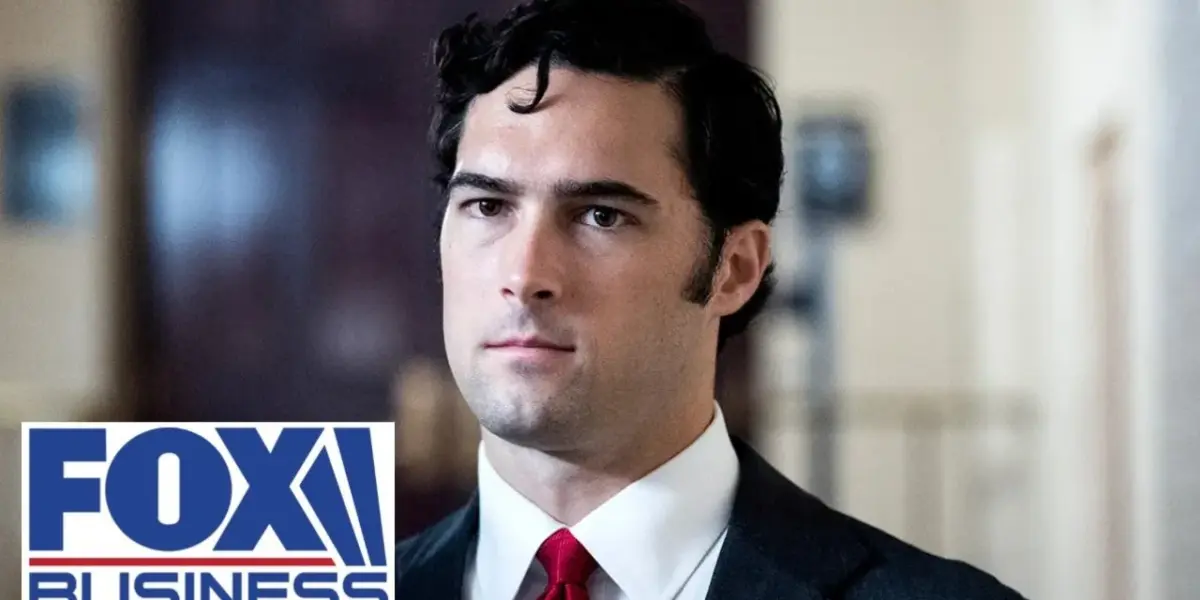
Supreme Court Considers Birthright Citizenship
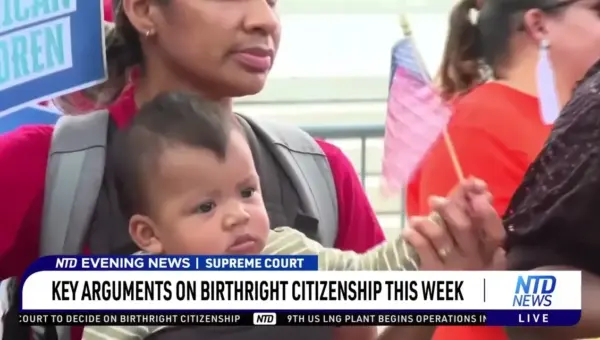
The Supreme Court is set to hear arguments on a case that could significantly alter the understanding of birthright citizenship in the United States. The core of the debate centers on whether children born on U.S. soil to parents who have illegally crossed the border should automatically be granted citizenship.
This case stems from an executive order by former President Trump. Supporters of the order argue that the current interpretation of the 14th Amendment is being exploited. They claim individuals are entering the country, having children, and then receiving U.S. citizenship for those children. This practice, they suggest, is financially beneficial to those facilitating such entries, leading to significant financial gains.
Understanding Birthright Citizenship
Birthright citizenship, often referred to as jus soli (Latin for “right of soil”), generally grants citizenship to anyone born within a country’s territory. In the U.S., this principle is rooted in the 14th Amendment, which states that all persons born or naturalized in the United States and subject to its jurisdiction are citizens.
However, legal scholars and some politicians argue that the 14th Amendment’s clause “subject to its jurisdiction” has historical exceptions. These include the children of foreign diplomats, Native American children with tribal relations, and children of invading armies. These groups, while born on U.S. soil, were not historically considered U.S. citizens because they were not fully subject to U.S. laws or did not owe allegiance to the United States.
The Legal Argument
Proponents of challenging birthright citizenship for children of undocumented immigrants argue that individuals who have crossed the border illegally are not fully subject to U.S. jurisdiction. They contend that these individuals do not owe complete allegiance to the United States, a key requirement of the 14th Amendment. Therefore, their children, born on U.S. soil, should not automatically qualify for citizenship under this amendment.
This perspective suggests that the current broad interpretation of birthright citizenship is not constitutionally sound. It is seen by some as an illogical outcome, especially when compared to historical legal interpretations and the specific wording of the 14th Amendment. The argument is that U.S. taxpayers are effectively supporting individuals who have not followed legal entry procedures.
Justices to Watch
When the Supreme Court hears the case, attention will be focused on the questioning from the conservative justices. Justices like Samuel Alito and Clarence Thomas are often seen as key figures whose questions and opinions can shape the court’s direction. Their engagement with the legal arguments will be closely monitored for insights into how the court might rule.
The Trump administration’s legal team is reportedly confident in their case. They believe they have a strong constitutional basis for their argument that birthright citizenship should not automatically apply to children born to parents who are in the country unlawfully. The hope among supporters is that the Supreme Court will agree with this interpretation.
Potential for a Narrow Ruling
There is always a possibility that the Supreme Court might issue a ruling that does not fully address the broader implications of birthright citizenship. Sometimes, high-profile cases can be decided on narrower legal technicalities. This means the court might focus on specific aspects of the case, such as the definition of “subject to its jurisdiction,” without making a sweeping change to citizenship law.
However, the core issue remains whether individuals who do not adhere to U.S. laws or owe allegiance to the country can have children who immediately become U.S. citizens. This question, supporters argue, should withstand straightforward constitutional scrutiny.
Broader Context: Judicial Overreach Claims
This case is being discussed alongside other legal challenges involving the Trump administration. For instance, a judge previously blocked the administration from ending federal funding to public broadcasters like NPR and PBS. Critics often label such actions as judicial overreach, where unelected judges are seen as interfering with executive or legislative decisions.
In response to funding cuts for public broadcasting, some have argued that organizations like the Corporation for Public Broadcasting have already ceased operations. They suggest that the political opposition to these cuts is partly fueled by the ability to direct taxpayer money through these organizations for political purposes. The potential for a Supreme Court ruling against birthright citizenship for children of undocumented immigrants could lead to significant reactions from those on the left, similar to the strong opposition seen regarding NPR and PBS funding.
What Investors Should Know
While this case is primarily a legal and constitutional matter, significant shifts in immigration and citizenship law can have indirect economic impacts. Changes to birthright citizenship could affect future labor markets and demographic trends. However, the immediate impact on financial markets is likely to be limited unless the ruling leads to broader policy changes that directly influence business operations or consumer spending.
Investors should monitor any legislative responses or further legal challenges that may arise from a Supreme Court decision. The long-term implications will depend on how policy evolves regarding immigration and the integration of immigrant communities into the U.S. economy. For now, the focus remains on the constitutional arguments being presented to the court.
Source: Rep Brandon Gill: This is not ‘constitutionally sound’ (YouTube)

Related Articles

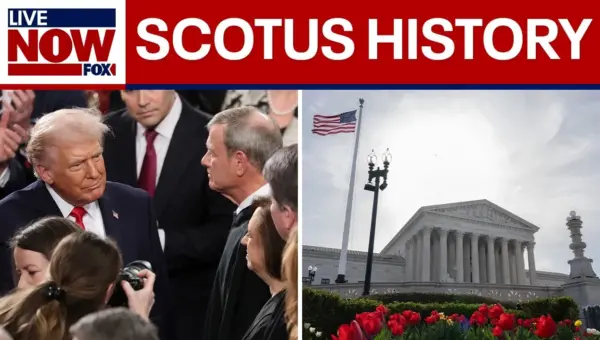
Trump Attends Supreme Court Birthright Citizenship Hearing
President Trump made an unprecedented appearance at the Supreme Court to hear arguments on his executive order challenging birthright citizenship. The case hinges on the interpretation of the 14th Amendment's Citizenship Clause. A ruling against birthright citizenship could have profound effects on millions of U.S.-born children of non-citizen parents.
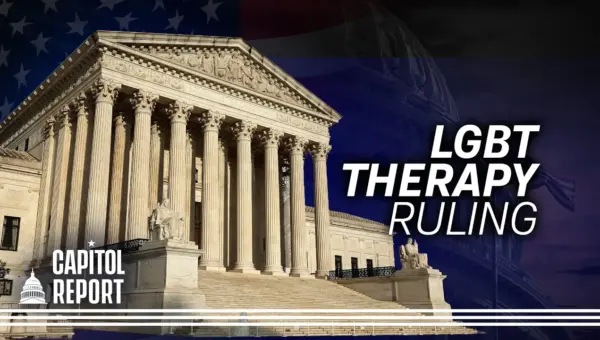
SCOTUS Shields Speech: Free Speech Wins, But Harm to Kids Unproven
The Supreme Court ruled 8-1 that states cannot ban therapists from discussing certain topics with clients, a victory for free speech advocates. The decision noted a lack of statistics proving harm to children undergoing such therapy, emphasizing First Amendment protections even on controversial subjects.
Trump’s Birthright Citizenship Order Faces Supreme Court Test
The Supreme Court is hearing arguments on President Trump's executive order aiming to restrict birthright citizenship. The case questions the long-standing interpretation of the 14th Amendment, which grants citizenship to nearly everyone born in the U.S. The administration argues this was not the original intent, while opponents fear a radical rewriting of constitutional law.