US Battles China for Farmland Control
The U.S. is strengthening efforts to prevent foreign entities, particularly China, from acquiring American farmland. Citing national security concerns, the USDA is working with states and federal agencies to monitor and restrict such purchases, while also promoting domestic food production.

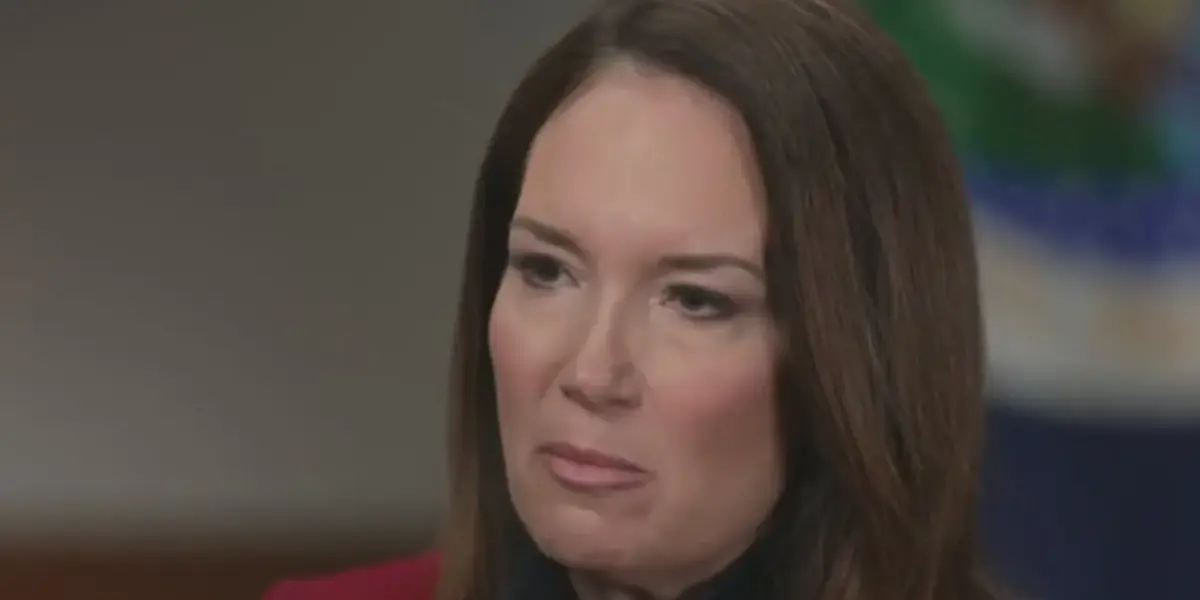
US Battles China for Farmland Control
The United States is taking new steps to protect its agricultural land from foreign ownership, especially from China. The Trump administration is highlighting its focus on American farmers and the nation’s food supply as a key national security issue. A new website, OnlyFarms.gov, was launched to show the work being done to support farmers.
Protecting American Farms is a National Security Priority
Agriculture Secretary Sonny Perdue explained that for decades, the U.S. has sent its food production overseas. This has led to a consolidation of the food industry and increased foreign interest in American farmland. The number of small and mid-sized family farms has dropped significantly, with nearly 150,000 lost in the last 15 years. Perdue believes this trend is unsustainable and a threat to national security. He stated that the USDA’s focus is shifting back to supporting American farmers and ranchers, rather than solely concentrating on issues like climate change and diversity, equity, and inclusion (DEI) which he says were priorities for the previous administration.
China’s Growing Land Holdings Raise Concerns
A major concern is the increasing amount of American farmland owned by China. In 1983, China owned about 2,000 acres of U.S. farmland. Today, that number has jumped to nearly 300,000 acres. A concerning pattern shows that much of this land was purchased near U.S. military bases. This proximity to sensitive sites makes the issue a national security matter, not just an agricultural one.
New Measures to Block Foreign Farmland Purchases
The USDA is now taking a more active role. For the first time, the Secretary of Agriculture sits on the Committee on Foreign Investment in the United States (CFIUS), which reviews foreign purchases. This committee, along with the Secretaries of Treasury and others, now examines every foreign purchase of American farmland. While a federal ban on foreign farmland ownership would require action from Congress, legislative efforts have come close to passing in recent years. The USDA is also promoting a “Product of USA” label for products like poultry and beef to help consumers identify American-made goods.
States Lead the Charge Against Foreign Ownership
While federal action is being pursued, states are currently the main barrier against foreign farmland acquisition. Many states, including South Dakota, Arkansas, Texas, and Florida, have passed laws preventing foreign entities from buying agricultural land. South Dakota Governor Kristi Noem has been particularly aggressive in this fight. Perdue emphasized that these state-level changes are more likely to have a lasting impact because they are not dependent on shifts in presidential administrations.
The Data Center Dilemma
The U.S. faces a growing tension between the need for new infrastructure like data centers, which are crucial for technological advancement and the AI race, and the preservation of family farms. Some companies are offering large sums of money for farmland to build these facilities. Perdue acknowledged this challenge, stating that both technological leadership and food production are vital for national security. He believes these goals should not be mutually exclusive, but the priority must be to preserve the American way of life and ensure the country can feed itself.
Why This Reshapes the World Order
This focus on securing agricultural land reflects a broader geopolitical trend: nations are increasingly viewing food security as a critical component of national security. As global supply chains face disruptions and geopolitical rivalries intensify, countries are looking to control essential resources like food production. The U.S. action signals a potential shift away from open markets for agricultural land towards a more protectionist approach, driven by concerns about foreign influence and strategic vulnerability. This could influence how other nations approach land ownership and agricultural policy.
Historical Context
Concerns about foreign ownership of land in the United States are not new. Historically, there have been periods of debate and regulation regarding alien land ownership, particularly in the early 20th century. However, the current focus is amplified by the scale of foreign investment and the strategic implications, especially concerning potential adversaries like China. The USDA’s increased involvement in national security discussions regarding agriculture connects to a long-standing understanding that a nation’s ability to feed its people is fundamental to its stability and power.
Economic Leverage and Future Scenarios
The U.S. is using its regulatory power to influence foreign investment in agriculture. While direct sanctions against countries buying farmland are not mentioned, the promotion of “Product of USA” labels and the scrutiny of foreign purchases act as economic deterrents. Future scenarios could include a federal ban on farmland ownership by citizens of certain adversarial nations, or continued state-by-state action. It’s also possible that international agreements could be revisited to address cross-border agricultural land investments. The outcome will depend on congressional action and the administration’s ability to coordinate with states.
Source: How USDA plans to stop China buying American farmland | Katie Pavlich Tonight (YouTube)

Related Articles


Trump’s Silence on Russian Attacks Stuns Critics
Critics are questioning President Trump's silence on Russia potentially using intelligence to target U.S. troops. A complex web of global oil sales and drone purchases is highlighted, raising concerns about national security. This situation underscores the need for a clear and assertive foreign policy.

Foreign Hackers Target Trump’s Inner Circle
Reports suggest foreign governments, particularly Iran, have hacked data from individuals close to Donald Trump, including FBI Director Cash Patel. This highlights concerns about election interference and national security. The incidents raise questions about the security of sensitive information and the integrity of democratic processes.


Terror Threats Rise Amidst Political Gridlock
Heightened terror threats, including a Hezbollah-inspired attack in Michigan, are occurring amidst political gridlock and a government shutdown. This situation raises serious concerns about national security and the impact on agencies like ICE and Border Patrol. Investors face increased uncertainty as geopolitical tensions and domestic political instability intersect.