US Allies Face Oil Crisis as Trump Shifts Burden
President Trump's stance on allies securing the Strait of Hormuz signals a major shift in US foreign policy, risking global economic stability. Rising oil prices are already impacting consumers, with further price hikes expected for everyday goods. This disruption highlights the interconnectedness of the global economy and could reshape international alliances.

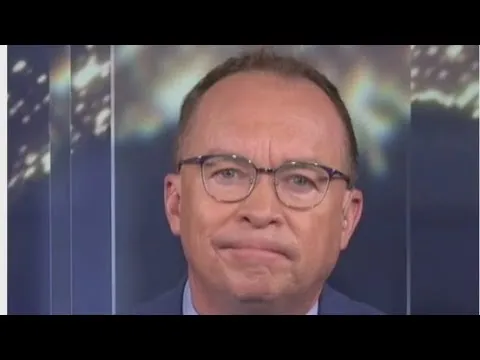
US Allies Face Oil Crisis as Trump Shifts Burden
Recent comments from former White House officials suggest a significant shift in how the United States views its role in global energy security. The core of this change centers on the Strait of Hormuz, a vital shipping lane for oil. President Trump’s stance, as interpreted by former Chief of Staff Mick Mulvaney, is that European allies should take responsibility for securing this route themselves. This approach carries substantial risks for both the US and its partners, impacting everything from gas prices at the pump to the cost of everyday goods.
Rising Energy Costs Hit Consumers Hard
The immediate impact of energy supply concerns is felt at the gas station. The average price of gasoline has recently crossed the $4 per gallon mark. This is more than just a number; it’s a psychological barrier for many Americans. Experts note that gas stations often absorb small price increases to stay below this threshold. However, current market pressures make such courtesies unlikely. This rise in fuel costs doesn’t just affect drivers; it makes nearly everything more expensive.
Consider the cost of food, like chicken, a staple in American diets. The journey from farm to table involves significant fuel expenses at every step. Diesel tractors are used to grow the grain that feeds the chickens. Diesel trucks then transport the birds to processing plants, which are also heavy energy users. Finally, refrigerated trucks deliver the processed chicken to grocery stores, where it sits in energy-consuming display cases. All these costs are passed on to the consumer.
Economists warn that the full effect of higher oil prices on other goods is delayed. This means that even if oil prices stabilize, consumers could see further price increases for groceries and other items in the near future. The situation is compounded by concerns that if the conflict in the Strait of Hormuz is not resolved, supply shocks could lead to even higher prices and slower economic growth worldwide.
Trump’s “Get Your Own Oil” Strategy Questioned
Mick Mulvaney, who served in key roles in the Trump administration, expressed surprise at the President’s comments regarding the Strait of Hormuz. Mulvaney understands that the US does not rely heavily on oil passing through this specific waterway. However, he questions the wisdom of telling European allies to handle its security independently. “I don’t understand this actually saying, ‘Okay, you take care of this,’ because either they won’t or they can’t,” Mulvaney stated. He views this as a significant risk, potentially placing America’s economic future in the hands of allies who may lack the capability or will to ensure its safety.
The global oil market is interconnected. Even if the US doesn’t import much oil from the Strait of Hormuz, it is still affected by global price fluctuations. Mulvaney suggests that President Trump is looking for a way to de-escalate the situation, possibly seeking an “off-ramp” from current tensions. However, he points out that the Strait must be reopened, either through negotiation or military action, to avoid putting America at great risk. While Iran may be weaker now, the price of that perceived safety could be high and is yet to be fully realized by the public.
Global Economic Slowdown Looms
The International Monetary Fund (IMF) has issued a stark warning: higher prices and slower economic growth are likely, regardless of how the current geopolitical situation resolves. In Asia, countries like Australia are already experiencing gasoline rationing. In the United States, families could face an additional $700 to $1,200 in expenses annually if current gas prices persist. This financial strain could lead to reduced consumer spending, slowing down the economy.
Experts predict a potential scenario of stagflation – a combination of rising prices (inflation) and slow economic growth. This can negatively impact the job market, which has already shown signs of slowing. The Organization for Economic Cooperation and Development (OECD) forecasts inflation rates that are double the Federal Reserve’s target. Consumers are not just concerned about gas prices; they are noticing higher costs for everyday items like chicken and other necessities.
Beyond Oil: The Impact on Other Goods
The disruption in the Strait of Hormuz affects more than just crude oil and gasoline. Derivatives from crude oil are crucial for many industries. This includes jet fuel, leading to anticipated price hikes for airline tickets from major carriers like United and Delta. Higher fertilizer costs are also a concern, impacting the upcoming growing season. This is due to the Strait being a key transit point for a third of the world’s fertilizer.
Furthermore, the Strait is a critical route for materials like aluminum and helium. Helium, though often associated with balloons, is essential for cooling in semiconductor chip manufacturing. These chips power everything from smartphones and laptops to medical equipment like MRI machines. The disruption could therefore impact the production and availability of a wide range of advanced technologies.
Historical Precedents and Future Scenarios
The challenges posed by disruptions in vital shipping lanes are not new. Historical events like the OPEC oil embargo in 1973 and the First Gulf War in the early 1990s demonstrate how oil supply shocks can lead to significant economic slowdowns and recessions. These past crises highlight the vulnerability of the global economy to energy disruptions.
The current situation involves complex war-gaming by policymakers. However, the potential consequences of blocking not only oil but also critical materials like helium and fertilizer have been analyzed for decades. The key question is whether the current administration has misjudged the timeline for resolution or the international response. The costs associated with military operations, potentially running into billions of dollars per day, suggest that the conflict could be prolonged.
Experts warn that if the current trend continues, the global economy faces a significant slowdown, potentially leading to a recession. The “golden rule” of oil prices is that while prices can rise quickly like a rocket, they tend to fall slowly like a feather. Consumers and businesses eventually reach a breaking point, reducing spending and further impacting economic activity. The path forward involves navigating these complex geopolitical and economic challenges, with potential outcomes ranging from a gradual economic cooling to a more severe recession.
Global Impact: Reshaping the World Order
The events surrounding the Strait of Hormuz and the US response have far-reaching implications for the global order. President Trump’s “America First” approach, as seen in his comments about allies securing their own oil routes, signals a potential retreat from traditional US leadership in global security. This could empower regional powers and alliances to take a more active role in managing their own security and economic interests.
For allies, particularly in Europe, the situation presents a difficult choice: either increase their own military capabilities and security cooperation to protect vital trade routes, or face increasing economic vulnerability. The reliance on global supply chains, as demonstrated by the impact on semiconductors and fertilizers, underscores the interconnectedness of the modern world. Any disruption in key chokepoints like the Strait of Hormuz can have cascading effects, impacting economies and populations far from the immediate conflict zone.
The economic leverage employed through sanctions and trade dependencies is a critical component of this geopolitical struggle. The ability of nations to control or disrupt the flow of essential resources, from oil to critical minerals, provides significant power. As nations reassess their security and economic strategies, we may see a realignment of alliances and a greater emphasis on regional self-sufficiency. This could lead to a more fragmented global system, where power is more distributed but also potentially more volatile.
Source: Trump's position on allies' oil a 'huge risk': Mick Mulvaney | Elizabeth Vargas Reports (YouTube)

Related Articles

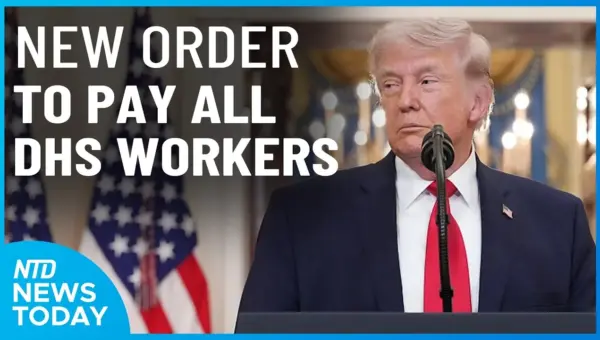
Iran Conflict Escalates: US Strikes Intensify, Allies Divided
President Trump announced intensified US military strikes against Iran, aiming to achieve objectives within weeks while urging allies to secure the Strait of Hormuz. Domestically, plans are underway to pay DHS employees and bypass Democrats on immigration funding, while legal challenges loom over birthright citizenship.
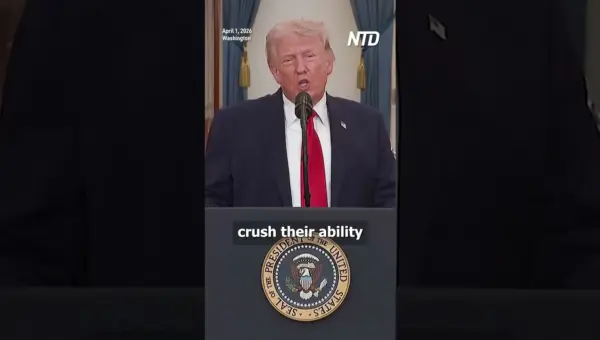
Iran’s Military Power Crushed, Trump Claims Victory
President Trump claims the U.S. is close to completing its strategic goals against Iran's military, stating its navy, air force, and missile programs are "destroyed" or depleted. He thanked Middle East allies for their cooperation in this effort.

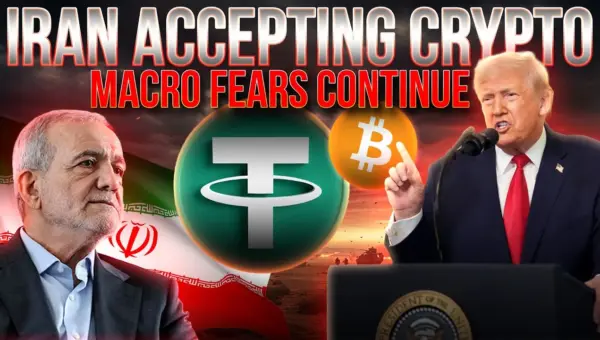
Oil Surges Past $110, Iran Uses Crypto for Trade
Oil prices have surged past $110 a barrel amid rising geopolitical tensions, while Iran is reportedly exploring cryptocurrency and Yuan for oil payments. Increased crypto activity in Iran, driven by both citizens and the IRGC, highlights stablecoins as a safe haven, with a growing diversification into other major digital assets.