Europe Faces NATO Doubt as Trump Hints at Pullback
Former President Trump's suggestions of withdrawing NATO protection raise concerns for European security. This could weaken the alliance's deterrent power and alter global dynamics. Meanwhile, Europe is increasing its support for Ukraine as U.S. aid shifts.

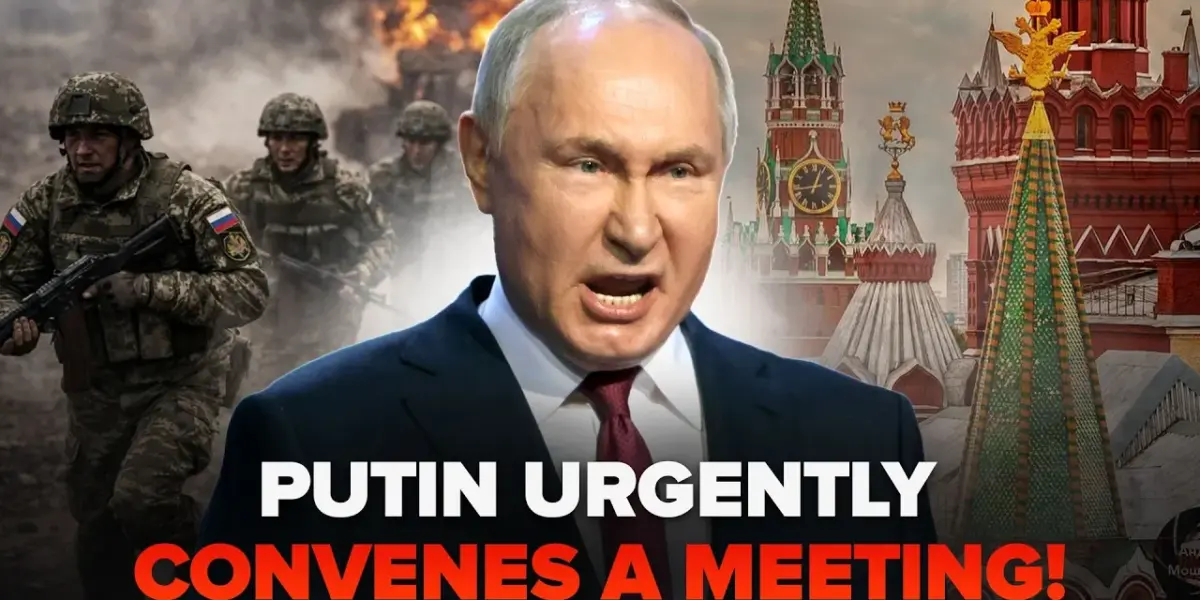
Europe Faces NATO Doubt as Trump Hints at Pullback
Former President Donald Trump’s suggestions about withdrawing U.S. protection from some NATO allies are creating significant uncertainty for European security. These remarks, if acted upon, would represent a major departure from long-standing commitments and could weaken NATO’s ability to deter potential adversaries.
Andresand, an analyst at the Center for East European Status and a fellow at the European Policy Institute in Kyiv, explained that such a move would break fundamental rules of the Washington Treaty, specifically Article 5. This article is the core of the alliance, stating that an attack on one member is an attack on all. Removing this protection would make NATO less effective and diminish its power to prevent attacks on its territory.
Historically, NATO’s strength has come from this collective security guarantee. For example, after the 9/11 attacks on the United States, NATO invoked Article 5, showing its commitment to mutual defense. Trump’s comments question this very foundation, suggesting a potential shift where European security might not be seen as a U.S. concern, partly due to the geographical distance across the Atlantic Ocean.
Potential Russian Offers to Trump
The possibility exists that Russia could offer Trump or his associates business deals. These could involve investments or access to Russia’s vast natural resources for American companies. Such arrangements could provide concrete benefits to those around Trump, potentially influencing U.S. foreign policy decisions.
There is hope that within the U.S., strong opposition from Congress, civil society, and political leaders would prevent any such actions. However, the prospect of secret deals between the U.S. and Russia, without European knowledge, raises concerns about transparency and the stability of the transatlantic alliance.
Ukraine’s Security and U.S. Responsibility
Regarding Ukraine, the argument that its security is solely a European problem is challenged by historical events. In the early 1990s, Ukraine possessed intercontinental ballistic missiles aimed at North America. The U.S. played a key role in negotiating Ukraine’s nuclear disarmament, alongside Russia and Ukraine themselves. This was formalized in the Budapest Memorandum, which included a commitment from the U.S. and Britain to respect Ukraine’s territorial integrity and national sovereignty.
Therefore, the ongoing Russian war against Ukraine is seen by some as a matter of direct concern to the U.S., given its historical role in ensuring Ukraine’s security through the nuclear non-proliferation regime. This perspective contrasts with the idea that it is purely a European issue.
Shifting European Role in Supporting Ukraine
Europe has increasingly taken on a greater share of the responsibility for supporting Ukraine. In the past year, European countries have provided most of the material aid. While the U.S. still offers intelligence sharing, the actual weapons used by Ukrainian forces are now largely purchased by European nations for Ukraine. This fundamental shift has led European countries to demand a more significant role in diplomatic efforts and negotiations.
The current trilateral format involving Russia, Ukraine, and the U.S. is becoming less acceptable to European nations, who are now the primary financial backers of Ukraine’s defense. They seek a more direct involvement in shaping the diplomatic outcomes.
Risk of Weapons Diversion to the Middle East
A significant concern is the potential diversion of weapons intended for Ukraine to the Middle East. If critical air defense systems, such as Patriot missiles, are redirected, it could create a dangerous deficit for Ukraine. This scenario highlights the complex global security challenges where resources are stretched thin.
Despite these concerns, there is hope for sensible solutions. The U.S. administration is urged to consider not only the interests of Ukraine and its European partners but also U.S. public opinion, which generally supports Ukraine. A fundamental disruption in the supply of American weaponry for Ukraine’s defense is seen as a serious risk.
Geopolitical Instability and U.S. Overstretch
While some suggest that global chaos benefits the U.S. by strengthening the dollar, the broader picture indicates a risk of U.S. overstretch. The country faces numerous global challenges, and investing heavily in conflicts is not always a sustainable long-term strategy. Escalations can be detrimental to U.S. interests, especially when considering other aggressive actors like China.
If the U.S. becomes heavily engaged in the Middle East, a potential escalation by China in the South China Sea or an attack on Taiwan, where the U.S. has defense obligations, could create a highly challenging situation. Therefore, overall, these global tensions may be working against long-term U.S. interests.
Contradictory Support for Orban
The support shown by some American politicians, including Trump, for Hungarian Prime Minister Viktor Orbán presents a paradox. Orbán has been actively working to undermine European support for Ukraine. This stance directly contradicts the argument made by some U.S. figures that Ukraine’s defense is a European responsibility.
This contradictory strategy, where some American leaders advocate for European leadership on Ukraine while simultaneously supporting a leader who obstructs that very effort, raises questions about consistency in U.S. foreign policy objectives.
Russia’s Economic Strain and Mobilization Concerns
Russia’s economic situation appears increasingly difficult. While a temporary boost from oil and gas prices might exist, the fundamental challenge remains financing the ongoing war. The Russian public is beginning to feel the economic impact of the conflict, which could eventually push for peace.
Despite official statements denying plans for increased mobilization, discussions persist in Russia. The country faces a shortage of soldiers, with more casualties on the front lines than can be replaced by volunteers, even with high salaries. This situation could lead to forced recruitment, a process already observed in occupied territories, and potentially soon within Russia itself.
Ukraine’s Defense Experience and Export Opportunities
Ukraine’s experience in self-defense over the past four years has made its military technologies and systematic approaches to defense valuable. The ongoing war in the Middle East presents an opportunity for Ukraine to export its defense products and gain international partners. This could also help stabilize Ukraine’s economy through military-industrial cooperation.
Impact of Middle East Conflict on Russia
Russia’s potential gains from a prolonged war in the Middle East are largely tied to oil and gas prices, influenced by factors like potential blockades of the Strait of Hormuz. If such blockades are resolved, Russia’s benefits would be limited. Furthermore, a protracted conflict could weaken Iran, a Russian ally.
While European countries may feel no obligation to assist in the Persian Gulf due to a lack of consultation, their own economic self-interest might call for a more cooperative approach. The situation underscores the interconnectedness of global security and economic stability.
Source: 😱Putin loses control! Urgent meeting in Kremlin regarding war. Moscow panics @TheBriefRight (YouTube)

Related Articles

Markets Rally on War End Hopes, But Risks Remain
Global markets surged on hopes of a swift end to the Iran conflict, but analysts warn that elevated oil prices and ongoing geopolitical risks could still significantly impact economic growth. The true economic fallout may not yet be fully reflected in stock prices.

US Faces Iran War Test Amid Shifting Goals
President Trump faces a critical juncture in the war with Iran, with shifting objectives and domestic pressures influencing his strategy. Iran's control over the Strait of Hormuz presents a significant challenge, testing American resolve and global leadership.

NATO Crumbles as Allies Shun U.S. Over Oil and Arctic Defense
NATO allies are showing signs of fracture, prioritizing national interests over collective security, impacting global oil routes and Arctic defense. European nations are urged to secure their own energy, while Spain's refusal of U.S. air power highlights growing disunity. President Trump's upcoming address will likely focus on these issues and domestic economic concerns.