Judge Halts Trump’s War on Public Broadcasting
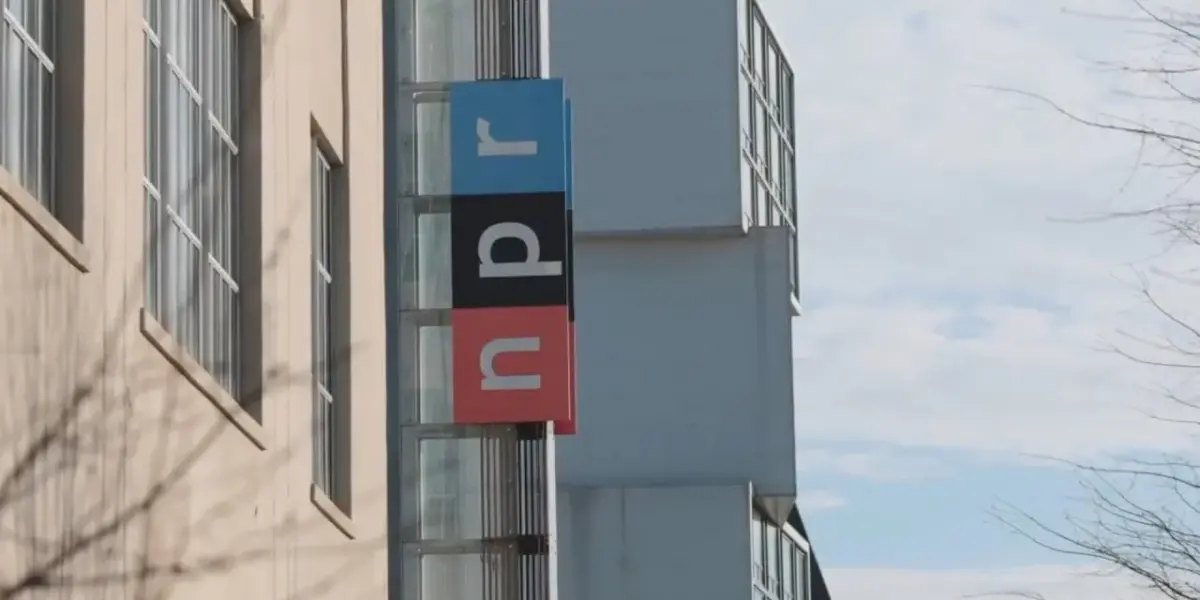
A federal judge has permanently blocked President Trump's order to defund NPR and PBS, ruling it unlawful and a violation of the First Amendment. The decision protects free speech and the independence of public broadcasting.

Judge Halts Trump’s War on Public Broadcasting
A federal judge has stepped in to stop President Trump’s plan to cut off funding for NPR and PBS. US District Judge Randolph Moss made the decision permanent. He ruled that the president’s order to take away money from these public broadcasters was unlawful and could not be enforced. This ruling is a major win for free speech advocates.
Free Speech Under Threat
Judge Moss explained his decision clearly. He stated that the First Amendment protects free speech. This protection means the government cannot discriminate based on what a news source says. The judge felt the president’s order was a form of retaliation. It targeted NPR and PBS because the White House disagreed with their reporting.
The White House had argued that NPR and PBS were not serving American interests. They claimed the organizations were counterproductive. However, the judge found no legal basis for this claim when it came to cutting their funding. He emphasized that punishing news outlets for their viewpoints goes against the core principles of the First Amendment.
Historical Context of Public Broadcasting
Public broadcasting in the United States has a long history. It started with the idea of providing educational and cultural programming for everyone. Unlike commercial media, which is driven by advertising and ratings, public media aims to serve the public interest. This often means covering topics that commercial networks might skip.
Think of it like a public library. Libraries offer a wide range of books and resources, not just the bestsellers. They are there for everyone, regardless of whether they can afford to buy every book. Similarly, public broadcasting offers documentaries, news analysis, and children’s shows that might not be profitable for private companies.
The Power of the First Amendment
The First Amendment to the U.S. Constitution is a cornerstone of American democracy. It protects several fundamental rights, including freedom of speech and freedom of the press. These rights are essential for a well-informed public. They allow journalists to report on important issues without fear of government punishment.
This case highlights how these protections work in practice. When the government tries to silence or punish media outlets for their critical reporting, the courts can step in. Judge Moss’s ruling shows that the First Amendment is a powerful defense against such actions. It prevents leaders from using their power to control the news narrative.
Why This Matters
This ruling is important for several reasons. First, it protects the independence of public media. NPR and PBS provide news and educational content to millions of Americans. They offer in-depth reporting and diverse perspectives that are not always found on commercial channels. Without federal funding, their ability to produce this content would be severely limited, if not eliminated.
Second, it reinforces the principle of free speech. Allowing the government to cut funding for news organizations it dislikes sets a dangerous precedent. It could encourage future administrations to use similar tactics against any media outlet that is critical of them. This would weaken the role of a free press in holding power accountable.
Implications and Future Outlook
The decision by Judge Moss is a significant victory for public broadcasting and free press principles. It means that NPR and PBS will continue to receive federal funding, at least for now. This allows them to maintain their programming and reach audiences across the country.
However, the fight over funding for public media is likely not over. While this specific executive order was blocked, political battles over the role and funding of organizations like NPR and PBS may continue. Future administrations could try different approaches to reduce or eliminate this funding.
The long-term outlook depends on continued public support and the strength of legal protections. It also depends on how lawmakers choose to fund these essential services. The debate raises important questions about the value of public media in a democratic society. It also asks how best to ensure its financial stability and editorial independence for years to come.
Source: Judge Blocks Trump's Order to End Funding for Public Broadcasters (YouTube)

Related Articles
SCOTUS Shields Speech: Free Speech Wins, But Harm to Kids Unproven
The Supreme Court ruled 8-1 that states cannot ban therapists from discussing certain topics with clients, a victory for free speech advocates. The decision noted a lack of statistics proving harm to children undergoing such therapy, emphasizing First Amendment protections even on controversial subjects.
Supreme Court Backs Conversion Therapy Talks
The Supreme Court has overturned a Colorado ban on counseling that discusses changing a minor's sexual identity. The 8-1 decision favors a counselor's free speech rights over state safety regulations. This ruling impacts the broader debate on conversion therapy and LGBTQ+ youth protections.
Court Protects ‘Junk Science’ Speech, Threatens Medical Regulation
The Supreme Court's recent 8-1 ruling protecting 'conversion therapy' talk as free speech sparks debate on medical regulation. Concerns rise over potential harm and the future of healthcare oversight.