Stocks Surge as Iran War Hopes Rise, But Oil Crisis Looms
Stocks rallied significantly on hopes of an end to the Iran conflict, but experts warn the oil market crisis is far from over. Despite the market's optimism, economists and business leaders are concerned that high oil prices could still trigger a recession and impact consumer costs for months to come.

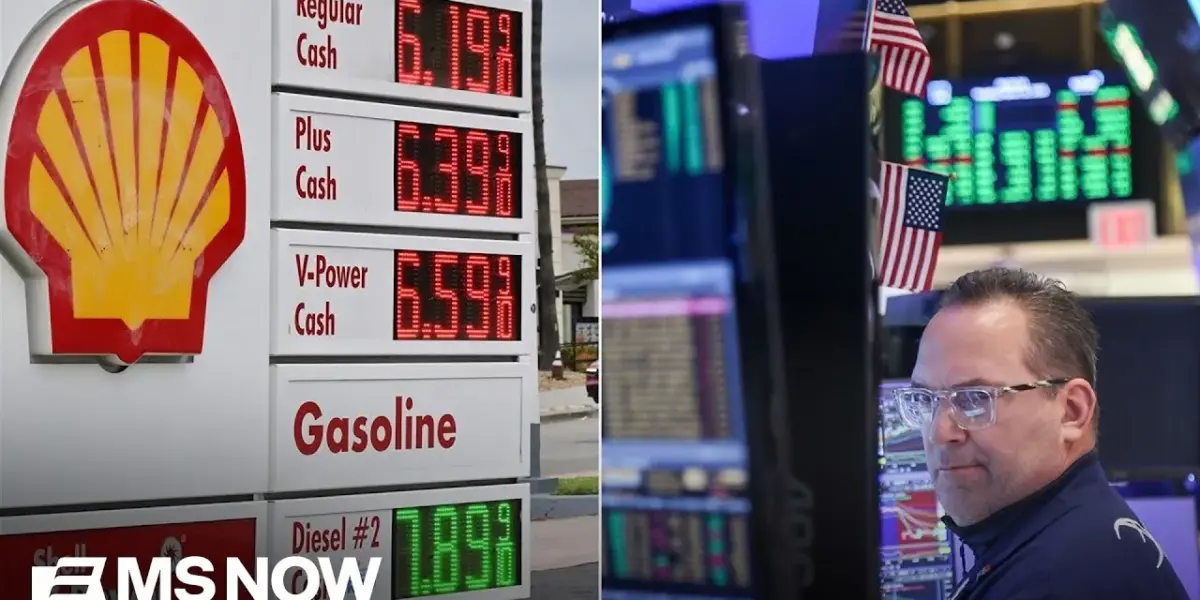
Stocks Rally on Hope of Iran War Ending
The stock market experienced a significant boost today, with the Dow Jones Industrial Average surging over 1,000 points and the S&P 500 posting its best day since May. This rally was largely fueled by hopes that the conflict involving Iran might be nearing an end. These optimistic sentiments were sparked by a report from The Wall Street Journal, which indicated that the president has informed his aides of a willingness to withdraw from the conflict without necessarily reopening the Strait of Hormuz.
Oil Market Faces Continued Crisis Despite War Hopes
While the potential end of the war could bring swift resolution to the immediate conflict, it does not guarantee an end to the ongoing crisis in the oil market. The price of Brent crude oil has seen a dramatic increase, soaring more than 60% this month. This marks the largest monthly gain for oil prices in almost four decades. Top economist Mark Zandi has warned that an average oil price of around $125 per barrel in the second quarter of this year could be enough to trigger a recession. This concern is shared by a growing number of business leaders who fear that the markets may be underestimating the impact of this energy shock, leading to increased recession risks.
Market Reaction and Economic Concerns
CNBC contributor and co-host of the Risk Reversal podcast, Dan Nathan, discussed the market’s surprising rally. He noted that the surge caught many market participants off guard. Despite oil prices remaining above $100 a barrel, the market reacted positively. Nathan explained that while oil prices going up have typically led to stock prices going down in recent weeks, today was different. He suggested the rally might reflect a significant shift in sentiment, with people becoming overly pessimistic and now seeing potential relief. The rise in gas and diesel prices, which affects the cost of shipping goods, has made consumers and businesses anxious. The hope for some relief from these costs appears to have driven the market’s positive reaction.
“The price at the pump, it’s gone up a dollar. It’s not just that. I mean, it’s also when you think about what are some of the other expenses that folks are going to have to deal with? Diesel, for instance, has gone up a lot, right? So a lot of the goods that we buy are shipped or actually moved around with diesel fuel.”
Dan Nathan, CNBC Contributor
Expert Worries About Long-Term Impact
Rohit Chopra, former director of the Consumer Financial Protection Bureau, expressed significant worry about the situation. He pointed out that key oil indices are still trading above $100 a barrel, which will continue to affect not only consumers at the gas pump but also the manufacturing costs of many goods. Chopra drew a parallel to past trade disputes, suggesting that the effects of higher energy prices might not be felt immediately but could hit months later, similar to how tariff increases impacted prices over time. He fears that the market may have underestimated the true impact of this energy shock.
Potential for Higher Oil Prices and Economic Slowdown
The discussion also touched upon the possibility of oil prices climbing even higher. Reports suggest some Trump administration officials have discussed scenarios where oil prices could reach $150 or even $200 per barrel. While these are not baseline forecasts, such spikes could cause short-term panic. Historically, price spikes tend to fall back, but returning to pre-crisis levels is uncertain. The ongoing uncertainty surrounding the conflict, oil flows through the Strait of Hormuz, and policy decisions from the White House are causing CEOs to reconsider investment and hiring plans. Higher input costs are likely to be passed on to consumers, potentially slowing down economic growth.
Allegations of Insider Trading
The conversation also addressed a recent report from the Financial Times alleging that Defense Secretary Pete Hegseth’s broker attempted to buy a defense fund just before the U.S. attacked Iran. A Pentagon spokesperson has strongly denied these claims, calling them entirely false. White House Deputy Press Secretary Anna Kelly also dismissed the story. However, Rohit Chopra suggested that such allegations fit a pattern of individuals around the president potentially profiting from inside information related to national security and economic policy. He questioned whether personal enrichment is influencing the administration’s economic policies.
Looking Ahead
As the situation in the Middle East remains fluid, market participants will be closely watching for further developments in the Iran conflict and any potential impact on oil supply. The coming weeks will reveal whether the current stock market optimism is sustainable or if the underlying economic concerns, particularly regarding energy prices and recession risks, will reassert themselves. Investors and policymakers will be seeking clarity on the future of oil markets and the broader economic implications of the ongoing geopolitical tensions.
Source: 'Pretty worried': Stocks rally despite ongoing Strait of Hormuz blockade (YouTube)

Related Articles

GOP Lawmaker Slams Dems’ ‘Word Games’ on Iran Threat
A GOP lawmaker criticizes Democrats for perceived hypocrisy on the Iran threat, accusing them of "word games" and downplaying danger while the White House provides financial aid. The congresswoman highlights past warnings about Iran's nuclear program and contrasts them with current Democratic stances.

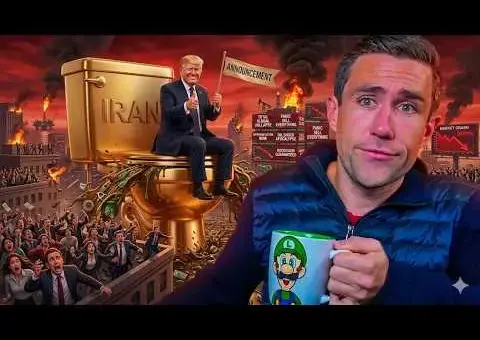
Trump’s Iran Announcement: Markets Brace for Impact
Former President Donald Trump is set to announce his strategy on Iran, leaving markets on edge. Analysts foresee potential escalation scenarios, with a 60% chance of increased regional tension impacting oil prices. A 'nothing burger' announcement is also possible, though less likely.
Trump’s Iran Policy: Allies Strain, Goals Unclear Amid War
President Trump's Iran policy faces growing scrutiny as the conflict drags on, straining alliances and leaving strategic goals unclear. Allies question U.S. reliability amid airspace bans, while lawmakers demand answers about the war's endgame. The administration's vague objectives and potential willingness to end the campaign without securing key waterways like the Strait of Hormuz raise concerns about future economic stability and international relations.