Japan Deploys Long-Range Missiles, Bolsters Offensive Power
Japan has deployed long-range missiles capable of reaching China, marking a significant shift in its defense-only policy. Experts explain this move is part of a planned strategy to bolster offensive capabilities and deter aggression in a changing East Asian security environment. While the government assures the public these are defensive measures, the deployment raises questions about regional stability and Japan's growing military role.

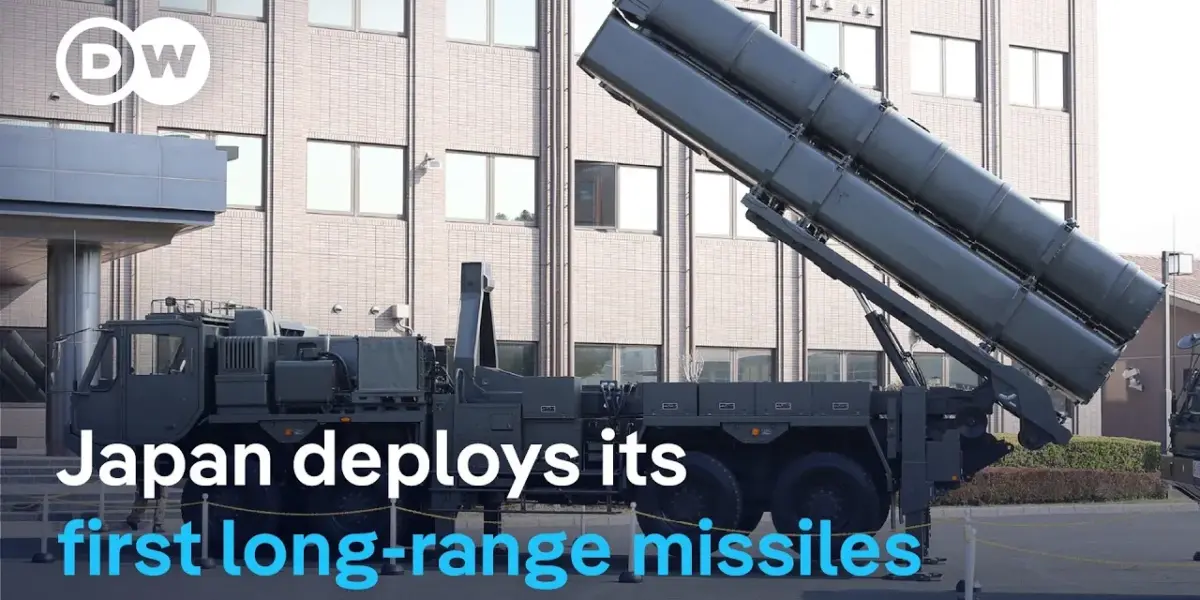
Japan Shifts Defense Stance with New Missile Deployment
Japan’s Defense Ministry has taken a significant step by deploying its first long-range missiles to a camp in the country’s southwest. Officials state this move is part of a broader effort to strengthen Tokyo’s offensive capabilities. Developed by Mitsubishi Heavy Industries, these missiles possess the range to reach China. This deployment marks a historic change for Japan’s military, which has historically adhered to a defense-only policy under its pacifist constitution.
Expert Weighs In on Shifting Security Strategy
Dr. Koga, an associate professor specializing in East Asian security at Nanyang Technological University, explained that while this appears to be a major shift, it was already planned. “Japan historically had very strict limits on military power,” Dr. Koga noted. He pointed to Japan’s 2022 national security strategy, which emphasized counter-strike capabilities due to a perceived worsening security environment in East Asia.
“In that sense, they were planning,” Dr. Koga said. “This is a kind of implementation phase.” He added that the deployment of Type 12 standoff missiles is consistent with Japan’s self-defense principles. The government maintains that these capabilities are only to be used if Japan is attacked. “The principle doesn’t change much, but the way to achieve that end is going to change,” he explained.
Prime Minister’s View and Public Opinion
According to Dr. Koga, Prime Minister Kishida does not view this as a radical departure. “For Kishida, I think this is more of a continuation rather than a big change he is going to make,” Dr. Koga stated. He believes the Prime Minister sees it as part of an ongoing evolution of Japanese security policy dating back to the 2010s.
Regarding public opinion, Dr. Koga described it as mixed but leaning towards acceptance. “The offensive capability itself may be debatable to some extent,” he admitted. However, the government is working to assure the public that these weapons are not for invasion or unprovoked attacks. Instead, they are intended to deter potential aggressors.
“This is kind of like deterrence by punishment: if you attack me, then I could actually attack you,” Dr. Koga explained the government’s logic. This strategy aims to complicate the strategic calculations of other nations. He cited a government poll showing that 80% of the Japanese public believes the East Asian security environment is becoming more severe and that Japan needs to take action to defend itself.
Key Threats Driving Japan’s Defense Buildup
Japan faces several security challenges in its region. Dr. Koga highlighted North Korea’s growing missile and nuclear capabilities as a direct threat. More significantly, he pointed to China’s expanding military and economic power as a potential threat. Japan is particularly concerned about China’s increasing assertiveness in the East and South China Seas.
While Japan prefers diplomatic solutions, it must prepare for potential military confrontations. “So that’s why Japan is trying to have more military capabilities,” Dr. Koga said. He acknowledged a dilemma between the defense and political establishments regarding the extent of military buildup, leading to ongoing debates within Japan. However, he concluded that Japan is progressing incrementally rather than making abrupt changes.
US-Japan Alliance and Japan’s Self-Reliance
The long-standing alliance between Japan and the United States remains crucial. However, Japan has perceived shifts in U.S. policy over the past decade. Dr. Koga noted that the rise of China has led Japan to view the U.S. as relatively declining in military might compared to Beijing. The U.S., as a global power, cannot always focus solely on East Asia.
This perception has prompted Japan to strengthen the U.S.-Japan alliance and enhance its own capabilities to maintain regional stability. More recently, the U.S. has been asking more of its allies, including Japan. It’s not entirely clear how committed the U.S. will be to Japan’s defense and national interests in the future.
“In that sense, the Japanese are still thinking the U.S.-Japan alliance is the most important strategic tool,” Dr. Koga stated. “But at the same time, they are actually trying to prepare for self-help in times of U.S. reduction of its commitment to the region.”
Economic Considerations for Defense Spending
The question of whether Japan’s economy can afford a significant military boost remains a point of discussion. Dr. Koga expressed uncertainty about the nation’s ability to secure the necessary resources. Japan is considering increasing income tax on companies to fund its defense expansion.
“This remains to be seen,” Dr. Koga concluded. “I think in a couple of months.” The long-term economic impact and feasibility of this defense buildup will become clearer over time.
Source: Is Japan's military discarding its defense-only stance? | DW News (YouTube)

Related Articles


Trump’s Iran Policy: Allies Strain, Goals Unclear Amid War
President Trump's Iran policy faces growing scrutiny as the conflict drags on, straining alliances and leaving strategic goals unclear. Allies question U.S. reliability amid airspace bans, while lawmakers demand answers about the war's endgame. The administration's vague objectives and potential willingness to end the campaign without securing key waterways like the Strait of Hormuz raise concerns about future economic stability and international relations.


Stocks Surge as Iran War Hopes Rise, But Oil Crisis Looms
Stocks rallied significantly on hopes of an end to the Iran conflict, but experts warn the oil market crisis is far from over. Despite the market's optimism, economists and business leaders are concerned that high oil prices could still trigger a recession and impact consumer costs for months to come.


Ukraine Offers Defense Prowess to Gulf States
Ukraine is signing 10-year defense cooperation agreements with Saudi Arabia, UAE, and Qatar, offering its expertise in air defense and counter-drone technology. This move positions Ukraine as a security provider while Russia and Iran reportedly deepen military ties, raising concerns about regional stability.