SCOTUS Shields Speech: Free Speech Wins, But Harm to Kids Unproven
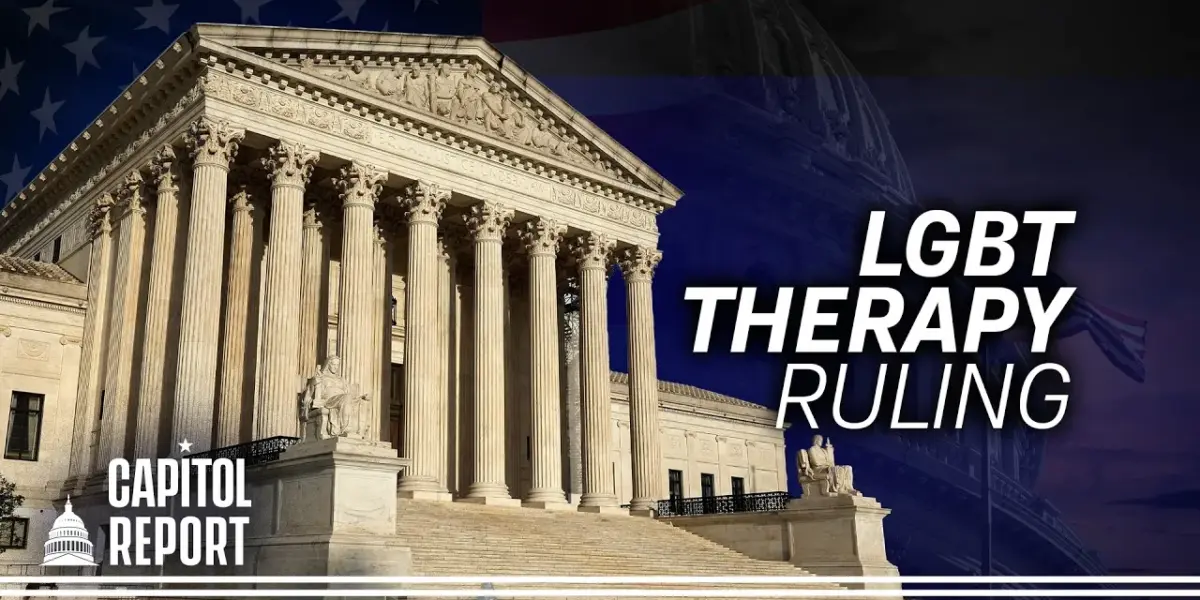
The Supreme Court ruled 8-1 that states cannot ban therapists from discussing certain topics with clients, a victory for free speech advocates. The decision noted a lack of statistics proving harm to children undergoing such therapy, emphasizing First Amendment protections even on controversial subjects.

SCOTUS Shields Speech: Free Speech Wins, But Harm to Kids Unproven
The Supreme Court recently made a major decision about free speech. In an 8-1 vote, the justices ruled that states cannot stop therapists from talking to their clients about certain topics. This means laws like the one in Colorado, which tried to limit what therapists could say, are now in question.
Free Speech Takes Center Stage
Supporters of the ruling see it as a big win for freedom of speech and common sense. They argue that people should be able to discuss difficult issues with counselors without the government stepping in. The idea that a child can’t talk to a counselor about their feelings or identity is seen as wrong. Some believe that pushing young people towards life-altering decisions, like surgeries, too early is also a concern.
“It’s crucial that families have counseling options, including options that allow kids to genuinely talk about experiencing discomfort with their bodies without the state dictating an outcome.”
This viewpoint suggests that the government should not force a specific outcome when someone is exploring their identity. Instead, it should allow for open discussion and exploration. The ruling is seen by some as a return to basic American values of free expression.
No Proof of Harm Cited
Interestingly, the discussion around the ruling highlighted a lack of solid evidence. Even those who personally disagree with certain practices, like conversion therapy, pointed out that there are no official statistics showing harm to children who go through it. For the Supreme Court to make decisions based on overriding public interest, numbers are usually needed. In this case, those numbers weren’t available.
This doesn’t mean everyone agrees that these practices are harmless. It simply means that, legally, the state of Colorado couldn’t prove the negative impact required to restrict speech. The ruling emphasizes that even on controversial topics, the First Amendment protects the right to express different viewpoints.
The Nuance of Language
The term “conversion therapy” itself has become a point of discussion. Some argue that the name implies a negative and harmful intent, potentially swaying public opinion. They suggest that the focus should be on helping confused or struggling young people find clarity, rather than labeling all forms of counseling as harmful.
The debate touches on whether children are born with certain conditions or if these are issues that develop. There’s a strong belief among some that medical science hasn’t proven that these feelings are inherent. The core issue, from this perspective, is that the government shouldn’t interfere with medical care or prevent people from seeking the help they desire.
Dissent and the Role of Regulation
Justice Ketanji Brown Jackson was the only dissenter. She argued that the ruling could make it harder for states to regulate medical care in general. She pointed to a long history of states overseeing medical professions to ensure safety and quality.
However, others see this differently. They believe the state was injecting politics into medical decisions. The Supreme Court’s decision, in this view, simply removed that political interference. The goal is to allow doctors and medical professionals to provide services based on patient needs and wants, without government overreach.
Why This Matters
This Supreme Court ruling has significant implications for free speech, especially in the context of therapy and counseling. It reinforces the idea that even controversial speech is protected under the First Amendment, unless there’s clear evidence of harm. This could affect how states regulate various professional services, particularly those involving sensitive personal discussions.
Looking Ahead
The decision opens the door for more debate about the boundaries of free speech and government regulation. It highlights the challenge of balancing the protection of individual expression with the state’s interest in public health and safety. Future cases may explore what constitutes sufficient evidence of harm to justify speech restrictions.
Historical Context
The debate over regulating therapeutic practices and speech has a long history. Throughout the years, courts have grappled with defining the limits of free speech, especially when it intersects with professional conduct and potential harm. This latest ruling adds another layer to that ongoing discussion.
Source: SCOTUS Ruling: Good for Free Speech; No Stats Show Harm to Kids Going Through Conversion Therapy (YouTube)

Related Articles


Judge Halts Trump’s War on Public Broadcasting
A federal judge has permanently blocked President Trump's order to defund NPR and PBS, ruling it unlawful and a violation of the First Amendment. The decision protects free speech and the independence of public broadcasting.

Trump Attends Supreme Court Birthright Citizenship Hearing
President Trump made an unprecedented appearance at the Supreme Court to hear arguments on his executive order challenging birthright citizenship. The case hinges on the interpretation of the 14th Amendment's Citizenship Clause. A ruling against birthright citizenship could have profound effects on millions of U.S.-born children of non-citizen parents.

Trump’s Birthright Citizenship Order Faces Supreme Court Test
The Supreme Court is hearing arguments on President Trump's executive order aiming to restrict birthright citizenship. The case questions the long-standing interpretation of the 14th Amendment, which grants citizenship to nearly everyone born in the U.S. The administration argues this was not the original intent, while opponents fear a radical rewriting of constitutional law.