Iran’s Strait Threat Boosts Russia, China Influence
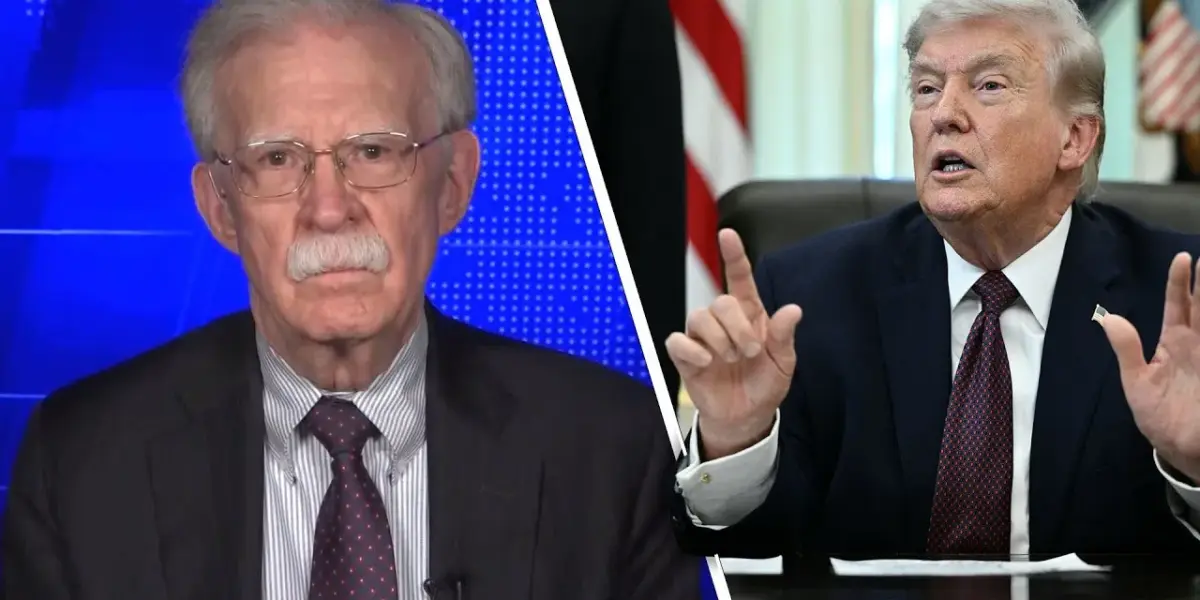
Former U.S. official John Bolton argues that recent actions against Iran have inadvertently strengthened its hand and boosted Russia and China's influence. Iran's continued threat to close the Strait of Hormuz, a vital global oil route, is seen as a strategic victory for Tehran. Bolton warns this emboldens the regime and creates new geopolitical opportunities for Moscow and Beijing.

Iran’s Strait Threat Boosts Russia, China Influence
Former U.S. Ambassador to the UN and National Security Advisor John Bolton argues that recent actions against Iran have not achieved lasting victory. Instead, he believes they have emboldened Iran and created new opportunities for Russia and China in the Middle East. Bolton’s analysis, based on the ongoing threat of Iran closing the Strait of Hormuz, suggests a strategic setback for the United States.
Strait of Hormuz: A Critical Chokepoint
The Strait of Hormuz is a narrow waterway connecting the Persian Gulf to the open ocean. A significant portion of the world’s oil supply passes through this strait daily. Iran has repeatedly threatened to close it if its oil exports are blocked. Bolton points out that any successful closure, even temporary, has a major impact on the global economy. This ability to disrupt global trade gives Iran leverage, even if its military has been damaged.
Regime Change Claims Questioned
Some U.S. officials have suggested that recent actions have led to a change in Iran’s leadership. They claim a new, wiser regime is in place, ready to make a deal. Bolton strongly disagrees. He states that the ideology of radical Islamism has driven the Revolutionary Guard for 47 years. He believes that replacing leaders with new faces does not change the core beliefs or goals of the regime. These goals include rebuilding nuclear weapons, ballistic missiles, and supporting terrorist networks. Bolton warns that if this regime regains strength, it will resume its dangerous activities.
Military Actions and Their Consequences
Bolton suggests that while military strikes may have damaged Iran’s capabilities, they have not fundamentally altered its intentions. He believes that Iran’s ability to threaten the Strait of Hormuz and see the U.S. back down is a significant strategic victory for Iran. This, he argues, is worse than if no action had been taken. The regime has demonstrated its power to disrupt global trade and force a reaction from the United States. Bolton highlights that the Iranian regime also practices repression, torture, and executions internally. He notes reports of fractures within Iran’s leadership, suggesting that continued pressure could lead to further destabilization.
Russia and China Gain Ground
Bolton is concerned about the geopolitical fallout for Russia and China. He believes that Iran’s continued defiance and the perceived U.S. pullback will encourage Russia and China to increase their support for Iran. Russia, historically seeking influence in the Middle East, could use Iran as a strategic base. This would allow them to project power across the region. China, heavily reliant on global trade routes, would also see increased instability as a potential opportunity. Russia has been supplying Iran with intelligence on U.S. positions, further complicating the situation.
Historical Context and Future Scenarios
The tension between Iran and the U.S. has a long history, marked by the 1979 revolution and subsequent confrontations. Iran’s nuclear program and its support for regional militias have been ongoing concerns for decades. Bolton’s analysis suggests a recurring pattern: U.S. pressure is met with Iranian resilience and strategic adaptation. The possibility of Iran successfully closing the Strait of Hormuz remains a persistent threat. If this occurs, global energy prices would skyrocket, impacting economies worldwide.
Economic Leverage and Global Impact
The threat to the Strait of Hormuz is a powerful economic weapon. Disrupting oil shipments through this vital waterway would cause significant economic damage globally. Iran uses this threat to counter international sanctions and pressure. The U.S. has used sanctions to try and curb Iran’s nuclear ambitions and support for terrorism. However, Iran’s ability to threaten maritime traffic demonstrates that economic tools alone may not be enough to change the regime’s behavior. The international community’s reliance on stable energy markets makes the Strait of Hormuz a critical point of vulnerability.
Why This Reshapes the World Order
Bolton’s assessment points to a potential weakening of U.S. influence in the Middle East. If Iran can successfully threaten global trade and force concessions, it signals a shift in power. Russia and China stand to benefit from this instability. They could increase their military and economic ties with Iran, creating a stronger anti-Western bloc in the region. This could lead to a more fragmented and unpredictable global order, where key trade routes are vulnerable to disruption by regional powers. The U.S. faces the challenge of maintaining stability and its own interests without further escalating conflict or conceding strategic ground.
Source: Leaving Iran now worse than having not gone at all: Bolton | On Balance (YouTube)

Related Articles


Trump’s Silence on Russian Attacks Stuns Critics
Critics are questioning President Trump's silence on Russia potentially using intelligence to target U.S. troops. A complex web of global oil sales and drone purchases is highlighted, raising concerns about national security. This situation underscores the need for a clear and assertive foreign policy.

US Faces Iran War Test Amid Shifting Goals
President Trump faces a critical juncture in the war with Iran, with shifting objectives and domestic pressures influencing his strategy. Iran's control over the Strait of Hormuz presents a significant challenge, testing American resolve and global leadership.

US Allies Face Oil Crisis as Trump Shifts Burden
President Trump's stance on allies securing the Strait of Hormuz signals a major shift in US foreign policy, risking global economic stability. Rising oil prices are already impacting consumers, with further price hikes expected for everyday goods. This disruption highlights the interconnectedness of the global economy and could reshape international alliances.