NATO Faces Existential Threat from Allies’ Juvenile Politics
Internal political divisions and a lack of unified commitment among allies are threatening NATO's future. Former advisor John Bolton criticizes "juvenile" politics, warning that the alliance faces an existential crisis similar to what the Soviet Union failed to achieve.

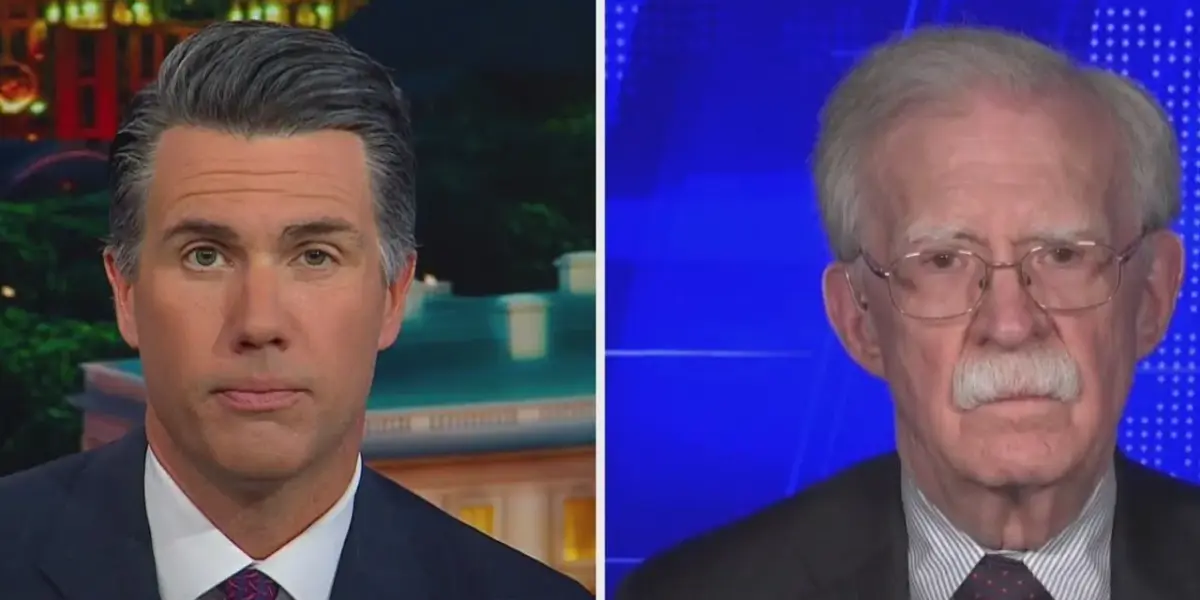
NATO’s Future Hangs in Balance Amidst Shifting Alliances and Political Squabbles
The North Atlantic Treaty Organization (NATO), a cornerstone of Western security for over 70 years, is facing an unprecedented challenge. This isn’t a threat from an external enemy, but from a growing disconnect and what former national security advisor John Bolton calls “juvenile” politics among its own members, particularly the United States and its European allies. This internal friction risks weakening, or even dismantling, the alliance that has been a bedrock of global stability since the Cold War.
Europe’s Shifting Stance on Security and Energy
The situation highlights a stark contrast in how allies are responding to different security threats. For instance, when the United States was heavily involved in supporting Ukraine against Russian aggression, many European nations demanded American aid. They argued that failing to help Ukraine would make allies look like “Putin’s puppets.” Now, however, as a new crisis emerges in the Middle East involving Iran, the response from some key European partners has been notably absent. France has blocked airspace for U.S. resupply missions, Spain has publicly condemned U.S. actions, and Italy has stated it will not allow the U.S. to use its bases. This selective engagement raises serious questions about shared commitment and burden-sharing within NATO.
The Iran Factor and Global Energy Concerns
The escalating tensions with Iran present a critical test for international cooperation. If Iran, which is reportedly selling oil to China, were to take actions that disrupt shipping in the Persian Gulf, the impact on global energy prices would be severe. This scenario would put Gulf Arab nations in a much more difficult position, with Iran gaining significant leverage. The current political climate, marked by a lack of unified support from European allies for U.S. actions in the region, could embolden Iran. It also raises concerns about who will step up to ensure the safety of vital international waterways, a task that historically has relied on more than just the U.S. Navy.
Historical Context: The Cold War and NATO’s Purpose
NATO was founded in 1949 to counter the Soviet Union. During the Cold War, its primary goal was to ensure the collective security of its members against potential Soviet aggression. The alliance successfully prevented direct conflict between major powers and fostered a period of relative stability in Europe. The Soviets themselves tried to break apart the Atlantic alliance during that time, but they failed. Today, some argue that the current political dynamics are inadvertently achieving what the Soviet Union could not.
Trump’s Influence and the “Juvenile” Political Game
Former President Donald Trump has long been critical of NATO, suggesting that many member nations do not contribute their fair share. He has argued that the U.S. is carrying too much of the burden. While Trump could have potentially prepared allies for his thinking on these issues, Bolton suggests he did not. This lack of clear communication, combined with what Bolton describes as a “juvenile” response from European allies to perceived slights or demands, is creating a dangerous situation. Instead of focusing on long-term national security, the focus has become partisan politics, which could ultimately undermine the alliance.
The Cost of Partisanship
When political leaders treat national security issues as mere political tools, the consequences can be dire. The current situation demonstrates how partisan politics can overshadow crucial international cooperation. The ability of the U.S. and its allies to address global threats effectively is weakened when internal political calculations take precedence over strategic necessities. This approach risks alienating allies and creating openings for adversaries.
Global Impact: Reshaping the World Order
The potential weakening or collapse of NATO would represent a significant shift in the global power structure. For decades, NATO has provided a framework for collective defense and security cooperation. Its dissolution could lead to a more fragmented and unstable world, where regional conflicts are more likely to escalate. It could also embolden autocratic regimes and undermine democratic values. The absence of a strong, unified Western alliance might encourage greater assertiveness from countries like Russia and China, fundamentally altering the international order.
Economic Leverage and Future Scenarios
Economic factors, such as energy prices and trade dependencies, play a crucial role in these geopolitical dynamics. The reliance on oil imports and the control of vital shipping lanes are significant sources of leverage. If Iran were to disrupt these routes, the global economy would suffer, potentially leading to widespread unrest. The future of NATO depends on whether its members can move beyond short-term political grievances and recommit to their shared security interests. One scenario is that allies recognize the danger and work to strengthen NATO, perhaps through clearer communication and more equitable burden-sharing. Another, more concerning, scenario is that the current political divisions deepen, leading to a gradual erosion of the alliance’s effectiveness, or even its eventual collapse.
A Call for Mature Leadership
Despite the difficulties in working with European allies, Bolton emphasizes that they are natural allies of the United States. Their reluctance to immediately comply with every demand is not a reason to abandon the alliance. The upcoming 77th anniversary of NATO serves as a reminder of its historical importance and the need for mature leadership to navigate current challenges. The alliance has weathered many storms before, but the current internal political strife, if left unaddressed, poses a grave threat to its very existence. The world is changing rapidly, and the ability of allies to stand together is more critical than ever.
Source: 'Juvenile' disconnect between Trump, allies could end NATO: Bolton | On Balance (YouTube)

Related Articles

Markets Rally on War End Hopes, But Risks Remain
Global markets surged on hopes of a swift end to the Iran conflict, but analysts warn that elevated oil prices and ongoing geopolitical risks could still significantly impact economic growth. The true economic fallout may not yet be fully reflected in stock prices.

US Faces Iran War Test Amid Shifting Goals
President Trump faces a critical juncture in the war with Iran, with shifting objectives and domestic pressures influencing his strategy. Iran's control over the Strait of Hormuz presents a significant challenge, testing American resolve and global leadership.

NATO Crumbles as Allies Shun U.S. Over Oil and Arctic Defense
NATO allies are showing signs of fracture, prioritizing national interests over collective security, impacting global oil routes and Arctic defense. European nations are urged to secure their own energy, while Spain's refusal of U.S. air power highlights growing disunity. President Trump's upcoming address will likely focus on these issues and domestic economic concerns.