Indiana Bars Undocumented Immigrants from Driving Trucks
Indiana has become the first state to ban undocumented immigrants from obtaining or holding commercial driver's licenses. This new law requires CDL training to be in English and comes after recent deadly crashes involving drivers in the country illegally. The move reflects broader national immigration enforcement efforts.

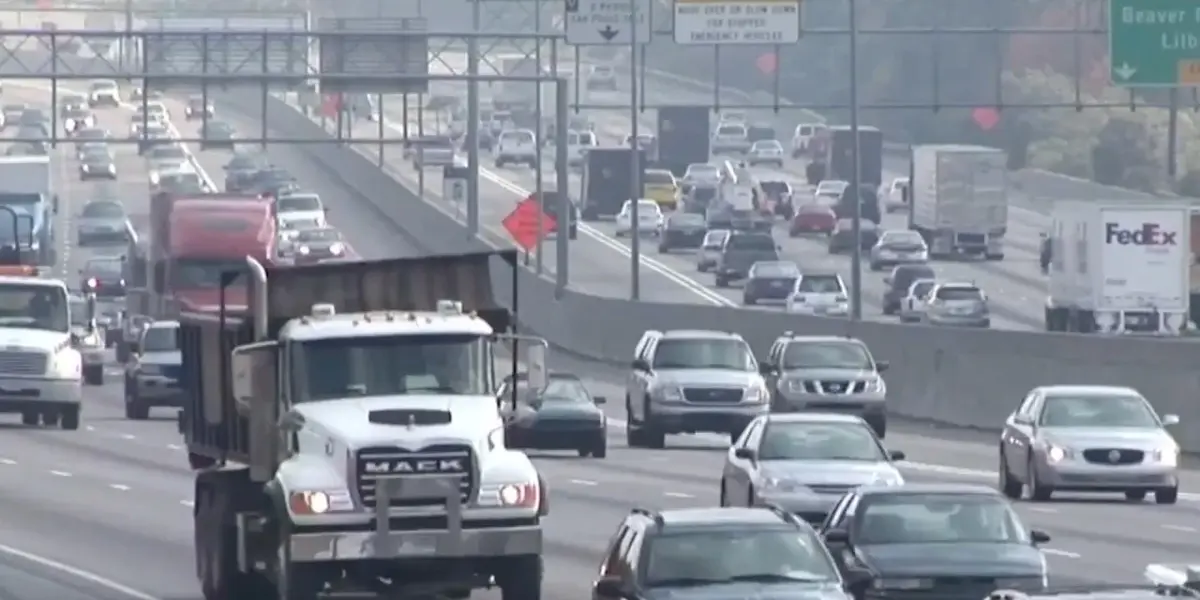
Indiana Bars Undocumented Immigrants from Driving Trucks
Indiana is making a significant change. Starting Wednesday, it will be the first state to stop people who are in the country illegally from getting or keeping commercial driver’s licenses (CDLs). This new rule means that if a driver doesn’t have the right papers, like a visa, they will lose their license.
The law also says that all training for these special truck driving licenses must be taught only in English. This change comes after two deadly crashes in Indiana involving commercial trucks. Officials say that both drivers involved in these accidents were in the country without permission. This situation is being seen as a reason for the new strict rules.
A National Trend?
This move by Indiana fits with a larger effort by the Trump administration to control who drives big trucks for a living. Back in February, the Secretary of Transportation announced that all tests for CDLs, both written and driving tests, must be given in English. The federal government has also been busy. They have removed or flagged thousands of places that train people for CDLs. The government believes many of these training centers were not following the rules for safety and federal laws.
Some of these commercial drivers licensed schools, some of them don’t even have a curriculum. So, what this actually is is a CDL mill where you can pay $800 or $1,000 and you don’t get any training and they just certify that you have gone through uh the schooling requirements.
This quote highlights a serious problem. It suggests that some training schools are just taking money without providing any real education. These places are sometimes called “CDL mills.” People could pay a lot of money, around $800 to $1,000, and get a certification without learning anything about driving safely or following the rules. This raises questions about how safe our roads are when licenses might be given out too easily.
Broader Immigration Enforcement
Beyond truck driving licenses, immigration enforcement is active in other areas. The Department of Homeland Security (DHS) recently announced they caught a wanted criminal from Canada. This person, Adrienne Walker, was found in Mississippi by immigration agents. He is wanted in Canada for murder and faces gun charges there. This arrest shows that immigration agencies are working to catch people who may be dangerous.
The DHS has also been dealing with a long government shutdown. This shutdown has affected many government workers, including those at the TSA, which handles airport security. Recently, TSA agents received some pay after the President signed a special order. This has led to some improvements. Airports in places like Houston and Atlanta have seen shorter lines for security checks. This suggests that even with challenges, efforts are being made to keep things running.
Why This Matters
Indiana’s new law is important because it’s the first of its kind. It directly impacts the trucking industry, which is vital for moving goods across the country. The law suggests a growing concern about who is driving large vehicles and the potential safety risks. It also points to a national debate about immigration and border security. By requiring licenses and training to be in English, the state is also focusing on communication and safety standards.
Implications and Future Outlook
This Indiana law could set a precedent for other states. We might see similar measures proposed elsewhere as states grapple with immigration and public safety. The trucking industry relies heavily on drivers, and any changes to who can get a CDL could affect the supply of drivers. This could, in turn, impact shipping costs and the availability of goods. It’s also possible that more attention will be paid to the quality of CDL training programs across the country to ensure drivers are well-prepared.
Historical Context
Concerns about licensing and immigration have been around for a long time. Different administrations have approached immigration enforcement in various ways. The idea of linking immigration status to specific jobs or licenses isn’t new. However, the focus on commercial driver’s licenses and safety in the context of immigration enforcement has become more prominent in recent years. This Indiana law is a clear example of how these issues are being addressed at the state level.
Source: Indiana Becomes First State to Ban Commercial Driver’s Licenses for Illegal Immigrants (YouTube)

Related Articles


Trump Attends Supreme Court Birthright Citizenship Hearing
President Trump made an unprecedented appearance at the Supreme Court to hear arguments on his executive order challenging birthright citizenship. The case hinges on the interpretation of the 14th Amendment's Citizenship Clause. A ruling against birthright citizenship could have profound effects on millions of U.S.-born children of non-citizen parents.

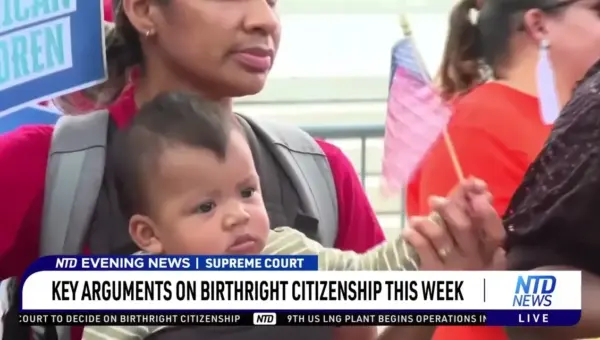
Trump’s Birthright Citizenship Order Faces Supreme Court Test
The Supreme Court is hearing arguments on President Trump's executive order aiming to restrict birthright citizenship. The case questions the long-standing interpretation of the 14th Amendment, which grants citizenship to nearly everyone born in the U.S. The administration argues this was not the original intent, while opponents fear a radical rewriting of constitutional law.

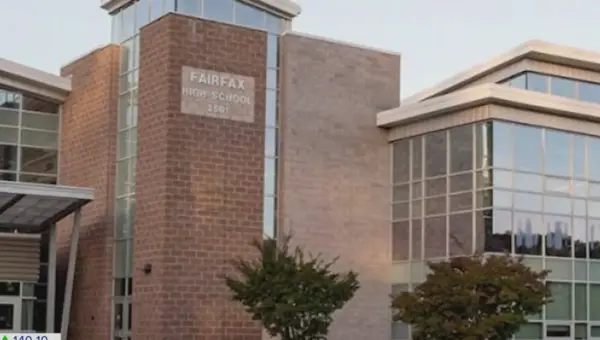
Federal Probe Hits Virginia Schools Over Migrant Assaults
A federal investigation has been launched into a Virginia school district following accusations of assault by an undocumented student against 12 female classmates. Parents are outraged, while the school district is cooperating with an independent review. The case highlights ongoing debates about immigration policy and school safety.