Oil Routes Shift: China’s Energy Risk Revealed
Rising global tensions are forcing a major shift in how countries secure their energy. China's reliance on oil imports reveals a significant vulnerability, while allies struggle with weakened militaries, raising questions about global energy security.

Global Oil Flow Faces Major Shake-Up
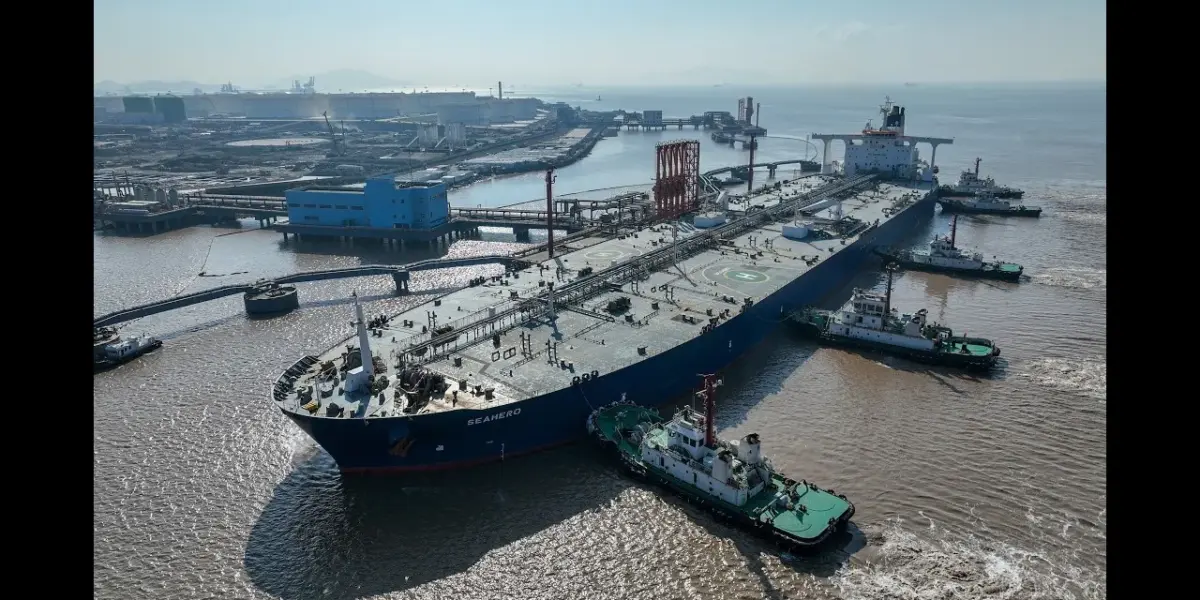
Recent events in the Middle East are forcing a rethink of how the world gets its oil. Tensions with Iran and Houthi attacks in the Red Sea are making shipping routes less reliable. This instability is making countries question where their energy will come from in the future.
The United States, with its strong domestic energy production, is in a better position. It’s less affected by price spikes. However, nations like the UK, Japan, and Taiwan depend heavily on oil and gas flowing through the Strait of Hormuz. This reliance creates a potential vulnerability.
China’s Energy Gamble
Colonel Grant Musham, a retired US Marine, points out a significant risk for China. He explains that China’s own energy needs make it dependent on imports. If China can’t get energy from places like the Middle East or Venezuela, it might have to turn to the US.
This creates a two-way street of dependency. While China has leverage with rare earth minerals, it also has weaknesses. Energy is a major one. The US understands this and can use it as a point of influence.
A recent report suggests China might be buying US oil again, after stopping last year. This oil could even be sent to Japan or South Korea instead. This shows China’s need to secure energy supplies, no matter the source.
Taiwan’s Vulnerability
Colonel Musham highlights Taiwan’s particularly risky situation. The island doesn’t have enough stored oil or natural gas. If China were to threaten its energy supply routes, the mere suggestion could cripple Taiwan’s economy.
China could easily disrupt the flow of oil through the South China Sea and East China Sea. This is a major reason Japan is concerned about China’s growing military power and its ambitions in the region.
Allies’ Military Weakness
The US is calling on allies to help secure important shipping lanes like the Strait of Hormuz. However, many European allies have significantly weakened their militaries since the end of the Cold War. This includes countries like Britain, France, and Germany.
Their military strength is surprisingly low. While they could help, they would struggle to effectively protect these vital routes on their own. Japan and South Korea, on the other hand, are in a better military position and could contribute more significantly.
A Shifting Energy Map
The current situation might lead to a major change in global energy markets. Countries like Saudi Arabia and the UAE could start sending their oil through different routes. They might send it west, north, or south, avoiding the Persian Gulf altogether.
This kind of shift has not been seen for decades. It would mean moving away from the long-standing reliance on the Strait of Hormuz. This restructuring could take time but would reshape how energy reaches major consumers.
Why This Matters
The global energy market is closely linked to national security. When oil and gas supplies are threatened, economies can suffer greatly. This is especially true for countries heavily dependent on imports.
The current instability highlights the need for nations to diversify their energy sources. It also shows the importance of strong alliances and military readiness. The ability to protect critical trade routes directly impacts a country’s stability and economic health.
Future Outlook
As tensions continue in the Middle East and the South China Sea, the world will likely see further changes in energy trade. Countries will be forced to make strategic decisions about their energy security. This could involve investing in domestic production, forging new international partnerships, or finding alternative shipping routes.
The potential for China to exploit energy dependencies is a serious concern. It underscores the need for a coordinated global response to maintain stability in key maritime regions. The coming years will be crucial in determining the future of global energy flows and the balance of power.
Source: China Could Exploit Middle East Oil Dependency: Retired US Marine Colonel (YouTube)

Related Articles


Trump’s Iran Announcement: Markets Brace for Impact
Former President Donald Trump is set to announce his strategy on Iran, leaving markets on edge. Analysts foresee potential escalation scenarios, with a 60% chance of increased regional tension impacting oil prices. A 'nothing burger' announcement is also possible, though less likely.
Iran Warns US Firms as Mideast Tensions Flare
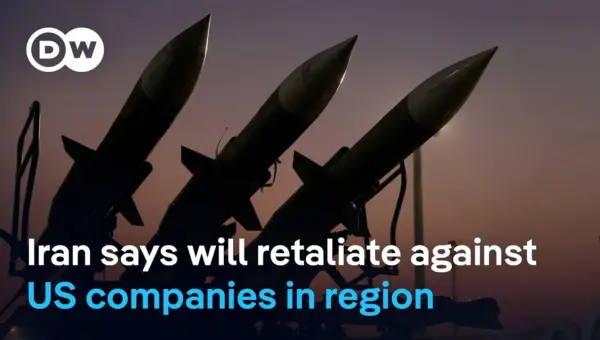
Iran's Revolutionary Guard has threatened to target U.S. companies in the Middle East as U.S. and Israeli forces launch new strikes. Defense Secretary Buttigieg believes Iran's window for retaliation is closing, though analysts warn its asymmetrical capabilities persist. Morale within Iran's military is reportedly plummeting amid escalating conflict.


Trump’s Allies Reject Mideast War Demands, Seek Distance
President Trump's allies are distancing themselves from a Middle East conflict, with Spain and Italy denying U.S. warplanes access. Trump is urging allies to act independently, while his administration's shifting war aims and contradictory policies fuel distrust.